


Follow us
Add us as a preferred source on Google
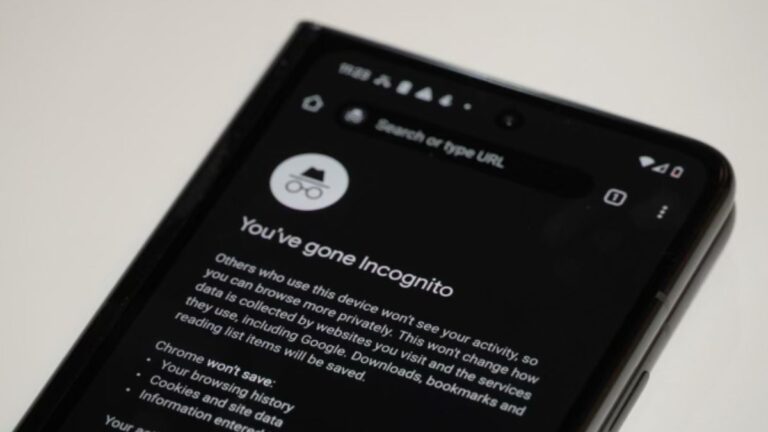
All things considered, Incognito Mode in Google Chrome is a useful feature; however, it’s not without fault. The company might be trying to solve a key security issue that users have had to endure.
Earlier today (Nov. 9), it was reported by Windows Report that Google was finally working on solving a security issue when browsing in Incognito Mode. The publication noticed a new Chromium commit, stating that it’s working on adding “Safe Browsing protections” for Incognito mode. Essentially, this would bring real-time protections to users while they’re browsing. This is no different from operating Chrome without Incognito active.
The publication pointed out something interesting: while Incognito mode doesn’t (currently) offer real-time protections, the browser will “fall back” on its knowledge of dangerous sites stored “locally.” But that’s as far as its protections go, and in this day and age, it’s not good enough.
Latest Videos FromAndroid Central
Additionally, while this is a good thing, the point of Incognito mode is to remain private in your browsing (many aspects don’t get logged in your browser). The publication notes that developers are staying aware of this. Developers are working to ensure that privacy-related details about your Incognito session don’t leave your device.
There’s much for Google to do; however, according to the Chromium commit, it looks like Incognito will benefit from Standard and Enhanced browsing protections—it’ll be the user’s choice.
Something to remember

As we’ve said before, Incognito Mode is supposed to be your gateway to more private browsing. But that wasn’t always the case. Google admitted to tracking users while they had the feature active. In 2024, Google settled a class-action lawsuit for $5 billion. The lawsuit alleged that the company “misled users” into thinking they were privately browsing, meaning tracking wasn’t involved.
Google’s disclaimer said that it wouldn’t save a user’s browsing data; however, others (ISPs and websites) could still see it. That disclaimer has since been updated. The company now states the browser isn’t tracking you, but Google still can. This didn’t sit well with users, as you’d imagine. Shortly after, Google said it would delete all of the data it captured about users who had Incognito mode active. This was part of the settlement.