


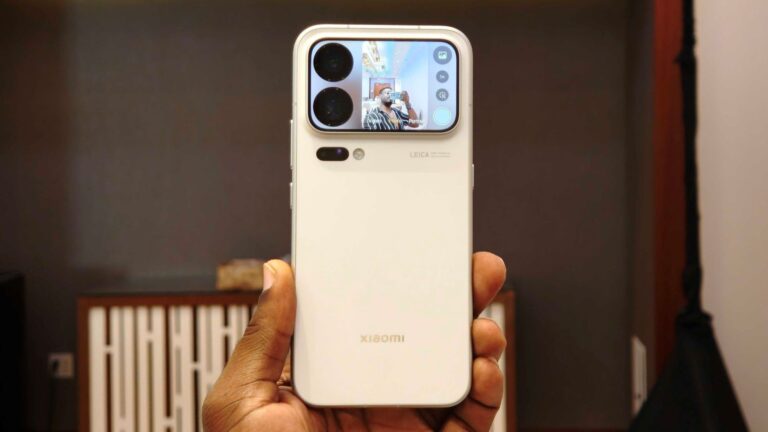
It’s not much of a surprise, but Xiaomi’s latest flagship is the first smartphone to hit the market featuring the Snapdragon 8 Elite Gen 6 series. The Xiaomi 18 Pro and 18 Pro Max have just dropped in China, but I got a quick hands-on with the devices at Snapdragon Summit after Qualcomm flew me out to check out the latest chips, devices, and innovations.
There’s a lot to like about these phones, from the powerful new chipsets to the rear display surrounding the cameras. But one of its most compelling features isn’t quite as obvious, and it both borrows from and improves on one of our favorite new Samsung features.
On the surface, the Xiaomi 18 Pro phones don’t look much different from their predecessors. The design is nearly identical to the Xiaomi 17 Pro series, from the thick, boxy design to the rear camera display. However, this also gives users outside China a chance to experience this unique smartphone feature, since last year’s model was exclusive to China.
Latest Videos FromAndroid Central
In hand, the Xiaomi 18 Pro and Pro Max are rather thick, but they’re surprisingly light despite this. It’s not much of a surprise, given the massive 7,000mAh and 8,500mAh silicon-carbon batteries in the 18 Pro and Pro Max, respectively. This is up to 1,000mAh more than the 17 Pro series.
Most of the colors are pretty standard, although the Galaxy Blue option has a rather unique design that’s honestly quite striking, especially in sunlight. There’s also a transparent option that gives both Nothing and Product(Red) vibes, and it’s probably the one I would buy.
The rear 2.7-inch display is interesting because it adds a bit more personality to the phone, with a selection of wallpapers to choose from. It also allows users to check notifications, toggle various features, and even take selfies. That last part is particularly compelling, as it lets you take advantage of the rear 200MP cameras to preview and capture high-quality selfies.
Xiaomi also says you’ll be able to utilize AI features using the rear display. I imagine adding these functions onto a smaller 120Hz panel can help with battery preservation, not that the Xiaomi 18 Pro needs it.
In many ways, it reminds me of the cover screen on flip phones like the Motorola Razr Ultra 2026. I mostly use my Razr while closed, utilizing the cover screen to open apps, respond to messages, and take selfies. However, for anyone not interested in foldables, the Xiaomi 18 Pro feels like a viable alternative, especially since you don’t have to deal with the compromises that come with having a flip phone (fewer cameras, less internal space for batteries, etc.).

(Image credit: Android Central)


But the rear display is hardly the coolest or most useful feature on the Xiaomi 18 Pro series. Following Samsung’s lead from the Galaxy S26 Ultra, Xiaomi equipped these phones with its own Privacy Display, which it claims is more effective than Samsung’s. This is due to the unique pixel arrangement of the display, allowing Xiaomi to utilize the feature without compromising on the display quality.
It’s also very customizable, going beyond just hiding apps or notifications and allowing users to hide split-screen apps or even floating apps. It’s quite compelling, and I’m glad to see this feature come to more Android smartphones.
#Xiaomi18ProSeries is going global this year—with more surprises.#XiaomiLaunch pic.twitter.com/5pDq9oR6OfSeptember 24, 2026
The Xiaomi 18 Pro series is available now in China, with a global launch happening later this year. Xiaomi hasn’t told me when the phones will come to global markets, but it’s very likely that North America won’t be part of the global expansion plans. Still, with the latest AI chip from Qualcomm, powerful Leica cameras, and two compelling displays, the Xiaomi 18 Pro series is definitely one to look out for when the global launch comes around.