When ICE Kills, We Cannot Look Away

July 17, 2026:

When ICE Kills, We Cannot Look Away

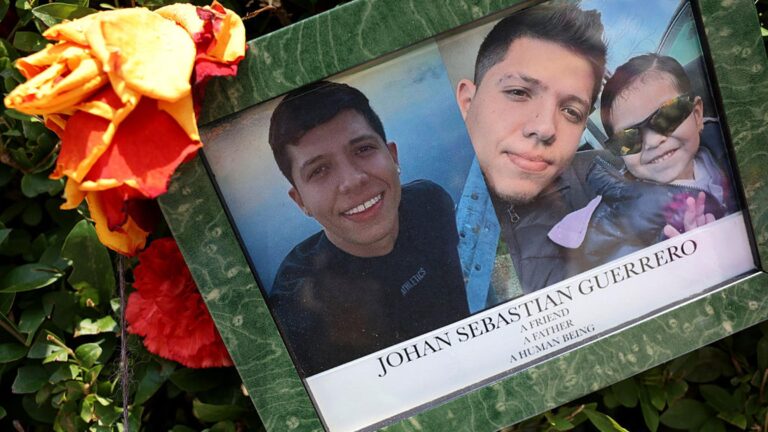
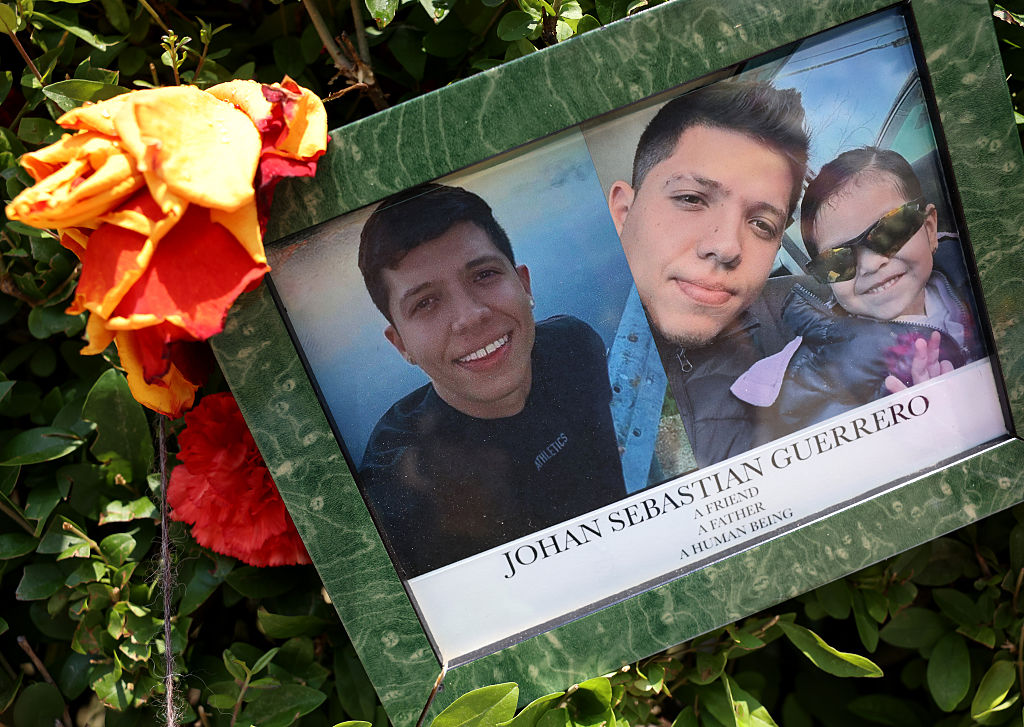
A memorial for Joan Sebastián Guerrero on July 16, 2026. —Jessica Rinaldi—The Boston Globe/Getty Images

After sustained outrage over the murders of Alex Pretti and Renee Good in Minneapolis forced a public reckoning with ICE, I hoped the worst was behind us. This month showed me I was wrong. 

Over the last week, the country has once again been witness to the deadly consequences ICE has repeatedly unleashed on our streets. This new wave is fueled by the tens of billions of dollars in new funding the agency received from a Congress that has failed to impose any restraints on ICE.

On July 7, an ICE officer shot and killed Lorenzo Salgado Araujo through the window of his van in Houston, Texas. Six days later, an officer shot Joan Sebastián Guerrero to death in his car on a quiet street in Biddeford, Maine. Two fathers. Killed in two consecutive weeks.  

In both instances, the agents were not wearing a body camera. And both times the government reached for a similar script alleging that the driver “weaponized” his vehicle. 

We are told to take that on faith. I don’t, and neither should you. 

Salgado Araujo built homes in this country he called home for more than 30 years. He was raising three sons, one already an engineer and one studying to become one. He was not even the person agents were looking for—none of the men in his van were. Those men—his brother and two coworkers—now may be the only surviving witnesses to what happened. According to representatives for their families, they have since been detained by ICE and have been pressured to sign paperwork that would allow their immediate deportation.  

The shooting of Salgado Araujo took place in Magnolia Park, Houston’s oldest Mexican American neighborhood. Local advocates say ICE frequently conducts early-morning operations in the neighborhood as people leave home for work. The targeted approach arguably reflects how ICE’s tactics have shifted under the leadership of Department of Homeland Security Secretary Markwayne Mullin. Since he took on the role, violent encounters in immigrant neighborhoods have continued, but Americans often only see and hear about them when someone dies.   

But we must not look away from the lives of Salgado Araujo and Guerrero. 

Guerrero was 25 years old. He immigrated to the U.S. from Colombia in search of a better future for his family. According to a joint statement by the Maine Immigrants’ Rights Coalition and Presente! Maine, he had a work permit and a Social Security number. He worked two jobs to support his wife and daughter. He, too, was not the man ICE was hunting the day they shot him dead.  

A neighbor watched from his window as agents pulled Guerrero from his car, bleeding, and reported that he told the agents, “I tried to stop.” Those may be the last words Guerrero ever spoke.  

Another neighbor heard the gunfire and ran outside to find Guerrero’s wife, screaming on her knees beside their 3-year-old daughter still in her Bluey pajamas. “I heard agony,” the neighbor said. “I heard a howl that came from your soul, that your whole life had just changed and it was never going to be the same.” I have not been able to stop hearing that. 

These killings are not isolated incidents.  

The New York Times reports that at least 22 people have been shot at by ICE agents since Trump returned to office. Five are dead—three of them U.S. citizens, including Good and Pretti. In Houston and Biddeford, agents weren’t wearing body cameras. In Minneapolis, they were—but the federal prosecutors did not release the footage for months before finally handing it to state investigators this week. 

The DHS has consistently denied accountability and controlled what the public gets to see, how, and when. But to be clear, DHS’s actions impact us all, and we must not look away. 

The Fourth Amendment protects every person on U.S. soil—citizen or not—from unreasonable seizure and unjustified deadly force. It is clear to me that ICE has threatened people’s constitutional rights, treating them as optional. 

What’s more, the agency appears to be accountable to no one but itself. In the rare instances that its leaders respond to public pressure, the purported changes have, time and again, failed to safeguard human dignity and life. 

Our collective power to hold ICE accountable starts with looking out for our neighbors and speaking out against injustice in our communities. But to institute lasting change, we must also demand action from our elected officials in positions of power. Outrage without a demand changes nothing. So here are ours: 

Every ICE officer in the field should wear a body camera, and footage of any shooting must be released within days—not buried behind an inspector general who answers to the same agency that pulled the trigger. ICE officers should be prohibited from wearing masks. Every ICE shooting should be investigated by an independent body with real subpoena power, and answerable to Congress, not to DHS. And qualified immunity—the shield that lets federal agents kill and walk away—has to end. 

Joan Sebastian Guerrero’s three-year-old daughter watched her father die in the street. Lorenzo Salgado Araujo’s brother sat beside him when he was shot. Two families needlessly lost the people they love to a rogue and violent agency.  

We owe them the truth. And we owe every family after them to keep fighting to uphold the constitutional protections this government has so far refused to provide. Now—before there is another name, another van, another street stained with blood that didn’t have to be spilled.

Source link