
What Collagen Supplements Can Really Do for Your Skin and Joints

June 8, 2026:

What Collagen Supplements Can Really Do for Your Skin and Joints

—Photo-Illustration by TIME (Source Image: Anna Blazhu—Getty Images)

Whether you’re interested in improving the tone and texture of your skin or warding off some of the effects of aging, you’ve probably heard the buzz about collagen supplements. But you may be wondering if these supplements are worth the hype. The answer, experts say, depends on the health issue.


In a meta-analysis published in a 2026 issue of Aesthetic Surgery Journal, researchers evaluated 113 randomized controlled trials, involving nearly 8,000 participants and collagen use for a wide array of conditions. They found that collagen supplementation had benefits for skin elasticity and hydration, musculoskeletal health, and osteoarthritis, while the findings were less convincing for oral health and cardiometabolic factors such as blood sugar, blood pressure, and cholesterol levels.


Here’s what to know about collagen and for which health concerns it might be most helpful.


What is collagen?


Collagen is the most abundant protein in the human body, and it provides structure, strength, and integrity to your skin, bones, muscles, tendons, and ligaments. Cells called fibroblasts produce collagen, but this productivity declines as you age—on the order of about 1% to 1.5% per year—which is one reason why wrinkles and facial lines become more apparent as people get older.


Other factors that can contribute to collagen degradation include sun damage, smoking, and alcohol consumption, says Dr. Melissa Mauskar, an associate professor of dermatology at the UT Southwestern Medical Center in Dallas. Menopause and autoimmune conditions such as rheumatoid arthritis and lupus can also accelerate collagen loss, according to the Arthritis Foundation.


You can get collagen from foods such as chicken, turkey, beef, pork, seafood, gelatin, and bone broth. But “most people don’t get enough collagen in their diets in the modern age,” says Dr. Doris Day, a clinical professor of dermatology at NYU and co-author of Rebooting the Biome: How Properly Caring For Your Skin Biome Can Do More For Your Health and Beauty Than Any Skincare Ingredient on the Market.


Can taking collagen supplements help your health?


It isn’t clear whether consuming collagen supplements actually increases collagen levels in your body. But it could even help indirectly. “Intact collagen does not survive digestion, but collagen peptides do, so by taking collagen you are providing your body [with] construction material to make new collagen,” explains Dr. David L. Katz, a preventive medicine specialist and past president of the American College of Lifestyle Medicine. How well your body is able to do that, he adds, depends on your overall health.    


“There’s no panacea,” Day says. “You need to combine collagen supplements with a healthy lifestyle.”


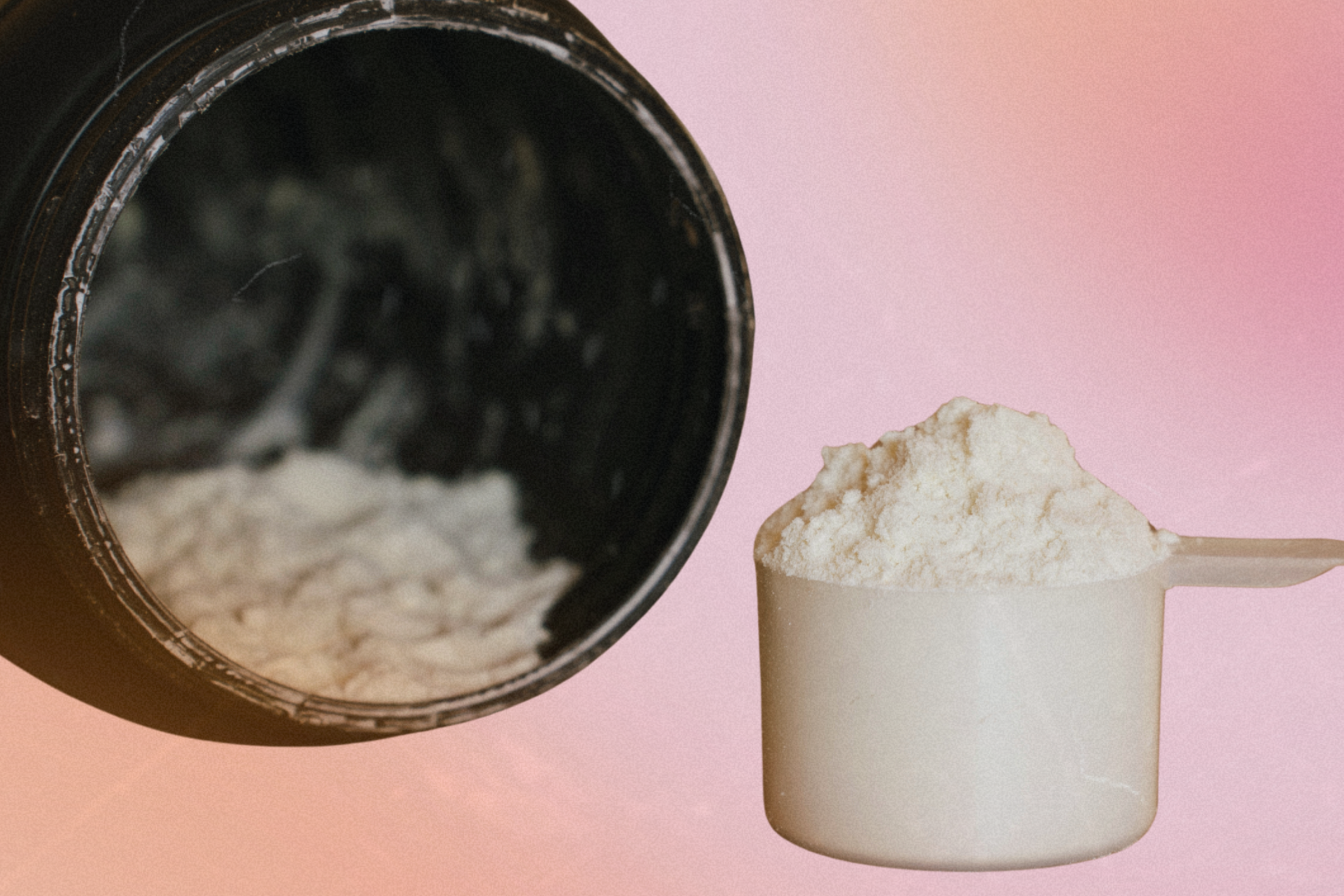
While research on the benefits of taking collagen supplements has yielded mixed results, there is some promising evidence for the supplements’ utility for age-related skin changes and some orthopedic conditions. A 2023 review of the medical literature found that taking hydrolyzed collagen supplements promotes decreased wrinkle formation, increased skin elasticity and hydration, and increased collagen content and density in the skin. (Hydrolyzed collagen supplements, which often come in powder form, are easier for the body to absorb and use.)


If you want to try taking collagen supplements for the benefit of your skin, types I and III are best, according to Katz, who recommends going with 2.5 to 10 g per day. “Stay hydrated, because it’s a big protein,” says Day.


When it comes to joint benefits, such as reducing joint pain, 40 mg per day of undenatured type II collagen may be better, says Dr. Amy West, a specialist in sports medicine and physical medicine and rehabilitation at Northwell Orthopedics in New York. (Undenatured collagen is usually derived from chicken breastbone cartilage, and it retains its triple helix structure because it hasn’t been broken down or exposed to heat, acids, or enzymes.)


“Arthritis pain is partly due to wearing down of cartilage or degradation in the quality of cartilage,” explains West. 

The idea that taking collagen supplements can stimulate collagen production in the body, as well as repair mechanisms for cartilage, hasn’t been proven, she emphasizes. Nevertheless, it could help with joint pain. A study in a 2023 issue of the Journal of the International Society of Sports Nutrition found that active adults who took a daily dose of 10 to 20 g of collagen peptide supplements experienced improvements in their joint pain and functionality, along with their mood, after six to nine months. (The manufacturer of the supplements funded the study.)


“Collagen is not a cure by any means,” says Katz. “But it can help slow progression of osteoarthritis and help preserve good joint function over time.”


Another company-funded study found that taking 5 g per day of collagen supplements can improve bone mineral density in postmenopausal women. The meta-analysis in the Aesthetic Surgery Journal also found that collagen supplementation improved muscle architecture and led to a modest gain in muscle strength. “Collagen is not a strength-building compound per se,” says Katz. “Rather, collagen can help improve the integrity of cartilage, tendons, and ligaments, so in combination with conditioning exercise, this can improve strength and performance.” 


If you’re interested in taking collagen supplements for the benefit of your skin, joints, bones, or muscles, experts recommend talking to your doctor. Often, there’s little harm in trying them for a few months to see if they help, Day says. But be patient, because changes won’t occur overnight. “Consistency is key,” Day adds. “It can take months to see the effects.” 

Source link