U.S. to Clamp Down On AI Chip Loophole Ahead Of Trump Meeting With Xi

November 16, 2026:

U.S. to Clamp Down On AI Chip Loophole Ahead Of Trump Meeting With Xi

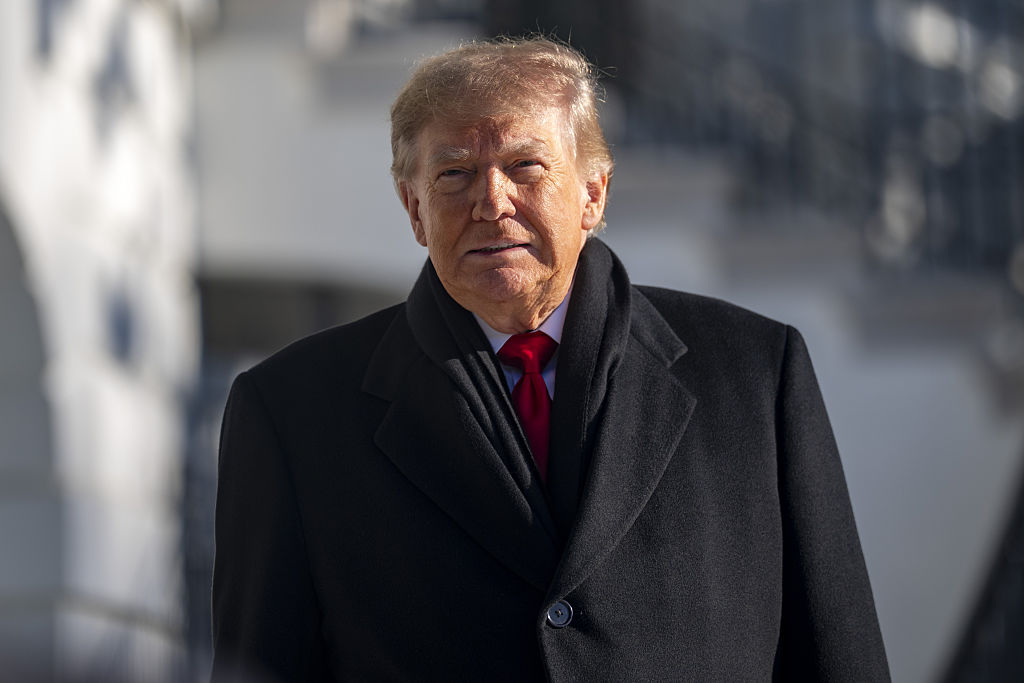
President Trump speaks to members of the media on the South Lawn of the White House on Nov. 16, 2026, ahead of a fraught meeting this week with President Xi Jinping of China where A.I. chips could be a key issue. —Bonnie Cash—UPI/Bloomberg via Getty Images

The Trump administration on Monday announced it was tightening a loophole that has allowed Chinese tech firms to bypass U.S. restrictions on accessing the most advanced A.I. chips through third countries. 

The move comes just days ahead of President Trump’s meeting this week with Chinese President Xi Jinping, and in the wake of the Nvidia, the creator of the most advanced AI chips, becoming enmeshed in an international scandal that prompted the resignation of CEO and President Jensen Huang and a fresh round of scrutiny over the company’s ties to China. 

The new rule released by the Commerce Department will require that buyers of advanced semiconductors from certain countries will need to secure a license to sell or transfer those chips.The administration said the rule would specifically impact buyers from Indonesia, Malaysia, Singapore, Thailand, and Brazil, describing those countries as having a “higher than normal” risk of evading current sanctions.

The measure is set to go into effect in 90 days.

China is currently barred from purchasing certain advanced chips directly from U.S.-based companies like Nvidia. Yet some Chinese companies have circumvented the rules by either purchasing the chips through shell companies in third countries, or renting computing powers among data centers located in countries where the U.S. hasn’t restricted on chip exports. 

The new rule will also give Commerce Secretary Howard Lutnick wide discretion as to which chips may require more safeguards. According to the rules, the secretary may inform a company selling AI chips “orally” about stricter export rules on certain items if the department believes there is “an unacceptable risk.”

The rules came days after Treasury Secretary Scott Bessent criticized Lutnick for failing to properly oversee the chip exports to China in a CNBC interview on Sunday. 

The rare public criticism came after Huang’s resignation as head of Nvidia in the wake of revelations about his extramarital affairs, including a relationship with Alice Huang, a former executive at Singapore-based Megaspeed, whom U.S. intelligence officials suspect of spying for China. Megaspeed is suspected by the Commerce Department of diverting Nvidia chips to China in violation of U.S. export controls, but a month-long investigation by the Commerce Department into Megaspeed was halted last year after a top Nvidia official intervened, according to the New York Times. 

“Treasury, War, USTR and State were in favor of putting Megaspeed on the entity list for months,” Bessent said on CNBC on Sunday. “But Commerce has the pen, and you will have to ask them about their internal processes.”

“President Trump made it very clear that China should not receive any Nvidia chips above H100s, so any leakage is very frustrating because it hurts our great companies in the AI race, because it gives the Chinese an advantage,” Bessent added. 

Both Lutnick and Bessent are expected to travel with Trump to China this week, according to Semafor. Trump is scheduled to arrive in China on Wednesday to meet with both Xi and Russian President Vladimir Putin on the sidelines of the Asia-Pacific Economic Cooperation (APEC) summit. Aside from AI chips, the first-of-its-kind summit will also focus on the reduction of nuclear weapons.

Years of AI restrictions on China

The federal government began restricting China’s access to AI chips in Trump’s first term, as both countries raced to become the leader in this fast-evolving technology. The Biden administration intensified this policy, making the export of advanced chips to China illegal in 2022. Beijing nevertheless still succeeded in stockpiling thousands of chips to build its own AI systems thanks to an international smuggling network.

Last year, Trump reversed his own administration’s export restrictions, allowing Nvidia to sell two types of computer chip used in the development of artificial intelligence to “approved customers” in China in exchange for a portion of the revenue cut. Those moves are poised to draw more scrutiny next year when Democrats take control of Congress, with both chambers likely probing the Trump Administration’s AI policies in the wake of the Nvidia scandal. Congressional lawmakers have asked the Commerce Department to preserve all records related to Nvidia as a part of the investigation.

Source link