Tick Bites Are Causing Red-Meat Allergies. What to Know About Alpha-Gal Syndrome

July 23, 2026:

Tick Bites Are Causing Red-Meat Allergies. What to Know About Alpha-Gal Syndrome

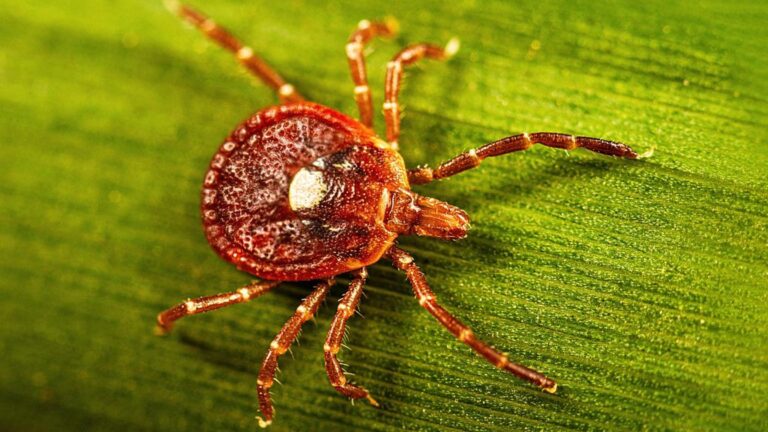
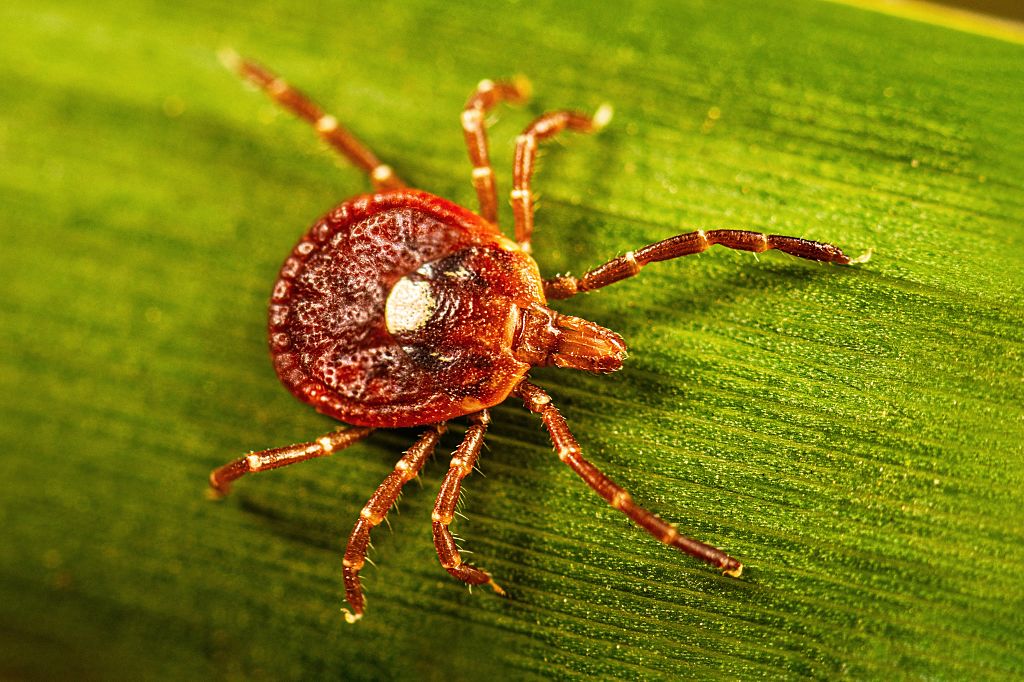
An adult female lone star tick (Amblyomma americanum) crawls on a blade of grass. Image courtesy CDC. (Photo by Smith Collection/Gado/Getty Images)

Doctors in the U.S. are hearing an odd complaint from their patients more frequently: lifelong meat eaters are suddenly breaking out into hives, getting bad stomach pains, and are sometimes vomiting or having diarrhea after eating red meat.

The symptoms are typical of alpha-gal syndrome, a strange tick-borne illness first identified in the 2000s that induces an allergy to a specific type of sugar found in red meat. Most mammals (but not humans) have cells that contain the sugar, so it’s found in beef, lamb, and pork—all popular protein sources in the human diet.

Nearly 500,000 Americans are living with alpha-gal syndrome, according to estimates from the U.S. Centers for Disease Control and Prevention. Researchers from Virginia Commonwealth University reported in 2025 that from 2013 to 2024, the number of positive tests for the alpha-gal antibody in people’s blood increased 100-fold, suggesting that more people have developed immune reactions to alpha gal, and are therefore allergic to it. In May, the U.S. Department of Health and Human Services (HHS) announced several initiatives against tick-borne diseases, including new research funding for alpha-gal syndrome.

Here’s what to know about alpha-gal syndrome.

How do ticks cause alpha-gal syndrome?

In the U.S., the condition most commonly starts with a bite from a lone star tick, and less often from bites from a blacklegged tick or western blacklegged tick. When a tick bites a human, it releases viruses or bacteria (like the one that causes Lyme disease) as well as its saliva, which contains compounds to thin the blood and numb the bite area. It also contains alpha gal, which causes problems for some when it’s released into their blood. “The tick is injecting alpha gal directly from its saliva into the blood, and the [human] body is not used to seeing alpha gal in this way,” says Dr. Bobbi Pritt, chair of clinical microbiology at the Mayo Clinic.

Since the sugar is not normally found in blood, some people’s immune systems recognize it as foreign and mount a vigorous defense to eliminate it by producing antibodies to alpha gal. Those antibodies are generally relatively harmless, cruising through the blood looking out for any alpha gal it may encounter. When people eat red meat, however, some of the alpha gal in the digested meat can be absorbed into the bloodstream, where the antibodies go to work.

In some people, this causes an allergic reaction. If the reaction escalates, it can lead to anaphylactic shock and even death.

Can eating any type of meat trigger alpha-gal syndrome?

Most mammals—but not humans—contain alpha gal, so someone with alpha-gal syndrome will likely have an allergic reaction to consuming meat from cows, pigs, lambs, goats, and deer. Even among these meats, some organ cuts like the liver, kidneys, sweetbreads, and intestines might be more likely to trigger an allergic reaction since they contain higher levels of alpha gal, according to the CDC.

What are the symptoms of alpha-gal syndrome?

The symptoms can vary, says Pritt, and they generally get worse every time you eat red meat. If you develop alpha-gal syndrome, the first time you eat a steak or burger after being bitten by a tick, you might get symptoms that are on the milder side, like a rash, itching, hives, or flushing several days later. Some people might experience swelling in the eyes and lips, she says. Others may get intestinal symptoms such as diarrhea, vomiting, or nausea.

For those who might be severely allergic, or for people with the allergy who continue to consume red meat, symptoms could intensify to include difficulty breathing, wheezing, or even anaphylactic shock. Because a severe allergic reaction is so dangerous, Pritt says, “you don’t want to face alpha-gal syndrome alone. There is the potential, especially after repeated exposure, of having a severe, life-threatening allergic reaction.”

Is alpha gal only found in red meat?

There may be hidden sources of alpha gal in products that rely on animal components. Dr. Mario Rodenas, associate professor of allergy and immunology at Yale University, says the syndrome can also occur among cancer patients taking the chemotherapy drug cetuximab, which includes a component made from mouse cells that contain alpha gal. Doctors first made the connection between tick bites and severe allergic reactions to the cancer drug in 2008, when they learned that cancer patients with higher levels of certain immune cells made them more sensitive to the alpha gal in the medication, and that their more sensitive immune systems were triggered by tick bites.

Pritt says other animal-based products, like dairy, butter, milk, lard and bone broth, may also contain alpha gal and could trigger an allergic reaction among people with the syndrome. Gelatin-containing products could also be a potential catalyst if they are made from animal products.

Can you eventually “grow out of” alpha-gal allergies, like you can other food allergies?

“Yes, that’s a bit of bright news in the picture,” says Pritt: Alpha-gal syndrome is not always permanent. But experts still don’t know enough about the syndrome and how it changes the body’s immune system to know for certain when and how people might be able to safely eat meat once they’ve developed the allergy.

That’s why it’s important to protect yourself from tick bites—especially if you’ve already been bitten in the past by a tick, since you won’t always know which type of tick you encountered. “We learned that if you get frequent tick exposures, once you develop this [syndrome], if you get another tick exposure, it can bump up or increase the concentration of allergic antibodies against alpha gal,” says Rodenas. “So you’re perpetuating the problem. Some people have outgrown this because they avoided further tick bites. But we have to follow people [for longer] since we haven’t been able to so far, because the disease is so young.”

Why are more people developing alpha-gal syndrome now?

A few factors could explain why alpha-gal syndrome appears to be on the rise. First, increased awareness of the connection between tick bites and alpha-gal syndrome means more doctors are reporting it, and more people are asking their health care professionals about the condition.

Second, the expanding habitat of ticks could be leading to more bites and consequently more cases of the allergy. Warmer climates mean the tick primarily responsible, the lone star tick, has spread from the southern U.S. all the way through New England in the Northeast.

Rodenas is studying the factors that might contribute to someone developing alpha-gal syndrome. “We really don’t know what these patients look like,” he says. “We want to characterize what these patients’ comorbidities or other medical problems are, to try to better define who is a higher risk of developing this—is it younger people or older people? Men, women, or children?” He is including medical data in people’s health records extending back 12 years to detect patterns among those who develop the allergy.

Why don’t people develop alpha-gal syndrome simply from eating red meat?

The difference between being exposed to alpha-gal syndrome from eating red meat and from a tick bite has to do with where the alpha gal enters the body. When people eat red meat, most of the alpha gal is digested in the stomach and small intestine, with very little being absorbed into the blood. And any alpha gal that is absorbed after digestion will be in a different, already digested form, while the original version comes from tick saliva, says Pritt. With a tick bite, all of the carbohydrate is injected directly into the blood, where immune cells are on constant watch for anything unusual. In the blood, alpha gal triggers an immune response, while it generally doesn’t in the digestive tract.

Why do some people develop alpha-gal syndrome after a tick bite while others who get bitten don’t?

As with any allergy, alpha-gal syndrome occurs against the backdrop of a person’s existing immune reactions, and people have different sensitivities to various compounds. Tick saliva also contains a number of other immune-affecting compounds that can modify the immune system, says Pritt. Some people might be more prone to activating an immune component known as IgE, for example, which tends to stimulate other immune mechanisms involved in an allergic reaction. So those who already have higher levels of IgE patrolling the blood might be prone to developing alpha-gal syndrome than those with lower amounts.

Source link