November 6, 2026:


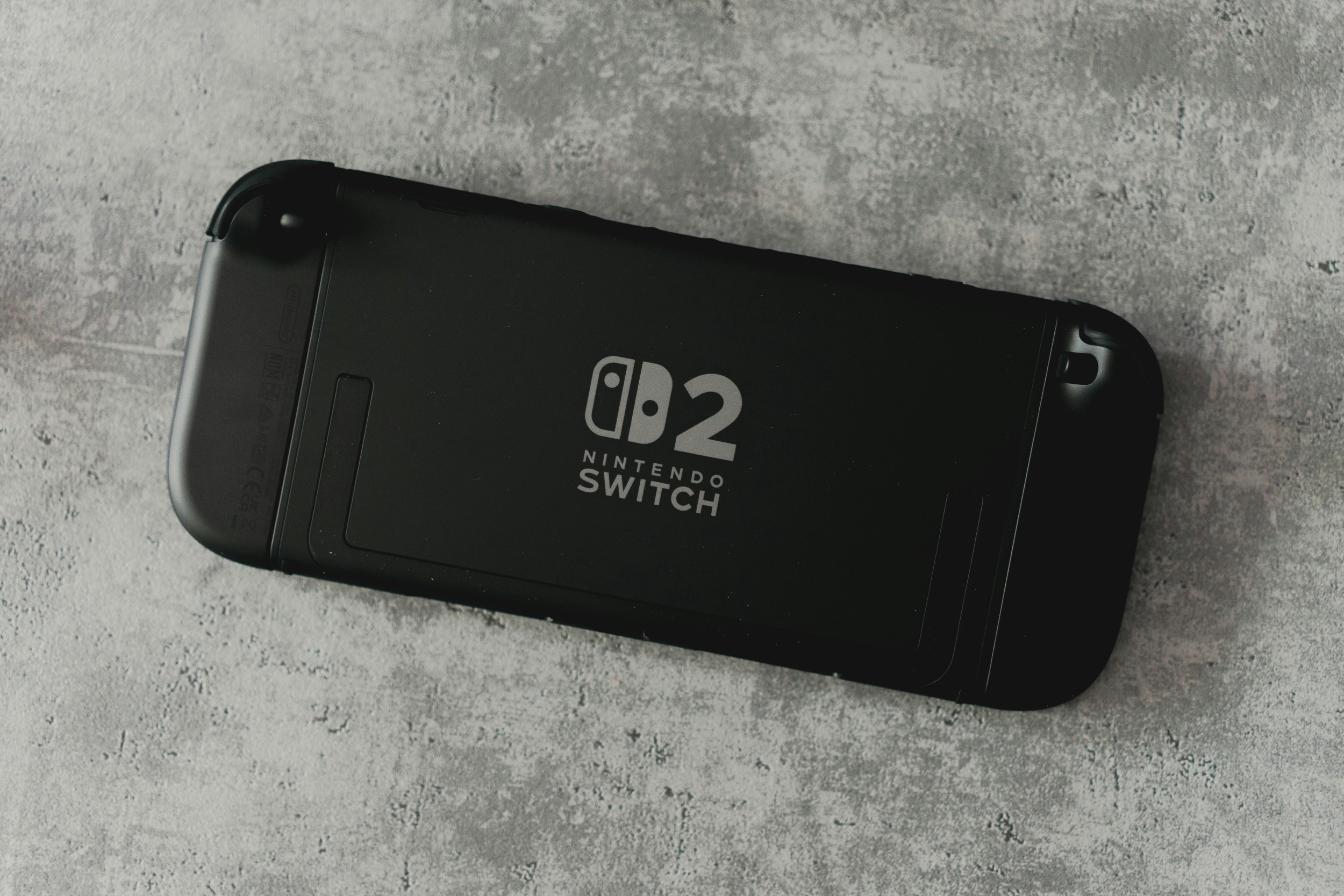
Nintendo President Shuntaro Furukawa drew a firm line on Wednesday, telling investors the company is not considering additional changes to the Switch 2’s retail price — a pledge that arrives just two months after a $50 hike sent quarterly hardware sales into a steep decline.
The reassurance matters. The September 1 price increase — the first in the Switch 2’s brief history — triggered a 41% year-over-year drop in hardware sales, with the console moving only 2.67 million units in the three months ended September 30, 2026. Consumers heading into the holiday season needed confirmation that the $499.99 price tag would hold.
When Nintendo confirmed the Switch 2 price revision back in May 2026, the rationale was blunt: global memory costs had spiked, driven largely by surging AI chip demand competing directly with the same DRAM components that power the console. Furukawa pointed to memory costs, exchange rates, and energy prices as the combined pressure behind the decision. The new $499.99 price took effect on September 1 — an 11.1% increase — with rivals Sony and Microsoft also implementing their own hardware price adjustments during the same period.
The sales reaction was swift and measurable. The 2.67 million units Nintendo moved in the quarter ending September 30 represented a sharp fall both from the year-ago period and from the 3.82 million units sold in the preceding quarter. While Furukawa stopped short of drawing a straight line between the price change and the decline — noting that multiple factors shape any given quarter — the timing made the relationship impossible to dismiss.
At Wednesday’s briefing, Furukawa addressed the concern head-on. Nintendo, he explained, has secured sufficient memory quantities through long-term supplier agreements to meet its full-year production forecast without passing further cost increases to consumers. The memory market, he acknowledged, has not fundamentally reversed — the AI-driven scarcity that forced the September hike remains in place — but the company’s supply chain commitments have stabilized its component pipeline enough to hold the retail price steady.
For any household eyeing the Switch 2 this holiday season, that statement from Nintendo’s top executive provides direct confirmation: the $499.99 ceiling is not moving before they can buy.
Despite the quarterly stumble, the broader Switch 2 trajectory remains formidable. The console has now reached 26.35 million lifetime units sold, a figure that exceeds where the original Switch stood at the same point in its lifecycle. Nintendo’s debut fiscal year for the Switch 2 — 19.86 million units — already outpaced the original Switch by roughly 32%. By the time August 2026 Q1 results were reported, the console had surpassed 23.68 million units, a pace that only the original Wii had come close to matching in Nintendo’s hardware history.
Software continues to amplify the platform’s footprint. Mario Kart World has moved over 14.7 million copies, while the full Switch 2 software catalog has now surpassed 73.21 million units sold — a volume that generates recurring revenue well beyond hardware margins.
Furukawa’s pricing assurance arrives against a more complicated earnings backdrop. Nintendo’s second-quarter operating profit fell 16% to ¥73.9 billion, missing analyst expectations as a dearth of major software releases compounded the hardware slowdown. That quarterly miss, however, sits inside a first-half picture that looks considerably healthier: Nintendo’s six-month operating profit rose 49.1% to ¥216.5 billion, boosted by digital sales growth of 60.5%, strong software attach rates, and a first-quarter refund of previously paid U.S. tariffs.
The company entered the second half of its fiscal year projecting a total of 16.5 million Switch 2 units sold by March 2027 — a forecast that implicitly depends on consumer confidence at the $499.99 price point holding through the critical holiday window. For now, Furukawa’s statement closes the door on a second hike. Whether the 41% quarterly drop represents a temporary correction tied to the price change, or the beginning of a more lasting softening, will come into sharper focus when Nintendo reports its next results in early February.