Rocket Lab to Launch New Synspective Strix Satellite for Japan’s Growing Radar Network

November 27, 2026:

Rocket Lab to Launch New Synspective Strix Satellite for Japan’s Growing Radar Network

Rocket Lab is set to launch another satellite for Japanese Earth-observation company Synspective, adding to a growing constellation designed to monitor the Earth’s surface using advanced radar imaging technology.

The mission, named “Night Owls Never Sleep,” highlights the expanding partnership between the two companies and Japan’s continued investment in space-based observation capabilities.

The launch is scheduled aboard Rocket Lab’s Electron rocket from its launch facility in New Zealand. The launch window opens at 7:00 p.m. Eastern Time on November 26, 2026, corresponding to 12:00 midnight GMT on November 27 and 1:00 p.m. local time in New Zealand. For viewers in the Philippines, the scheduled opening is 8:00 a.m. on November 27.

Rocket Lab plans to provide a live broadcast of the mission approximately 30 minutes before liftoff. The company will stream the launch through its official channels, with Space.com also expected to carry the broadcast.

Rocket Lab’s Electron Rocket Carries Another Strix Satellite

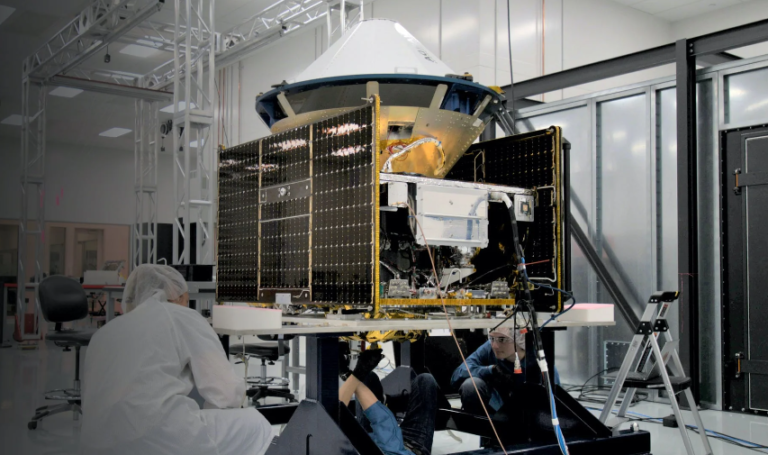
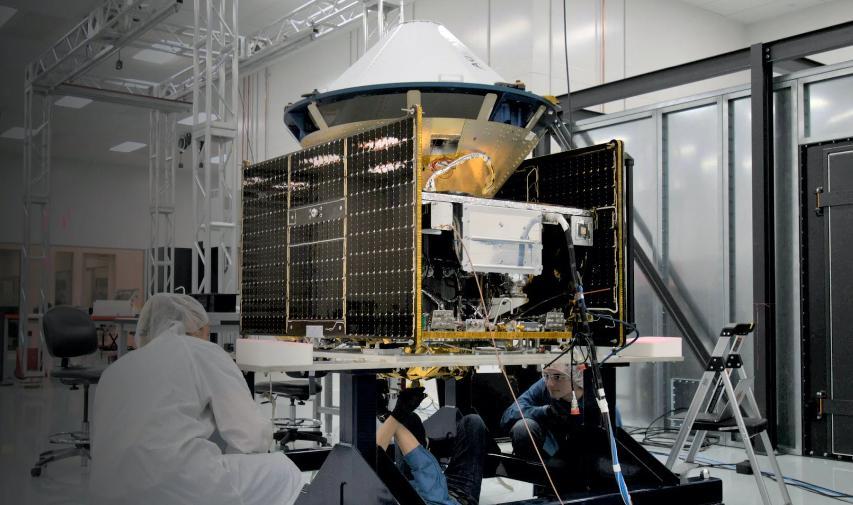
The upcoming flight will carry a Strix satellite developed for Synspective, a Tokyo-based company specializing in satellite-based Earth observation and geospatial data services.

Strix satellites are equipped with synthetic aperture radar (SAR), an imaging technology that allows spacecraft to capture detailed information about the Earth’s surface using radio waves. Unlike conventional optical satellites, which depend on reflected sunlight and relatively clear skies, SAR-equipped spacecraft can collect images during both daytime and nighttime operations.

The technology also allows radar signals to penetrate cloud cover, making it particularly useful for monitoring areas affected by persistent cloud formations, severe weather, and other environmental conditions.

This capability gives Synspective an advantage in collecting consistent Earth-observation data. Satellite imagery gathered through SAR can support applications such as infrastructure monitoring, disaster assessment, urban development analysis, and environmental observation.

For the latest mission, Rocket Lab’s Electron rocket will transport the spacecraft into space before its kick stage deploys the satellite into low Earth orbit. The planned deployment altitude is approximately 569 kilometers, or 353.6 miles, above Earth’s surface.

The orbital placement will allow the newly launched Strix satellite to become another operational component of Synspective’s expanding Earth-observation network.

Synspective’s Growing Strix Satellite Constellation

Synspective is developing a constellation of Strix satellites to provide frequent and reliable observations of locations around the world. Its long-term objective is to establish a network capable of capturing images of any location on Earth at intervals of only a few hours.

Frequent satellite observations can make a significant difference in industries that depend on updated information about ground conditions. Natural disasters, infrastructure changes, land movement, and urban expansion can develop rapidly, creating demand for timely and accurate monitoring.

A larger constellation of SAR satellites could help address this demand by increasing the frequency of observations and expanding the geographical coverage available to customers.

For instance, radar imaging can help identify changes in land surfaces that may indicate ground displacement or infrastructure deterioration. It can also provide valuable information following earthquakes, flooding, and other natural disasters, particularly when conventional satellite imagery is limited by cloud cover.

The Strix constellation is therefore part of a broader shift toward using commercial satellite networks to deliver practical Earth-observation data. As more spacecraft become operational, Synspective aims to improve the availability and frequency of its imaging services.

Rocket Lab Secures 20 Additional Electron Launches

The launch will mark Rocket Lab’s 14th Electron mission for the Japanese company. However, the partnership is expected to extend well beyond the current flight.

At the end of September 2026, Rocket Lab announced a new agreement with Synspective covering 20 additional Electron launches between 2028 and 2031.

The agreement represents the largest commercial launch contract in Electron’s history. Following the announcement, Synspective’s total number of contracted Electron missions reached 47.

This long-term arrangement provides Synspective with additional launch opportunities as it continues deploying spacecraft for its planned constellation. It also gives Rocket Lab a substantial pipeline of commercial missions extending into the next decade.

For satellite operators, securing launch capacity is an important part of maintaining a consistent deployment schedule. The availability of dedicated launch services can help companies coordinate spacecraft production, orbital deployment, and the expansion of their satellite networks.

Rocket Lab’s continued work with Synspective demonstrates the role of commercial launch providers in supporting the development of privately operated satellite constellations.

Rocket Lab Approaches Its 101st Mission

According to Space.com, the “Night Owls Never Sleep” flight will be Rocket Lab’s 101st mission to date, marking another milestone for the aerospace company and its launch operations.

Of its previous 100 missions, 92 were orbital flights conducted using Electron. The remaining nine involved HASTE, a suborbital version of the Electron rocket designed for specialized testing and technology demonstration.

HASTE, which stands for Hypersonic Accelerator Suborbital Test Electron, provides customers with access to a hypersonic flight environment. This allows researchers and organizations to test sensors, equipment, and other technologies under conditions that are difficult to reproduce in conventional ground-based facilities.

While Electron primarily serves customers seeking to deploy small satellites into orbit, HASTE addresses a different market by supporting experimental and defense-related testing requirements.

The company’s continued launch activity also highlights the increasing demand for dedicated small-satellite launch services.

What the Synspective Mission Means for Earth Observation

The growing partnership between Rocket Lab and Synspective illustrates how commercial space companies are contributing to the development of more accessible Earth-observation capabilities.

For Synspective, every successful satellite deployment brings its planned Strix constellation closer to providing more frequent coverage of the planet. A larger network could improve the availability of radar imagery for organizations that need updated information about changes on the Earth’s surface.

SAR technology is particularly relevant in regions where weather conditions make conventional satellite imaging difficult. Its ability to operate regardless of daylight and cloud cover makes it a valuable tool for disaster response, infrastructure assessment, and environmental monitoring.

Meanwhile, Rocket Lab’s expanding launch agreement with Synspective demonstrates the growing importance of commercial launch partnerships in the small-satellite industry.

As the November mission approaches, attention will be on the Electron rocket’s performance and the planned deployment of the latest Strix spacecraft into low Earth orbit. The flight represents another step in Synspective’s effort to build a global radar-imaging constellation and another milestone in Rocket Lab’s growing launch record.


Frequently Asked Questions

What is the Rocket Lab “Night Owls Never Sleep” mission?

“Night Owls Never Sleep” is an Electron rocket mission carrying a Strix radar-imaging satellite for Synspective, a Japanese Earth-observation company. It is part of the companies’ ongoing partnership to expand Synspective’s satellite constellation.

What time is the Rocket Lab launch on November 27, 2026?

The launch window opens at 7:00 p.m. Eastern Time on November 26, equivalent to 12:00 midnight GMT and 1:00 p.m. in New Zealand on November 27. In the Philippines, the scheduled opening is 8:00 a.m. on November 27.

What is a Strix satellite?

Strix is a series of Earth-observation satellites developed by Synspective. Each spacecraft uses synthetic aperture radar technology to capture detailed images of the Earth’s surface, including during nighttime and through cloud cover.

What is synthetic aperture radar (SAR)?

Synthetic aperture radar is a remote-sensing technology that uses radio waves to generate images of the Earth’s surface. It can operate independently of sunlight and is less affected by cloud cover than conventional optical imaging systems.

How many times has Rocket Lab launched for Synspective?

The November 2026 mission is Rocket Lab’s 14th Electron launch for Synspective. The companies have also agreed to 20 additional launches between 2028 and 2031, bringing Synspective’s total contracted Electron missions to 47.

How high will the Strix satellite orbit above Earth?

The satellite is scheduled for deployment into low Earth orbit at approximately 569 kilometers, or 353.6 miles, above the planet.

How can viewers watch the Rocket Lab launch live?

Rocket Lab plans to broadcast the mission through its official streaming channels, beginning approximately 30 minutes before liftoff. Space.com is also expected to carry the company’s live coverage.

Source link