Leqembi Home Injection Launches in Japan: Pen Priced Under Half US List Price

November 14, 2026:

Leqembi Home Injection Launches in Japan: Pen Priced Under Half US List Price
Leqembi Home Injection
Leqembi.com

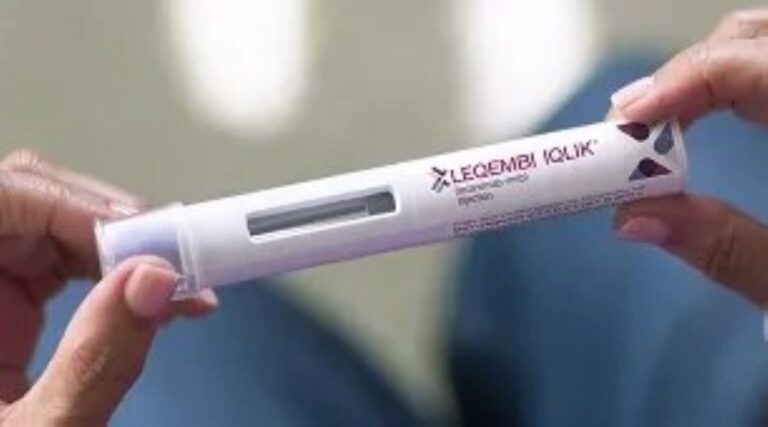
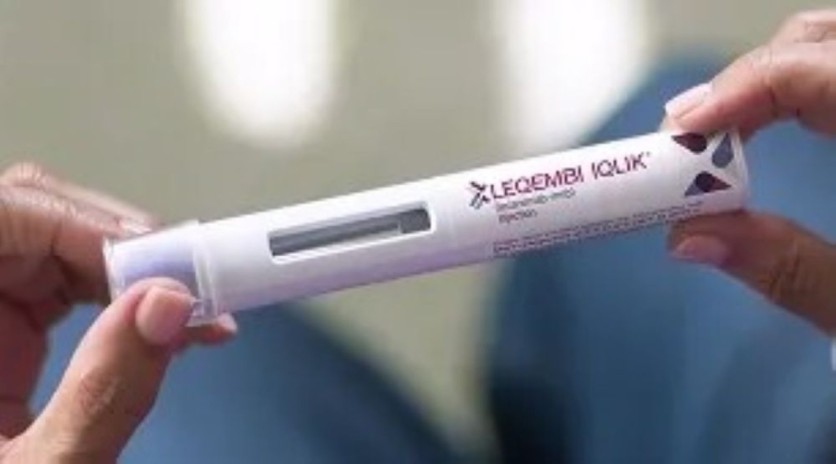
Eisai announced Friday that its at-home Leqembi pen (lecanemab) is now on sale in Japan, at a National Health Insurance (NHI) price of ¥54,282 (approximately $339 USD) per weekly dose, about 44% of the $770 US list price for the same 500 mg weekly regimen. The discount comes with a caveat that matters to patients and caregivers: regulators approved the weekly injection by matching drug levels in the blood, not by testing whether it slows decline as well as infusions do.

Japan is the second country to launch the subcutaneous form after the United States, and the companies describe the pen as the only anti-amyloid treatment in Japan that patients can take at home. Intravenous (IV) lecanemab remains available, so Japanese patients and physicians now choose between the two routes for early Alzheimer’s disease.

Japan Lists Pen at About $339 Weekly, Under Half US List Price of $770

Japan’s Central Social Insurance Medical Council (Chuikyo) approved the listing on Nov. 6, the NHI listing took effect Nov. 13, and trade press reports an NHI price of ¥27,141 (approximately $170 USD) per 250 mg kit. The approved dose is two kits per week, which comes to ¥54,282 (approximately $339 USD) weekly and roughly ¥2.82 million (approximately $17,651 USD) over 52 weeks, before patient cost-sharing. That annual figure is TechTimes arithmetic.

In the United States, the list price is $385 per autoinjector, or $770 per weekly dose and $40,040 a year by TechTimes arithmetic. US IV lecanemab was set at an annual list price of $26,500 at its January 2023 launch, so the US subcutaneous regimen costs roughly 1.5 times that IV launch price in the first year. Japan’s gap between routes is much narrower. Reuters reported that Japan priced IV lecanemab at about ¥2.98 million a year (approximately $18,635 USD) at its December 2023 launch, which was higher than the pen’s annual cost. Japan has since set a 15% cut to the IV price under its cost-effectiveness review, which TechTimes calculates at about ¥2.53 million (approximately $15,840 USD) a year if the full cut applies. That would put the pen roughly 11% above post-cut IV.

The comparison has limits. The NHI price is a government-set reimbursement price, while the US figure is a list price before rebates and discounts, so neither equals what a patient or insurer pays. Eisai forecasts peak sales of ¥55.5 billion (approximately $347 million USD) a year in Japan, a figure that shows how much volume the home-dosing option is expected to add.

How Does Subcutaneous Lecanemab Match IV Exposure at 500 mg Weekly?

Eisai says the weekly dose is two pens, together delivering 500 mg once a week. In the United States, the same regimen uses two 250 mg injections, about 15 seconds each, according to PharmaTimes. The subcutaneous formulation is 200 mg/mL versus 100 mg/mL for the IV product, which is what lets a full dose fit in a small pen.

Absorption is the engineering tradeoff. The FDA label puts absolute bioavailability at about 77.5% for 500 mg given under the skin, and the half-life at 5 to 7 days. Because part of each subcutaneous dose never reaches the bloodstream, matching exposure takes more drug. The IV regimen is 10 mg per kilogram (4.5 mg per pound) every two weeks. Eisai and Biogen reported an exposure ratio of 104% for 500 mg weekly by injection versus IV, meaning total drug exposure over time (area under the curve) of 104% of the IV regimen, with a 90% confidence interval of 99.1% to 109%.

For a 70 kg (154 lb) patient, IV dosing is 700 mg per 14 days, while the pen administers 1,000 mg over the same period. That is about 43% more antibody injected, by TechTimes arithmetic from the label doses, which compensates for incomplete absorption. Peak concentration also differs: in an earlier vial study, the single-dose subcutaneous peak in healthy adults was about 23% of the IV peak, a result that applied to that vial formulation rather than the pen.

Approval Rests on Exposure Matching, Not Efficacy Trial

The Japanese release cites no new efficacy trial. Eisai and Biogen pointed to integrated Clarity AD modeling from the 18-month core phase of the Phase 3 study, plus subcutaneous sub-studies in the long-term extension. In those analyses, 500 mg weekly by injection produced exposure similar to IV dosing every two weeks, and the companies say that supports efficacy comparable to IV.

Japan’s review followed that path. The Pharmaceuticals and Medical Devices Agency (PMDA) issued its review report dated Aug. 5, its First Drug Committee met Aug. 26, and the health ministry approved it Sept. 16, with a condition to formulate and implement a risk management plan. Systemic injection or infusion-related reactions were less frequent with the subcutaneous route, with systemic reactions at 1.4% in patients newly started on it, but a footnote shows that figure came from the 720 mg weekly vial formulation, not the pen. In the United States, PharmaTimes reported systemic reactions below 1% versus about 26% with IV infusions for subcutaneous maintenance dosing.

ARIA-E Risk for Pen Is Modeled, Not Measured in Patients

The safety issue that does not go away is amyloid-related imaging abnormalities (ARIA), brain swelling or microbleeds seen with anti-amyloid antibodies. On the IV regimen, ARIA with edema (ARIA-E) occurred in 13% of IV patients in the FDA label’s main trial data, versus 2% on placebo.

The pen’s own numbers are mostly projections. The FDA label reports no observed ARIA-E rate for starting treatment under the skin, extrapolating from IV data and safety data from 72 lecanemab-naive patients. Eisai and Biogen’s modeling predicted ARIA-E of 12.4% overall and 30.9% in people with two copies of the ApoE ε4 gene variant, which raises ARIA risk as with IV. Those are model-based predictions, not observed rates. The Japanese release gives no ARIA rates for the pen.

MRI Monitoring and Specialist Start Still Gate Home Dosing

Brain MRI is required before treatment and at specified points afterward, as with IV. The FDA added an earlier MRI before the third infusion in an Aug. 28, 2025 safety communication, and the FDA label places the one-month scan before the fifth dose for subcutaneous patients. Treatment must still start under a physician at a medical facility, with self-injection only after thorough training. After training, patients can inject themselves, or a family member or care partner can do it under a physician’s guidance.

Home dosing removes the infusion chair, not the scanner. Adherence to the MRI schedule has been uneven in early real-world data: an ISPOR poster of Medicare beneficiaries found 60.0% (90 of 150) had a scan before their fifth infusion. A weekly pen used between clinic visits depends on caregivers keeping every scan appointment.

Cochrane Review Disputes Benefit While Eisai and Japan Regulators Proceed

The evidence debate that surrounds IV lecanemab applies equally to the pen, because the pen’s case rests on IV results. A Cochrane review published in April 2026 pooled 17 trials with 20,342 participants, and the Cochrane review found trivial effects of anti-amyloid antibodies along with more brain swelling and bleeding. UK DRI researchers challenged the review in a July 2026 perspective, arguing it pooled antibodies that do and do not clear amyloid and relied on trials from before biomarkers existed. Eisai points to Clarity AD, in which lecanemab slowed decline by about 27% over 18 months.

Japan’s regulators weighed that same record and approved the pen. For a patient or caregiver, the practical question is not whether home injection is easier, which it clearly is, but whether the exposure bridge from IV to subcutaneous dosing carries over both the benefit and the ARIA risk.

Chuikyo Adds Pen to Home Self-Injection Fee While Kisunla Takes 3.93% Cut

On Nov. 6, Chuikyo agreed to add the pen to the drugs covered by the home self-injection management fee, according to Nikkan Yakugyo, which described it as an interim policy direction. Eisai and Biogen said home use also depends on a separate injectable-drug listing, and the available reports do not specify its status.

Competitor pricing moved the same day. Pharma Japan reported a 3.93% cut for Eli Lilly’s Kisunla (donanemab), an IV therapy on the Japanese market since November 2024, far smaller than the 15% cut set for IV Leqembi. Eisai’s global Leqembi revenue of ¥88.0 billion (approximately $550 million USD) in the fiscal year ended March 2026 roughly doubled from the prior year.

Where Is Home-Injection Lecanemab Approved Beyond Japan?

The United States moved first. The FDA approved Leqembi Iqlik (360 mg weekly) for maintenance dosing after 18 months of IV treatment in 2025, and it launched Oct. 6, 2025, according to PharmaTimes. In July 2026, the FDA approved subcutaneous initiation dosing of 500 mg once weekly as two 250 mg injections, so US patients can avoid IV infusions entirely and can switch between routes. BioArctic said China approved subcutaneous initiation in September 2026, and Japan approved the pen as a new route that month, which makes Japan the second country to launch. Eisai says subcutaneous initiation is under review in four countries, and lecanemab is approved in 53 countries overall.

BioArctic originally developed the antibody and receives royalties on sales, while Eisai is responsible for clinical development, regulatory applications and commercialization, with Biogen co-commercializing lecanemab.

Price Gap Is Real, Efficacy Data Are Inferred, MRI Schedule Stays

Japanese patients get a weekly home injection at about $339 per dose, under half the $770 US list price, with IV still available. What they do not get is a subcutaneous efficacy trial: the case for the pen rests on matching exposure to IV, with about 43% more antibody injected to compensate for incomplete absorption, and ARIA monitoring by MRI unchanged. Readers weighing the pen should ask their specialist how the exposure bridge applies to their own ApoE ε4 status and whether the scan schedule fits their household.

Currency conversions are approximate and use the Nov. 13, 2026 exchange rate of about ¥159.9 per U.S. dollar.


Frequently Asked Questions

How much does the Leqembi pen cost in Japan compared with the US?

Japan’s NHI price is ¥27,141 per 250 mg kit (approximately $170 USD), or ¥54,282 (approximately $339 USD) for the two kits in a weekly dose. The US list price is $385 per autoinjector, or $770 weekly, before rebates and discounts.

Does subcutaneous Leqembi work as well as IV infusions?

No dedicated efficacy trial of the weekly subcutaneous regimen has been cited for Japan’s approval. Approval rests on exposure matching, with an exposure ratio of 104% versus IV, and the companies say that supports comparable efficacy. The FDA label relies on modeling of similar exposure in the same way.

Do patients still need MRI scans if they inject at home?

Yes. Brain MRI is required before treatment and at specified points afterward, because ARIA risk remains with the subcutaneous route.

Can patients in Japan still choose IV lecanemab?

Yes. IV treatment every two weeks at a medical facility remains available, and patients and physicians can choose between the two routes. Treatment must begin under a physician at a medical facility, and self-injection is allowed only after training.

Source link