October 13, 2026:


Apple has explained how it keeps its first foldable iPhone from overheating, and part of the answer sits inside the hinge.
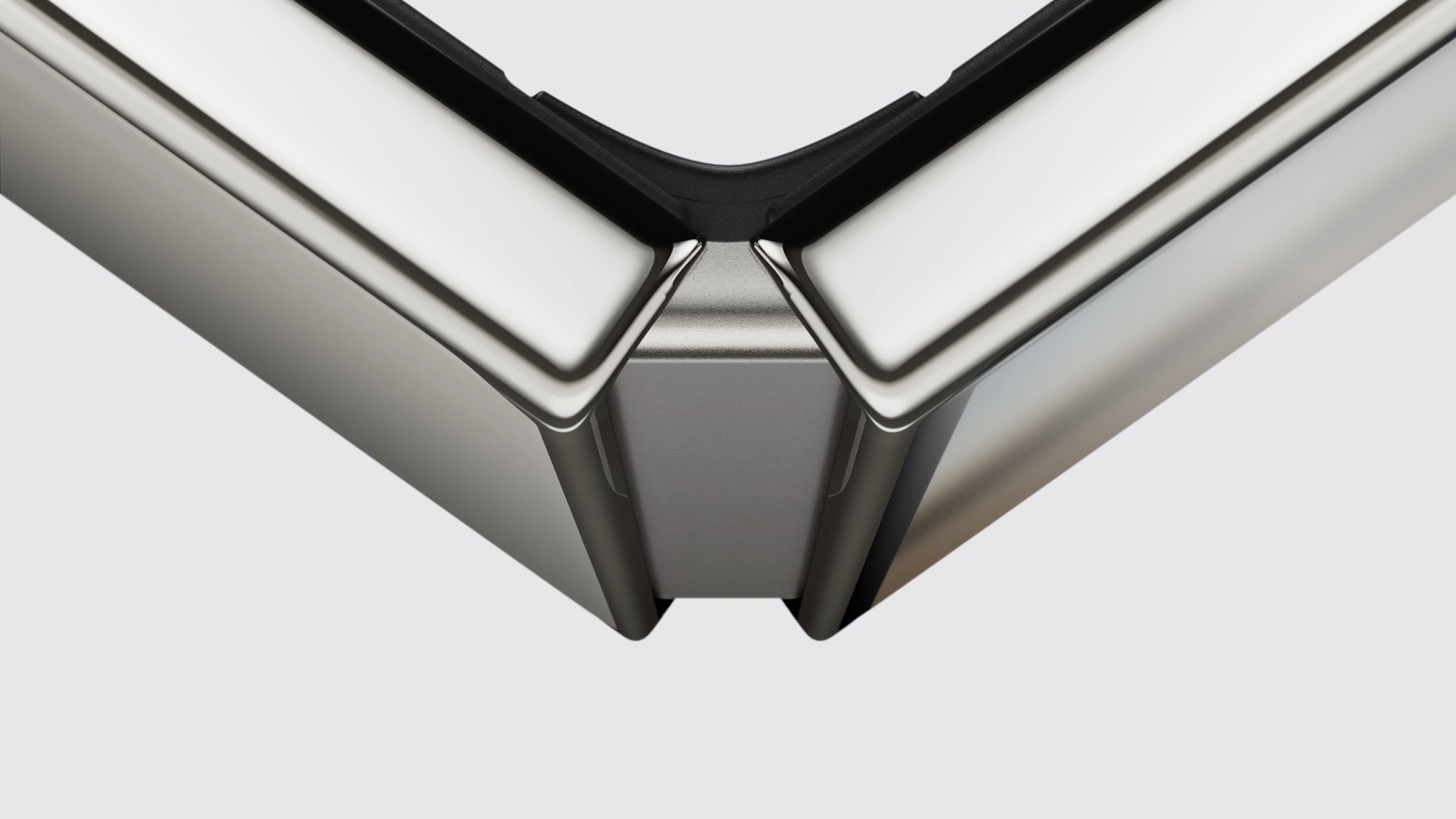
Engineers routed a flexible graphite pipe through the folding mechanism to move heat between the phone’s two halves, which relies on a special material placed over the chip, according to Apple executives.
Apple described the iPhone Duo cooling system in an interview with PCMag featuring Apple executives. The phone folds, so it is roughly twice as thick when closed, which makes it harder to move heat out of the device.
Banafsheh Barabadi, Apple’s senior manager of thermal product design, discussed the vapor chamber, the material over the chip and the hinge. Dan Murray, Apple’s vice president of silicon engineering, covered the chip design and display support.
Apple’s answer was to route a flexible graphite pipe through the hinge. The pipe carries heat between the two halves of the phone and adds surface area for dissipation, taking advantage of its design to cool both parts.
Barabadi called the hinge cooling “one of the most technically challenging aspects of our design.” The graphite pipe must keep its thermal connection and structural integrity through many hinge cycles over the life of the product.
The hinge pipe works alongside a custom vapor chamber. The Next Web reports that Apple claims up to 35 percent better sustained performance than the iPhone 17 Pro because of that chamber.
Apple calls another part of the system “metal over foam,” according to 9to5Mac. The material sits between the A20 Pro chip and the vapor chamber. It creates a direct thermal link between them while staying mechanically compliant.
iFixit’s teardown of the iPhone 18 Pro and Pro Max shows a similar setup. The A20 Pro sits against the vapor chamber with a conformable thermal interface material between them. iFixit says Apple puts the chamber’s surface area at about triple the size of last year’s model.
A wick returns condensed liquid to the hot region through capillary action, according to the teardown. iFixit said the large chamber paired with the aluminum unibody delivers impressive cooling. The teardown does not cover the iPhone Duo or its hinge. It gave both Pro models a provisional repairability score of 7 out of 10, since nearly all repairs go through the screen.
9to5Mac says the A20 Pro is Apple’s first iPhone chip built on a 2nm process. The same process debuted in the M6 chip in the Mac mini in August.
The iPhone Duo version of the chip adds a second display engine. That lets it run the inner and outer displays at the same time, and it brings higher CPU and GPU performance. The chip also supports placing the FaceTime camera behind the inner display, and the PCMag interview notes that DRAM sits next to the processor instead of on top of it.
Barabadi said it took “months of development” to get the properties of the metal over foam material right, detailing the challenges and process of how the company was able to come up with the ingenious design.
The hinge itself is a complex part, as reports claimed that it uses more than 100 components and a 3D-printed titanium cover. Apple says a custom adhesive lets the display layers slide against each other, which reduces stress when the phone bends.
Engadget adds that the hinge has a custom torque profile. It is designed to close securely and lie flat. The frame is made of titanium to add strength while keeping weight down.
Moreover, it was described that the polymer hinge cover is claimed to be up to 40 percent stiffer than industry alternatives, and the phone carries an IP68 rating.
Apple CEO John Ternus said, “iPhone Duo is the most transformational change to iPhone since the original.”
The iPhone Duo is Apple’s first foldable phone, announced on September, at the company’s “surprise and shine” event which was a general iPhone showcase. It folds to about the size of a passport and comes in Night Sky and Star White.
The outer display measures 5.4 inches and the inner display measures 7.6 inches, which Apple calls its largest iPhone display. Apple Pencil works on both screens, and the inner screen supports split view with two apps.
The phone runs on the A20 Pro chip and Apple’s C2 modem. It has two batteries, one on each side, and Apple claims up to 31 hours of video on the inner display and 44 hours on the outer display.
The rear camera system has a 48MP main camera and a 48MP ultra wide camera. Duo specific tools include Smart Take, Duo Preview, Kid Cue and Duo FaceTime. Touch ID sits in the side button, and The Next Web says there is no Face ID. The same report says the phone supports about 50 percent charge in roughly 20 minutes with a wired connection.
The iPhone Duo starts at $1,999 for the 256GB model in the US, as per the Apple website. The Next Web says storage options run from 256GB to 2TB.
That price is $800 higher than the $1,199 iPhone 18 Pro, according to The Next Web. It is also $100 below the $2,099 Samsung Z Fold8 Ultra. IDC had expected a price of $2,500.
Preorders open on October 16, and sales begin on October 23 in 70 countries, based on Engadget’s report. More markets are set to follow on October 30. Nabila Popal, senior research director at IDC, described buyers as “a very elite set of consumers.”
The cooling system combines three pieces, according to the reports. A flexible graphite pipe runs through the hinge, a vapor chamber spreads heat, and the metal over foam material links the chip to the chamber.
The graphite pipe is the piece tied to the folding design. It carries heat between the two halves of the phone and must keep working through many hinge cycles, according to 9to5Mac.
It was revealed that the vapor chamber is custom and helps deliver up to 35 percent better sustained performance than the iPhone 17 Pro. That said, there are no specifications shared by the publications regarding the graphite pipe.