Fujifilm Instax Mini Evo 2: Sensor Area Tripled, Touchscreen Added; Prints Stay at 1.6MP

October 27, 2026:

Fujifilm Instax Mini Evo 2: Sensor Area Tripled, Touchscreen Added; Prints Stay at 1.6MP
Fujifilm Instax Mini Evo 2
Fujifilm.com

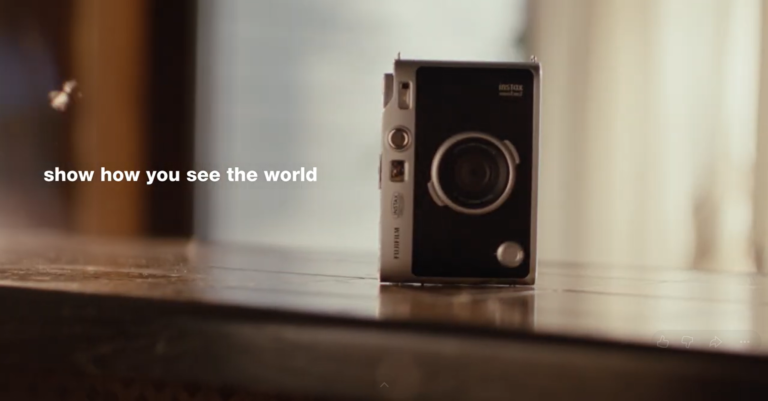
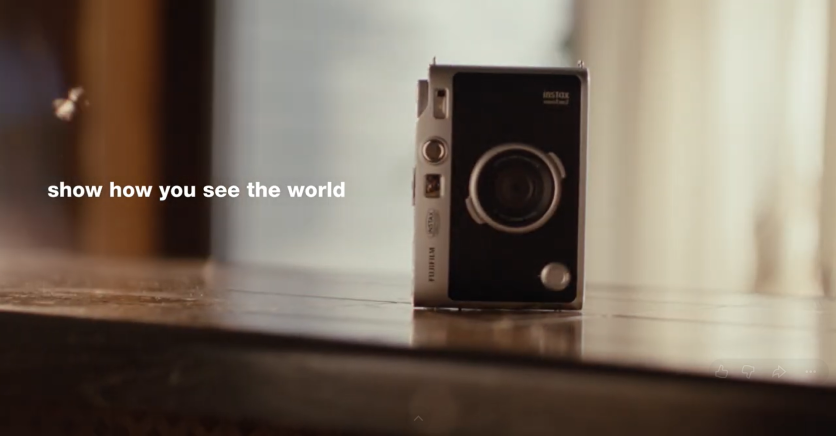
Fujifilm announced the Instax Mini Evo 2 on October 26, 2026 — the first hybrid instant camera from the brand to include a touchscreen display and an imaging sensor more than three times the area of the model it replaces. Buyers focused on physical prints should understand the central nuance before purchase: Instax Mini film’s published chemical resolving power of 12 lines per millimeter limits all printed output to roughly 1.6 megapixels of resolved detail, regardless of the camera’s sensor size. The sensor upgrade pays off in digital files saved to microSD and in the new Immersive Movie video feature — not in the 2.4-by-1.8-inch (62 × 46 mm) prints that remain the camera’s primary purpose.

The Evo 2 will be available at the end of November 2026 for $289.95 in the United States and $379.99 CAD. The European price is €269 — approximately $300 USD at current exchange rates. A matching camera case is expected to follow in early December.

“The instax Evo line remains an incredibly popular part of the instax product family,” said Bing Liem, Division President, Imaging Division, FUJIFILM North America Corporation. “Evo 2’s new features give creators even more options for both still photography and video.”

Sensor Area More Than Tripled — but Film Chemistry Limits Prints to About 1.6 Megapixels

The Evo 2 uses a 1/2.77-inch CMOS sensor — a format with roughly 20.6 square millimeters of imaging area, compared with 6.3 square millimeters for the 1/5-inch chip in the original Mini Evo, a 3.3-times increase in surface area. In wide-angle mode, the camera saves approximately 12.8-megapixel files (3,100 × 4,128 pixels) to a microSD card; in standard Expanded View mode, output to card is 6.1 megapixels. The sensor’s 16.3 effective megapixel count exceeds either output figure — the difference reflects processing and field-of-view cropping.

What that sensor upgrade does not change is print quality. Instax Mini film has a published chemical resolving power of 12 lines per millimeter. Across the 46-by-62-millimeter (1.8-by-2.4-inch) print area, that limit translates to a ceiling of approximately 1,103 by 1,486 pixels — roughly 1.6 megapixels of detail the film can actually reproduce in a physical print. Both the original Mini Evo, which output around 5 megapixels to card, and the new Evo 2 at 12.8 megapixels produce physical prints that resolve essentially the same amount of detail, because the film’s integral dye-diffusion chemistry — not the camera’s sensor — is the binding constraint.

For digital use, the difference is real. A 12.8-megapixel file retains enough information to crop, zoom, or reprint at larger sizes on a standard home printer; a 5-megapixel file does not. The Immersive Movie feature also depends entirely on the digital sensor and would not have been practical on the original chip. Buyers who primarily print every frame and rarely pull files off microSD will see identical print quality from both generations.

The lens retains its f/2.0 aperture and 10-centimeter (3.9-inch) minimum focus distance but gains face-detection autofocus absent from the original. Exposure parameters carry over unchanged: ISO auto 100–1600, shutter speeds from 1/4 to 1/8000 second, ±2 EV compensation. Flash covers approximately 50 centimeters to 1.5 meters (19.7 inches to 4.9 feet). Print resolution is approximately 600 dpi. Each print exits the camera in roughly 14 seconds and develops to full color in about 90 seconds as the film pack’s integral developer chemistry activates through the ejection rollers.

First Touchscreen in Instax History Replaces All Rear Navigation Buttons

Fujifilm describes the 4.46-inch LCD display — marketed as 4.5 inches, with approximately 1.23 million dots — as the first touchscreen on any Instax model. The panel is roughly 1.5 times larger diagonally than the 3-inch button-flanked screen on the original Evo and exceeds the rear displays on most dedicated mirrorless cameras, which typically range between 3.2 and 3.6 inches. Only video-oriented cameras such as Blackmagic’s Pocket Cinema Camera line, with its 5-inch panel, go notably larger.

The physical controls that defined the original Evo’s design remain: the lens-effect ring around the barrel, the film-effect dial on top, the print lever, and the shutter button. What disappears is the cluster of navigation buttons that surrounded the original’s display. All settings, image review, and in-camera retouching — brightness, contrast, saturation, and cropping — now route through the touchscreen before printing.

Expanded View and Immersive Movie: Two Features the Original Could Not Do

Instax Expanded View shows a wider field of view on the touchscreen than the camera will actually capture, with a visible overlay marking the final frame boundary. The design echoes the optical viewfinder on Fujifilm’s X100 series cameras, which has long displayed scene content beyond the captured area. Activating Expanded View shifts the lens to a 33-millimeter equivalent focal length and caps microSD output at 6.1 megapixels. Disabling it restores the 23-millimeter equivalent wide-angle view and unlocks the full 12.8-megapixel output.

Instax Immersive Movie functions as a continuous pre-roll buffer: the camera records the four seconds before each shutter press and appends approximately one second after, producing a five-second MP4 clip saved alongside the still image. Clips are 560 × 992 pixels at 24 frames per second, without audio. The feature requires a microSD card — internal memory handles stills only.

Fujifilm is explicit that Immersive Movie is a social-sharing feature, not a video production tool. The Instax Mini Evo Cinema, which launched earlier in 2026 at €379 (approximately $423 USD), handles proper 1080-pixel video capture for buyers whose priority is video.

What Changed in Effects, Connectivity, and App?

The Evo 2 preserves the original’s combination system: 10 lens effects and 10 film effects that combine for 100 possible visual treatments. The roster has shifted slightly. Wide-angle, double exposure, half-frame, and light leaks remain. The fisheye and mirror effects are gone; wide-angle and After Image are new additions.

Connectivity steps up from Bluetooth 4.2 to Bluetooth 5.2, with 2.4 GHz Wi-Fi included and a USB-C port for charging. The instax mini Evo app — requiring version 3.0 or later — enables remote shutter control and smartphone-to-camera printing from JPEG, PNG, or HEIF files. One constraint carries over from other recent hybrid Instax models: only images that have been physically printed can be transferred back to the smartphone. Digital files not yet printed are accessible only via the microSD card slot.

The camera ships in black only at launch — a single colorway compared with the original’s three options. Internal memory holds approximately 45 images. The microSD slot accepts cards up to 256GB. Battery is rated for roughly 90 prints per charge — down from the original’s 100-print figure — with a full recharge in two to three hours via USB-C. The body measures 87.5 × 125.3 × 43.7 mm (3.44 × 4.93 × 1.72 inches) and weighs approximately 330 grams (11.6 ounces) without film or card. A hot shoe and tripod mount are included.

Where the Evo 2 Sits Against Its Stablemates at $289.95

The $289.95 US price positions the Evo 2 between the two models it sits alongside. The original Mini Evo launched at approximately $149.95 in the United States (€199 in Europe — approximately $222 USD) in early 2022 and has since drifted lower at retail. The Instax Mini Evo Cinema carries a €379 price tag (approximately $423 USD) for its video-first feature set.

The Evo 2 occupies the gap directly: more capable than a discounted original Evo, less specialized than the Cinema. For buyers who found the Cinema’s price or video focus to be more than they needed, the Evo 2 is Fujifilm’s answer.

The broader Instax lineup has expanded at an unusual pace in 2026. The Instax Mini 13, announced in March 2026, added a simplified entry-level option to the Mini format. The Evo Cinema followed in January. The Evo 2 completes the year’s premium tier.

The sensor upgrade is a genuine improvement for anyone who uses the digital side of the camera — storing files on microSD, sharing Immersive Movie clips, or cropping and reprinting digital images elsewhere. For buyers who primarily print and put the camera away, the fundamental print-quality experience remains bounded by the film’s published chemical resolving power — the same as it has always been.

Exchange rates as of October 27, 2026; conversions are approximate.


Frequently Asked Questions

What’s new in the Fujifilm Instax Mini Evo 2 compared to the original?

The Evo 2 replaces the original’s 1/5-inch sensor with a 1/2.77-inch chip — roughly 3.3 times the imaging area — enabling approximately 12.8-megapixel digital files in wide-angle mode, compared to around 5 megapixels on the original. The most visible change is the 4.5-inch touchscreen, which Fujifilm identifies as the first on any Instax model; it replaces the original’s cluster of navigation buttons entirely. Connectivity upgrades include Bluetooth 5.2 (up from 4.2) and USB-C charging. Two exclusive shooting modes — Instax Expanded View and Instax Immersive Movie — are new to the Evo 2.

Does the Fujifilm Instax Mini Evo 2’s bigger sensor improve print quality?

Not in a way most buyers will notice in the prints themselves. Instax Mini film’s published chemical resolving power is 12 lines per millimeter, which translates to a ceiling of roughly 1.6 megapixels of detail across the 1.8-by-2.4-inch print area. The original Evo’s sensor already exceeded that limit; the Evo 2’s 12.8 megapixels exceeds it by more, but the film cannot reproduce the additional detail in a physical print. The sensor upgrade produces genuinely better digital files stored on microSD and enables the Immersive Movie video feature — if you plan to use the card, the improvement is real and measurable.

When does the Fujifilm Instax Mini Evo 2 go on sale, and what does it cost?

The Instax Mini Evo 2 will be available at the end of November 2026. US pricing is $289.95; Canada is $379.99 CAD; Europe is €269, approximately $300 USD at current exchange rates. A matching camera case is expected in early December.

How does the Evo 2’s Immersive Movie feature actually work?

Immersive Movie is a pre-roll video buffer: the camera continuously records video in the background and saves the four seconds before each shutter press alongside the still image, producing a five-second MP4. Clips are 560 × 992 pixels at 24 frames per second with no audio track. A microSD card is required — the camera’s internal memory stores only still images. Fujifilm positions Immersive Movie as a sharing feature rather than a video production tool; the Instax Mini Evo Cinema remains the line’s dedicated video-capable model.

Source link