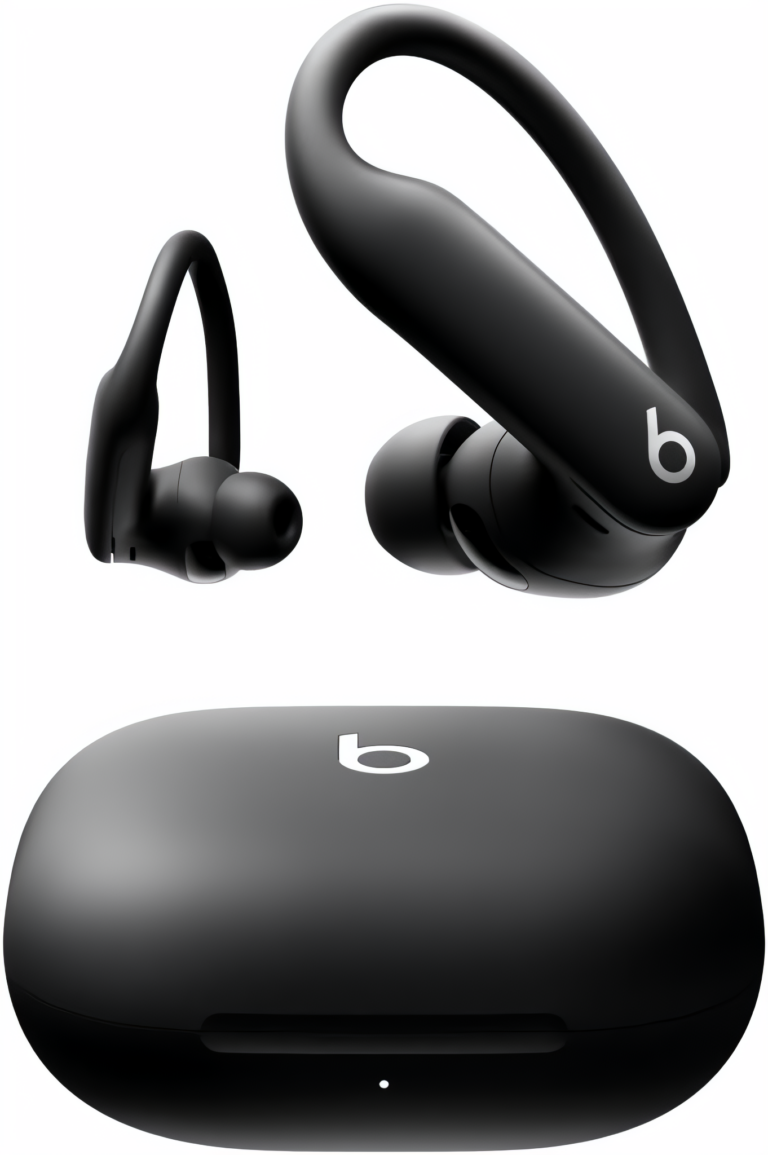
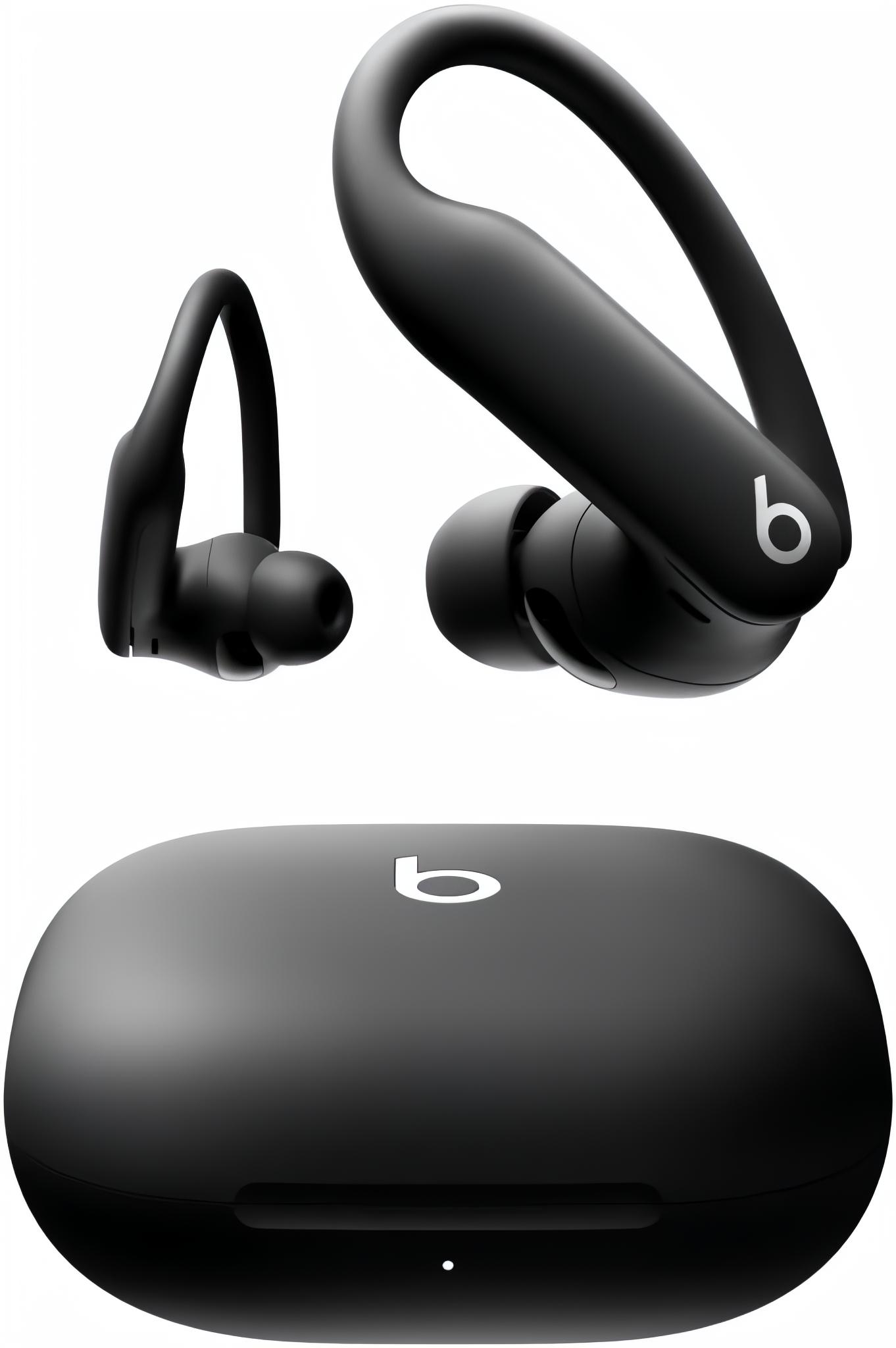
The Beats Powerbeats Pro 2 in Jet Black is on sale today for $199.95 at Amazon for $199.95 today — a 20% discount off its $249.99 retail price, and the standard recurring promotional price at which this model becomes genuinely worth buying. For athletes who want earbuds that stay locked in during a sprint interval, block gym noise at H2-chip grade, and feed real-time heart rate data directly to their fitness apps — all without a smartwatch on their wrist — the Powerbeats Pro 2 is the most feature-complete option currently on the market at this price point.
One piece of context the deal-page copy won’t tell you: the all-time low for this model was $179.95, reached during Prime Day on June 21, 2026, according to CamelCamelCamel’s price history. Today’s $199.95 is a reliable, recurring sale price — not a record low — so if maximum savings matter more than buying now, patience toward the next major shopping event could save another $20. For most buyers, though, $199.95 represents a meaningful entry point to a product that launched at $250 and held that price for most of its first year.
What Makes the Powerbeats Pro 2 Different From Every Other Workout Earbud
Released February 13, 2025, the Powerbeats Pro 2 marked a first for Beats — it was the first Apple or Beats product to ship with built-in heart rate monitoring. Apple VP of Music, Sports, and Beats Oliver Schusser called it “the most impressive product in Beats’ history,” and in terms of raw feature density for a fitness-focused in-ear, that claim is difficult to dispute.
The earbuds run Apple’s H2 chip — the same system-on-chip found in the AirPods Pro 2 — which handles Active Noise Cancellation (ANC), Adaptive EQ, and Personalized Spatial Audio with dynamic head tracking. On top of that platform, Beats added a biometric sensor the AirPods Pro 2 still lacks: an optical photoplethysmography (PPG) heart rate monitor built into each earbud.
How the Ear-Based Heart Rate Sensor Actually Works
The heart rate monitoring system is not a repurposed Apple Watch component — it is a miniaturized variant of the same optical sensing technology, engineered to be approximately one-sixteenth the size of the Apple Watch sensor. Each earbud contains a green LED that pulses over 100 times per second against the skin of the ear canal, a photodiode that measures reflected light, and an accelerometer that filters out motion artifacts caused by movement during exercise, per the official Beats press release.
The mechanism works because oxygenated blood absorbs green light more than surrounding tissue, producing a pulsing signal whose frequency corresponds to heart rate. The ear canal sits close to the temporal artery, which in theory gives it an advantage over wrist-based optical sensors during steady-state exercise like running or cycling, where the earbud can maintain a consistent seal and the sensor sees a clean signal.
The important caveat — one that several reviewers documented — is that signal quality depends heavily on fit and exercise type. Tom’s Guide reported “heart rate monitor hiccups” during testing, and DC Rainmaker, a specialist in sports-tech accuracy, found that motion artifacts from running caused inconsistent readings, particularly during high-intensity interval training where head movement is more pronounced. RTINGS’ sports-fitness verdict on the earbuds characterized the heart rate monitor as handy but not a substitute for a dedicated device. For long runs, cycling sessions, and moderate gym work — steady-state activities where the earbud stays seated — the sensor delivers reliable data. For boxing, HIIT circuits, or any workout involving significant head movement, a chest strap or dedicated wrist monitor remains the more accurate option.
On Android, heart rate monitoring requires a manual double tap and hold on either earbud to initiate a session, rather than the automatic start-and-end behavior that iOS provides, according to T3’s testing.
Specs at a Glance
| Feature |
Details |
| Chip |
Apple H2 |
| ANC |
Yes (Active Noise Cancellation) |
| Transparency Mode |
Yes |
| Battery (earbuds) |
Up to 10 hrs (ANC off) / 8 hrs (ANC on) |
| Battery (total w/ case) |
Up to 45 hrs (ANC off) / 36 hrs (ANC on) |
| Charging |
USB-C + Qi wireless |
| Water Resistance |
IPX4 (sweat and splash resistant) |
| Bluetooth |
5.3 |
| Drivers |
9.5mm dual-layer |
| Weight |
~8.7g per earbud |
| Heart Rate Monitor |
Yes (LED optical PPG sensor) |
| Colors |
Jet Black, Quick Sand, Hyper Purple, Electric Orange |
Noise Cancellation: Strong, Though Not Quite Best-in-Class
The H2 chip’s feedforward-and-feedback ANC architecture — the same computational pipeline that made the AirPods Pro 2 an ANC benchmark — processes ambient noise via two microphones per earbud, generates a real-time anti-noise signal, and delivers an average 83% reduction in external noise loudness across frequency bands, according to SoundGuys’ measurement methodology. RTINGS called the ANC and passive isolation “fantastic” in the context of sports and fitness use.
The honest competitive context: Digital Trends noted that H2 ANC is no longer unambiguously class-leading, with the Sony WF-1000XM5 and Bose Ultra Earbuds measuring slightly better in pure noise attenuation benchmarks. That matters for commuters and travelers who make ANC their primary criterion. For gym use, where the gap is narrower and secure fit matters far more than marginal decibel differences, the Powerbeats Pro 2’s H2 ANC is more than sufficient. The transparency mode, which uses the same microphone array to pass ambient sound through with minimal coloration, was praised as natural-sounding by multiple reviewers — T3’s full review and Digital Trends’ testing results both called it among the best available in this form factor.
Battery and Hardware: Where the Powerbeats Pro 2 Leads Its Category
The 45-hour total battery life (ANC off) is the headline spec that most distinguishes the Powerbeats Pro 2 from the AirPods Pro 2, which delivers up to 6 hours per charge with ANC on and approximately 5.5 hours with ANC off. The Powerbeats Pro 2’s earbuds alone offer 10 hours (ANC off) and 8 hours (ANC on), with the Qi wireless charging case adding remaining capacity to reach 45 and 36 hours respectively, per the official Beats press release.
The case is also 33% smaller than the original Powerbeats Pro’s notoriously large case, and now supports both USB-C and Qi wireless charging — two meaningful ergonomic improvements from the 2019 model. With a 5-minute fast charge providing approximately 1.5 hours of playback, the earbuds are practical for athletes who forget to charge the night before.
The earhooks are manufactured from nickel-titanium alloy (the same shape-memory material used in medical stents and orthodontic wires), which allows them to flex under force and return to their preset shape. Each earbud weighs approximately 8.7 grams — about 20% lighter than the original Powerbeats Pro — and comes with five sizes of silicone ear tips. Apple and Beats report that the hook geometry was refined across 1,500+ hours of athlete testing on approximately 1,000 participants.
The earbuds carry an IPX4 water resistance rating, meaning they withstand splashing and sweat from any direction but are not rated for submersion or heavy rain. Several competing fitness earbuds — including some from JBL — carry IPX5 or IPX7 ratings, which may matter for outdoor athletes in wet conditions.
What Do Reviewers Actually Think?
The professional consensus is that the Powerbeats Pro 2 is the best workout-specific earbud on the market, with one consistent caveat about audio character.
Android Central awarded Editor’s Choice distinction, praising accurate heart rate monitoring, improved sound quality, and battery life. SoundGuys gave them a 7.6/10, calling them worth checking out for premium workout use and specifically citing the secure fit and noise cancellation. Digital Trends praised noise cancellation and transparency mode while noting the sound leans bass-forward rather than neutral. RTINGS rated them highly for sports and fitness use, flagging the lack of a third-party EQ option and the fact that Bluetooth automatic device switching is Apple-only.
Tom’s Guide’s verdict was mixed: “good battery life,” “comfortable, secure fit,” and “dynamic, pulsing bass” on the positive side; “some audio quality issues” and “heart rate monitor hiccups” on the negative. Engadget scored them 79/100, flagging that the ANC, while capable, is “average at best” for non-athletic contexts, and that heart rate support was limited at launch on iOS.
The pattern that emerges: these are the right earbuds for people whose primary use case is athletic performance, and a reasonable but not exceptional choice for everyday commuting or office listening where ANC depth or audio neutrality matter more.
Are Beats Powerbeats Pro 2 Worth Buying for Android Users?
The honest answer is: partially. Android users get the full hardware specification — H2 chip processing, Bluetooth 5.3 connectivity, PPG heart rate monitoring, ANC, transparency mode, and IPX4 water resistance. What they lose are Apple-exclusive software features: Personalized Spatial Audio with head tracking, automatic Bluetooth device switching between Apple devices, iOS-native controls through the Settings app, and the automatic start/stop behavior for heart rate monitoring (which requires a manual double tap on Android), according to RTINGS’ review. The Beats app handles ANC mode switching and firmware updates on Android, but offers no equalizer. For pure hardware value, Android users still get a well-built, capable product. For ecosystem integration, the value proposition is meaningfully stronger on iOS.
How to Answer: Is $199.95 Worth It?
At $199.95, the Powerbeats Pro 2 undercuts the AirPods Pro 2 at Amazon (which Apple sells at $249) while offering a longer battery per charge, a more sport-specific earhook fit, and a biometric sensor the AirPods Pro 2 doesn’t have. Against JBL, Sony, and other competitors at this price, the Powerbeats Pro 2 offers better Apple ecosystem integration (for iOS users), better total battery life, and the distinctive secure-fit earhook design that running and HIIT athletes specifically seek out.
The relevant comparison for most buyers is not “is this the cheapest workout earbud” but “is this the right workout earbud for my training style.” For runners, cyclists, and gym athletes doing steady-state work who use iPhones, the answer is clearly yes at $199.95. For HIIT athletes who want their earbuds to function as their primary HR monitor during variable-intensity intervals, the answer is more qualified — the sensor is a useful addition, not a replacement for a chest strap or dedicated optical wristband.
The $199.95 deal is currently live at Amazon across all four colorways (Jet Black, Quick Sand, Hyper Purple, and Electric Orange).
Prices and availability are subject to change. TechTimes may earn a commission from qualifying purchases made through affiliate links.
Frequently Asked Questions
Are Beats Powerbeats Pro 2 accurate for heart rate tracking?
During steady-state exercise — running at a consistent pace, cycling, or gym cardio — the optical PPG sensor in each earbud delivers readings that multiple reviewers found acceptably accurate when compared to dedicated heart rate monitors. The sensor pulses a green LED over 100 times per second and uses an accelerometer to filter motion artifacts. During high-intensity interval training or activities with significant head movement, several reviewers including Tom’s Guide full review and sports-tech specialist DC Rainmaker documented inconsistent readings caused by motion interference and seal disruption. SoundGuys’ workout earbud verdict likewise noted the sensor works best during steady activities. The Powerbeats Pro 2 is a meaningful fitness supplement, but not a replacement for a dedicated chest strap or optical wristband for athletes who need precision heart rate data during variable-intensity sessions.
What is the all-time low price for the Beats Powerbeats Pro 2?
The lowest recorded Amazon price for the Jet Black colorway was $179.95, reached during Prime Day on June 21, 2026, per CamelCamelCamel’s price data. Today’s $199.95 sale is the standard recurring promotional price — a solid 20% discount from the $249.99 retail price, and the level at which the earbuds have been broadly available on a rotating basis since mid-2025. If you can wait for the next major sale event, there is a reasonable possibility of seeing $179 or lower again.
How do Beats Powerbeats Pro 2 compare to AirPods Pro 2?
Both run Apple’s H2 chip and offer ANC, Transparency mode, Adaptive EQ, and Personalized Spatial Audio on Apple devices. The Powerbeats Pro 2 adds a heart rate sensor the AirPods Pro 2 lacks, and offers significantly longer battery life — up to 10 hours per earbud versus about 6 hours for the AirPods Pro 2 with ANC on. The AirPods Pro 2 has a smaller, more pocketable case and sits in-ear without hooks, which some users prefer for casual or office use. The Powerbeats Pro 2’s earhook design provides a more secure fit for athletic movement. At today’s prices, the Powerbeats Pro 2 at Amazon at $199.95 is $49 cheaper than the AirPods Pro 2 at $249.
Does the H2 chip make a difference for Android users?
The H2 chip improves ANC depth, Adaptive EQ performance, and battery efficiency on both iOS and Android. However, several features that make the H2 compelling on Apple devices — Personalized Spatial Audio with head tracking, automatic Bluetooth switching between Apple devices, Conversation Awareness, and automatic heart rate monitoring start/stop — require an iPhone running a compatible iOS version. Android users access the earbuds through standard Bluetooth 5.3 and the Beats app, gaining ANC control and firmware updates but not the full iOS-native feature set, according to RTINGS.