November 23, 2026:


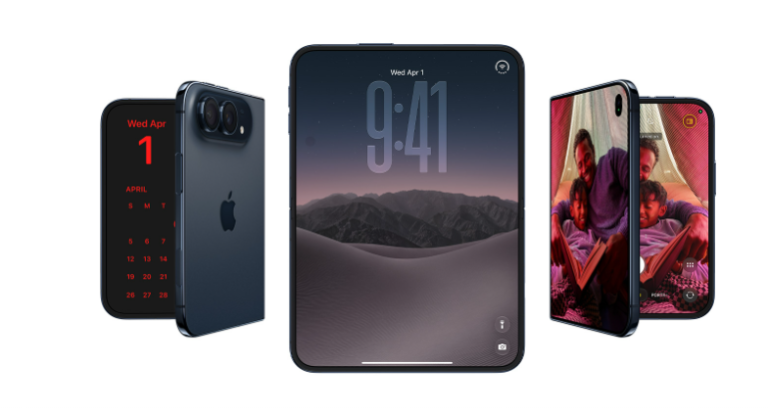
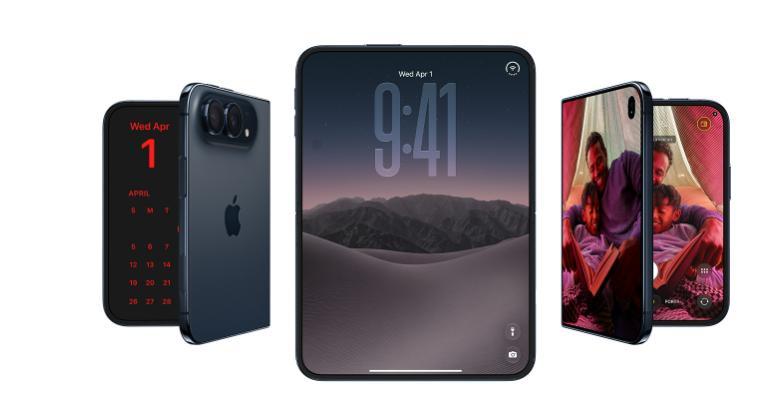
Apple may be exploring a new way to make the iPhone Lock Screen more informative without requiring users to unlock their devices. An experimental interface called iPhone Duo reportedly introduces an additional widget area, allowing widgets to appear in two separate sections of the Lock Screen rather than being limited to the existing layout.
The discovery suggests Apple is considering ways to expand Lock Screen customization while keeping essential shortcuts and status indicators intact.
Although the feature remains disabled, the experimental design could offer a glimpse into how future iOS updates may handle widgets, personalization, and quick access to information.
The reported iPhone Duo interface is an experimental Lock Screen arrangement that introduces a second area for widgets. Details about the feature were shared by a leaker known as “pdfu,” who reportedly identified the layout within Apple’s software.
Unlike the current conventional widget arrangement, the new design uses two vertically stacked circular widgets positioned along the right side of the display. This creates an additional space for information without removing the existing widget area at the bottom of the Lock Screen.
The experimental layout appears designed to make more information visible at a glance, potentially giving users additional flexibility when customizing their iPhone Lock Screen.
One of the defining elements of the iPhone Duo interface is a feature reportedly called the Complication Column.
The column occupies the right-hand side of the Lock Screen, above the customizable shortcuts traditionally associated with the flashlight and camera. It contains a pair of circular widgets arranged vertically, creating a dedicated space for displaying additional information.
Network status indicators remain positioned above the new widget column, while the existing bottom widget row can still be used. This arrangement allows the two widget areas to coexist instead of forcing users to choose between them.
The additional space could make the iPhone Lock Screen more practical for people who rely on widgets to monitor information throughout the day.
According to MacRumors, the main appeal of the experimental iPhone Duo Lock Screen is the possibility of displaying more information without opening apps.
Lock Screen widgets are designed to provide quick access to information, including weather updates, calendar events, reminders, battery levels, and other glanceable details. Adding a second widget area could extend this functionality by allowing more information to remain visible simultaneously.
With the Complication Column and existing bottom widget row working together, users could potentially arrange different types of information across both sections. The reported design may reduce the need to swipe through screens or unlock the device just to check simple updates.
However, the exact widgets supported by the Complication Column have not been confirmed, and the experimental feature’s final functionality remains unknown.
Check our report about the iPhone Duo survey.
According to pdfu, the Complication Column was identified in iOS 27.1 and is controlled through an internal SpringBoard/Ionic setting.
SpringBoard is the iOS system component responsible for managing the Home Screen and other key interface elements. The discovery of an internal setting suggests the layout exists within Apple’s software framework, although it is not currently enabled for ordinary users.
The feature’s presence in the operating system does not necessarily mean it is ready for public release. Apple frequently tests interface concepts and software capabilities internally without introducing them in a final update.
Despite the discovery, there is no confirmation that Apple intends to release the iPhone Duo Lock Screen layout publicly.
The feature reportedly remains disabled, and no subsequent changes to its code have been identified. That leaves its development status unclear, including whether the Cupertino titan is actively refining the design, keeping it for future consideration, or simply testing a concept that may never reach users.
As with other leaked iOS features, an internal setting or interface discovery should not be treated as confirmation of an upcoming release.
In other news, developers are now ready to submit iPhone Duo apps by complying with the specific Xcode 27.1 requirements.
Of course, the apps will be filtered and should pass the standards set by Apple for the newest foldable smartphone.There are also adjustments needed for both the software and hardware department.
According to the iPad maker, developers could recompile an existing app with Xcode 27.1 for the new device. This would help them save time in creating an entirely new version of the existing app.
The experimental widget column shows Apple’s smarter approach to making the iPhone more customizable while preserving the familiar Lock Screen design.
Rather than completely rearranging the interface, the iPhone Duo concept appears to use previously available space to introduce another layer of personalization. The circular widgets also create a distinct visual arrangement that differs from the traditional bottom-row layout.
If Apple eventually releases the feature, it could give users more freedom to prioritize information on their Lock Screens. For now, however, the Complication Column remains an unreleased experiment, and its eventual availability will depend on Apple’s development decisions.
iPhone Duo is a reported experimental Lock Screen interface that allows widgets to appear in two separate areas, including a new vertical column on the right side of the screen.
The Complication Column is a reported additional widget area featuring two vertically stacked circular widgets. It sits above the Lock Screen’s flashlight and camera shortcuts.
The experimental layout was reportedly identified in iOS 27.1, where it is controlled through an internal SpringBoard/Ionic setting.
The feature is reportedly disabled for now. There is no confirmed public method for enabling it through standard iPhone settings.
Apple has not announced a release date or confirmed plans to make the feature publicly available. Its current development status remains uncertain.