HomeAuto ALS Gene Therapy Turns Motor Neurons Into Antibody Factories, Raises $83.5M
ALS Gene Therapy Turns Motor Neurons Into Antibody Factories, Raises $83.5M
November 12, 2026:
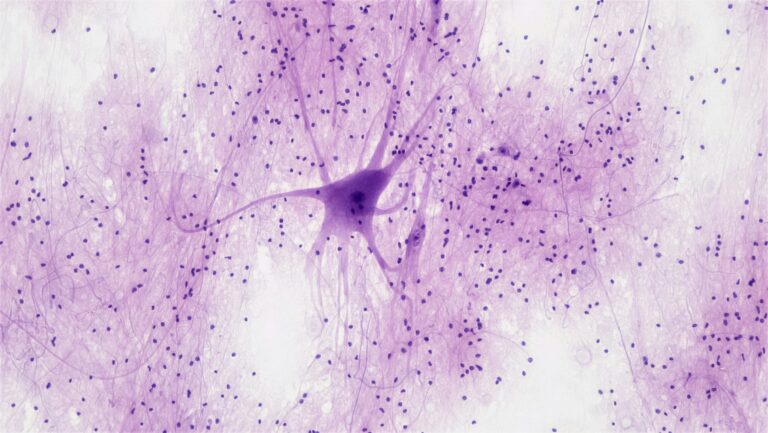
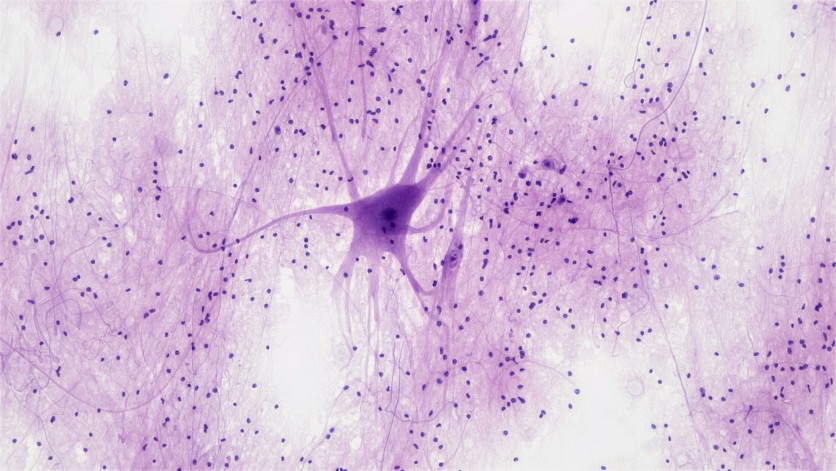
Bioscience Image Library by Fayette Reynolds/Unsplash.com
The graveyard of failed ALS drugs is long. Riluzole bought patients an average of two to three extra months when it reached pharmacy shelves in 1995. Edaravone slowed functional decline in a narrow patient subgroup in 2017. Tofersen, approved in 2023, works for roughly two percent of ALS patients — those with a mutation in a single gene called SOD1. For the other 98 percent, the pipeline has not moved in decades.
That backdrop is what makes the approach being tested by Amsterdam-based VectorY Therapeutics worth understanding closely. On Tuesday, the company announced a €74.5 million ($83.5 million) extension to its Series A financing round, bringing the total raise to approximately €200 million (about $224 million) since the company’s founding. The new money, the company said, will fund the PIONEER-ALS Phase 1/2 trial through its final safety and biomarker readout — data the company expects over the coming year.
What makes VectorY’s program scientifically distinct is not the amount of money it has raised. It is what the company is asking motor neurons to do: build their own medicine.
How VTx-002 Works: One Injection, Continuous Defense
The standard challenge in treating neurodegenerative diseases is delivery. The brain sits behind a blood-brain barrier — a tightly regulated cellular wall that blocks most large-molecule drugs, including antibodies, from entering in therapeutic quantities. This is why drugs like tofersen use antisense oligonucleotides, which are small enough to get in. It is why getting any antibody into motor neurons at concentrations high enough to do anything useful has been, in practical terms, nearly impossible.
VectorY’s approach sidesteps the delivery problem entirely. Instead of shipping an antibody to the brain, the company ships the instructions to make one.
VTx-002 uses an adeno-associated virus serotype 5 (AAV5) — a small, non-replicating virus that has been used in several approved gene therapies — as a delivery vehicle. The virus carries a DNA payload encoding an antibody fragment (a single-chain variable fragment, or scFv) designed to bind to pathological TDP-43 protein. That payload is delivered through a single intracisternal injection, meaning directly into the cerebrospinal fluid (CSF) at the base of the skull, at the cisterna magna.
From there, the vector distributes through the CSF, which circulates throughout the brain and spinal cord. Motor neurons take it up. The DNA enters the nucleus and persists there as a stable episomal element — it does not integrate into the cell’s genome, reducing the risk of off-target genetic effects. The cell’s own molecular machinery then reads the antibody gene and continuously produces the therapeutic protein from within.
The result: a motor neuron that manufactures its own ALS-relevant antibody, indefinitely, from one injection. No pharmacokinetic degradation. No repeated infusions. No blood-brain barrier to cross.
Studies in non-human primates have shown intracisternal AAV delivery to be up to 100 times more efficient for reaching brain tissue than intravenous infusion, while also carrying lower systemic exposure, lower hepatotoxicity, and lower immunogenicity risk. The tradeoff is procedural complexity: patients require a specialized injection at the base of the skull in a clinical setting, a constraint VectorY is separately working to eliminate (more on that below).
Why TDP-43 Is the Right Target — and Why Hitting It Is Hard
VTx-002 targets a protein called TDP-43 (TAR DNA-binding protein 43), encoded by the TARDBP gene.
TDP-43 is not a foreign invader. It is a protein the cell needs. Under normal conditions, TDP-43 sits in the nucleus, where it performs essential functions in RNA metabolism, pre-mRNA splicing regulation, and stress granule assembly. The problem in ALS is what happens to it: TDP-43 leaves the nucleus, misfolds, becomes hyperphosphorylated and ubiquitinated, and aggregates in the cytoplasm. This two-part pathology — a loss of normal nuclear TDP-43 function and a simultaneous gain of toxic cytoplasmic aggregate function — drives motor neuron death.
What makes TDP-43 such a compelling target is its prevalence. TDP-43 mislocalization and aggregation is present in an estimated 97% of all ALS cases, regardless of the genetic mutation that initiated the disease. That includes both familial ALS (the roughly 10% of cases linked to inherited mutations in genes like SOD1, C9orf72, FUS, or TARDBP itself) and the approximately 90% of cases classified as sporadic, where no single causative mutation has been identified.
No currently approved or late-stage drug has successfully addressed TDP-43 pathology in humans. Relyvrio (sodium phenylbutyrate/taurursodiol), which had shown promise in a Phase 2 trial, was withdrawn from the market in April 2024 after its Phase 3 confirmatory trial failed to meet primary endpoints. The field has had no clean success against TDP-43 in a randomized controlled trial.
Here is the scientific complication VectorY must navigate: because TDP-43 is essential for cell survival, the antibody cannot simply suppress the protein wholesale. It must bind specifically to the pathological, misfolded, aggregated forms — the toxic cytoplasmic species — without disrupting normal nuclear TDP-43 function. VectorY’s scFv is engineered to recognize a conformational epitope present on aggregated TDP-43 that is not exposed on the normal functional protein. Whether it achieves this selectivity reliably in human motor neurons is one of the central questions PIONEER-ALS is designed to explore through pharmacodynamic biomarker endpoints.
Why AAV5, and Why It Matters
Not all AAV serotypes are equivalent. The choice of AAV5 for VTx-002 reflects specific considerations about safety and efficiency in the central nervous system.
AAV9, the vector used in Zolgensma (the spinal muscular atrophy gene therapy approved in 2019), demonstrated high-dose hepatotoxicity in older patients — severe enough that regulatory agencies issued warnings and required risk mitigation measures. AAV9 also faces high levels of pre-existing neutralizing antibodies in a portion of the human population, which can render the therapy ineffective in those patients.
AAV5 has a more favorable profile for CNS applications: lower pre-existing immunity rates in humans, broader CNS tropism, and clinical validation through Hemgenix (etranacogene dezaparvovec), the AAV5-based hemophilia B gene therapy approved by the FDA in late 2022. It became the first AAV vector to demonstrate that the serotype’s safety profile holds in a large-scale adult human population over time.
The PIONEER-ALS Trial: What It Is Testing and Where It Stands
PIONEER-ALS is a multicenter, open-label, ascending-dose Phase 1/2 study testing two dose levels of VTx-002 in ALS patients who carry a TDP-43 pathology burden — which, given TDP-43’s near-universal prevalence in ALS, includes almost all patients who meet inclusion criteria.
The trial received FDA Investigational New Drug clearance on December 3, 2025, and FDA Fast Track Designation in January 2026. The first participant was dosed on February 9, 2026, at the Healey & AMG Center for ALS Research at Massachusetts General Hospital in Boston. In April 2026, both the UK Medicines and Healthcare products Regulatory Agency (MHRA) and the European Medicines Agency (EMA) authorized the trial for European sites.
In September 2026, the trial protocol was expanded from 12 to 36 participants, and European dosing began at the UMC Utrecht in the Netherlands — VectorY’s home country and home institution for several of its scientific collaborators.
The global coordinating investigator is James Berry, MD, PhD, chief of the Division of Motor Neuron Diseases at Mass General Brigham — one of the most experienced ALS clinical trialists in the United States.
A distinctive feature of the trial design is its use of digital twin controls for the initial patient cohort. In a standard Phase 1/2 trial, concurrent placebo controls are common, but in ALS — where the median time from diagnosis to death is two to five years, and where functional decline can be rapid — assigning patients to a placebo arm raises serious ethical and practical challenges. VectorY partnered with Unlearn, a San Francisco-based artificial intelligence company, to deploy the ALS Digital Twin Generator: an AI system that generates a per-patient prediction of disease trajectory based on each individual’s baseline characteristics and historical ALS clinical trial datasets. Each PIONEER-ALS participant is paired with their own AI-generated comparator, allowing investigators to assess whether a patient’s observed disease course diverges meaningfully from their predicted trajectory without treatment.
The Funding Round: Who Is In, and What the EIB’s Participation Signals
The €74.5 million ($83.5 million) extension round was co-led by Forbion and EQT Life Sciences, the two lead investors from the original November 2023 close. Existing investors returning include MRL Ventures (Merck & Co.’s venture arm), Insight Partners, BioGeneration Ventures (BGV), the ALS Investment Fund, and Eli Lilly and Company. New investors entering at this stage are Angelini Ventures and Invest-NL.
The structurally most significant participant in the new round is not a private investor at all. The European Investment Bank (EIB) is contributing €30 million (approximately $33.6 million) in the form of a convertible loan under the EIB InvestEU life sciences program, which the European Commission uses to channel public capital into strategic economic sectors.
The EIB rarely makes direct convertible loan investments in clinical-stage biotechnology companies. Its participation here reflects two things: the European Union’s explicit designation of advanced therapy medicinal products (ATMPs), which include gene therapies, as a strategic industrial priority; and an institutional assessment that the PIONEER-ALS program presents sufficient scientific and commercial credibility to justify public capital at this stage. For VectorY, the EIB relationship also opens a pathway to EIB financing at later stages of development, including potential infrastructure support for manufacturing scale-up.
“This financing will enable us to generate high-quality safety and biomarker signal data from PIONEER-ALS in the coming year,” said Olga Uspenskaya-Cadoz, MD, PhD, VectorY’s chief medical officer.
The Intravenous Route: Removing the Procedural Barrier
One of the principal constraints on VectorY’s current approach is the intracisternal delivery route. While it maximizes CNS delivery efficiency, it requires a specialized neurosurgical procedure not available at most community neurology practices. Scaling this therapy — if it proves effective — to the full ALS patient population would require either training a large number of practitioners in the injection technique or finding a way to deliver the vector intravenously.
In September 2025, VectorY signed an option and license agreement with Shape Therapeutics, a Seattle-based gene therapy company, for SHP-DB1 — an engineered deep-brain-penetrating capsid derived from AAV5. SHP-DB1 was designed to enable intravenous delivery by overcoming the brain’s vascular barrier, while simultaneously reducing off-target expression in the liver and dorsal root ganglia, two tissues associated with AAV toxicity. In non-human primate studies, SHP-DB1 demonstrated meaningful CNS transduction following IV dosing with a de-targeted safety profile compared to standard AAV5.
If SHP-DB1 performs similarly in humans, it would allow future iterations of VectorY’s vectorized antibody programs to be administered intravenously — a pharmacologically and logistically transformative change for a potential ALS therapy.
The option agreement carries potential milestone payments totaling up to $1.2 billion, a figure that reflects both the value Shape ascribes to the relationship and VectorY’s interest in securing a durable right to the technology.
The Platform Beyond ALS: Four Pipeline Programs
VectorY’s vectorized antibody platform is not a single-disease approach. The same core architecture — AAV vector, intracisternal or IV delivery, sustained intracellular antibody expression — applies wherever an antibody target has been validated in a neurodegenerative context and where the antibody cannot reach target tissue at therapeutic concentrations via conventional means.
The company has disclosed four additional pipeline programs beyond VTx-002:
VTx-001 is a second ALS candidate, the nature of which has not been fully disclosed publicly. It presumably targets a different pathological mechanism or patient subpopulation than the TDP-43-focused VTx-002.
VTx-003 is designed for Huntington’s disease, the fatal inherited neurodegenerative condition caused by an expanded CAG repeat in the HTT gene that leads to mutant huntingtin protein aggregation. Huntington’s affects roughly 30,000 Americans and has no approved disease-modifying therapy.
VTx-004 targets frontotemporal dementia (FTD), the most common form of dementia in people under 65. A significant subset of FTD is pathologically linked to TDP-43, overlapping with ALS — a connection that makes VectorY’s TDP-43 targeting expertise directly applicable.
VTx-005 is aimed at Alzheimer’s disease, the most prevalent neurodegenerative condition, affecting more than 6 million Americans. The specific Alzheimer’s target has not been disclosed, though both amyloid-beta and tau are well-validated proteinopathy targets in that disease.
The significance of the pipeline structure is that each program builds on the same manufacturing, delivery, and expression infrastructure validated in PIONEER-ALS. If VTx-002 establishes a clean safety record for intracisternal AAV5 antibody delivery in humans, that record partially de-risks the entire platform — accelerating the path to IND filings for the downstream programs and reducing the size of Phase 1 safety cohorts needed.
The Competitive and Scientific Moment
ALS drug development has historically suffered from two compounding failures. The first is target failure — selecting molecular targets that are not actually the main drivers of motor neuron death in humans, even when they appear causal in animal models. The second is delivery failure — finding valid targets but being unable to get therapeutic concentrations of drugs to motor neurons in the spinal cord and brain stem.
Vectorized antibody delivery addresses the second failure directly. It does not eliminate the first: if TDP-43 aggregates turn out to be downstream markers of a different upstream process, clearing them may not halt neuronal death. But if TDP-43 aggregation is causally central to motor neuron loss — as 30 years of neuropathology data strongly suggest — then VectorY’s approach would, for the first time, provide sustained therapeutic concentrations of an antibody at the site of disease, in the cells that are dying.
That is not the same as a cure. PIONEER-ALS is measuring safety and biomarker signal, not survival. Proof of mechanism in 36 patients would set the stage for a larger efficacy trial — a process that, in the ALS regulatory environment and with FDA Fast Track status, could move in several years rather than the decade-plus timeline typical of conventional drug development.
For the 30,000 Americans living with ALS right now, and the roughly 5,000 diagnosed each year with almost nothing on the approved therapy shelf, the data from PIONEER-ALS will be among the most closely watched readouts in neurology over the coming year.
VectorY Therapeutics is headquartered in Amsterdam, Netherlands. PIONEER-ALS is registered on ClinicalTrials.gov. For information on ALS clinical trial enrollment, see the ALS Association’s clinical trial finder.
(Exchange rate as of November 11, 2026, per VectorY’s official press release; all conversions are approximate.)