November 27, 2026:


Meta is once again facing pushback over its camera-equipped smart glasses, this time in the Netherlands.
Dutch consumer and digital rights groups have taken the company to court, asking a judge to pull the popular Ray-Ban eyewear from store shelves until it puts stronger privacy protections in place.
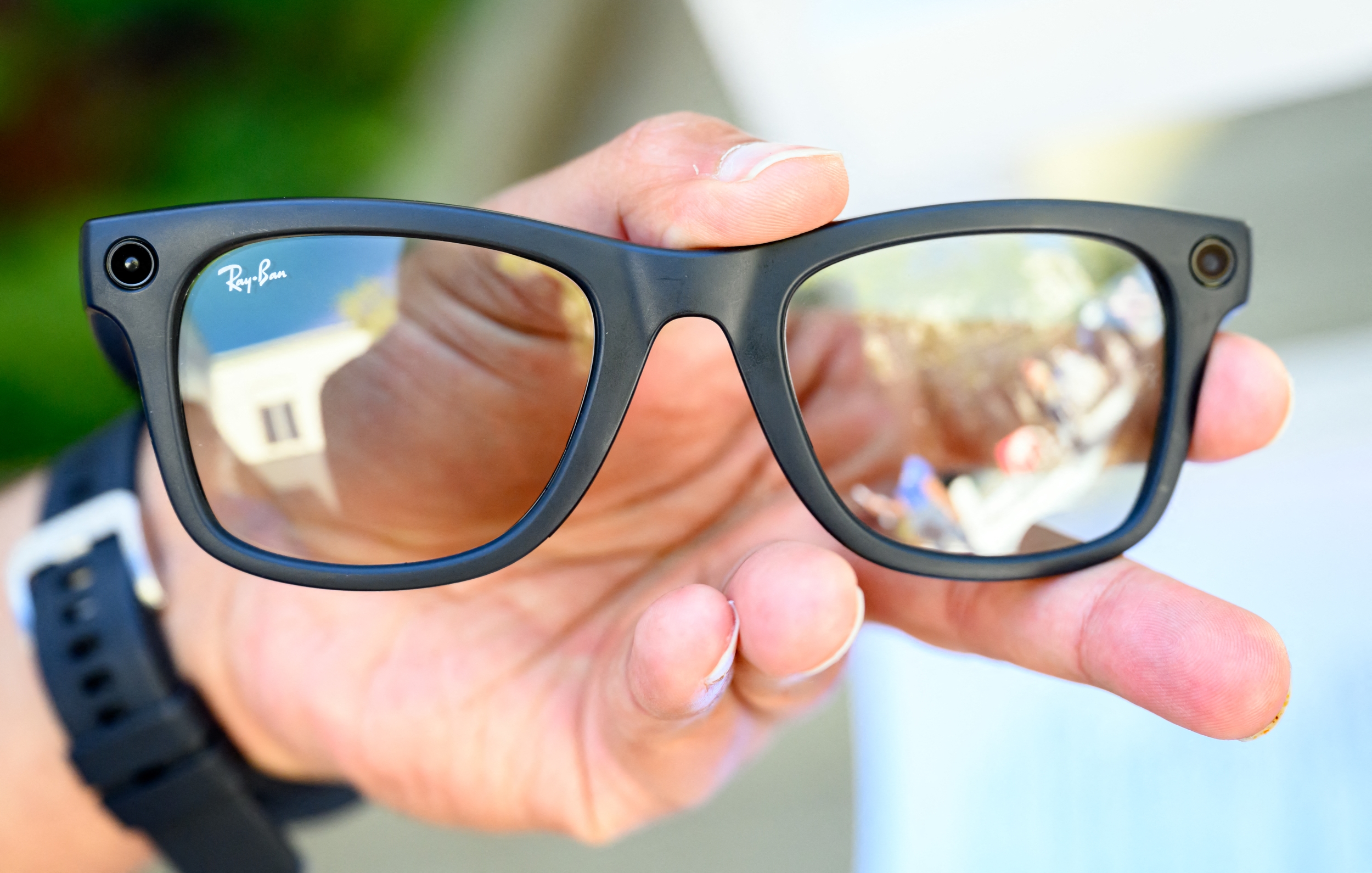
Meta’s AI-powered glasses may look like ordinary eyewear, but the cameras built into them have become a growing source of discomfort for people who never agreed to be recorded. Dutch groups have asked a court to halt sales of the Ray-Ban-branded glasses in the Netherlands, arguing the devices make it too easy to film someone without that person ever knowing it happened (via Reuters).
The case was filed with the Amsterdam District Court, where a hearing took place on Thursday. The groups behind the legal action argue that the glasses violate European privacy laws because they let wearers capture photos and video of people in public and private settings without any clear or reliable way for those being filmed to know a camera is active.
This is not the first time Meta’s smart glasses have drawn scrutiny in the Netherlands. In October, Dutch eyewear retail chain Hans Anders pulled the glasses from its stores in the Netherlands and Belgium, citing ongoing public and political debate over the technology. That decision made Hans Anders one of the first retailers anywhere to take such a step on its own.
The legal challenge was brought by Consumentenbond, the country’s largest consumer association, along with Offlimits, a group that campaigns against online abuse. A second organization called The Firewall also joined the effort against Meta. Together, the groups want Meta to stop people from using the glasses to record others without consent, and they want the company to stop feeding that captured footage into its AI training systems.
The groups are also seeking financial penalties if Meta does not comply with any order the court hands down. Reports have placed that figure at 100,000 euros per day for each defendant named in the case, with a cap set at 100 million euros.
If the court sides with the groups, Meta would reportedly need to make the required changes within two weeks.
Lawyers representing Offlimits argued in court that the glasses could be used to capture people in sensitive locations, including changing rooms, swimming pools, hospitals, hotel rooms, and even playgrounds. One lawyer representing Offlimits used the term “creep shots” to describe how the glasses have reportedly been misused.
Meta has pushed back against these claims. The company argues that a small recording light built into the glasses already alerts bystanders when footage is being captured, and that manufacturers should not be held liable for every way a product might be misused once it reaches the public.
EssilorLuxottica, the eyewear company that manufactures the Ray-Ban branded glasses alongside Meta, has also said that it does not process or access footage captured by the devices and that a full sales ban would be a disproportionate response.
Beyond the question of covert filming, DigitalTrends said that the groups bringing the case have raised concerns about what happens to images and video once they are captured. Consumentenbond has alleged that footage recorded using the glasses, including images of unsuspecting women and girls, has shown up on sites associated with non-consensual sharing and on messaging platforms such as Telegram.
The consumer association also claims that Meta uses this kind of captured footage to train its artificial intelligence models, something the groups say would represent a further violation of European data protection rules. Meta has denied these particular claims, stating in court that it does not process images recorded by the smart glasses in Europe or use them for AI training in a way that would break European law.
Consumentenbond has said it wants an exception written into any ruling for cases of medical necessity, noting that people who are blind or have limited vision can benefit from AI-equipped glasses that describe their surroundings. The group has indicated it would support continued access for that group of users even if a broader ban on general sales moves forward.
A judge at the Amsterdam District Court is expected to rule on the case by December 24 at the latest, according to reporting on the hearing. Some outlets have described the expected timing more broadly as mid-December, though the outer deadline tied to the case points to a decision before Christmas.
Until that ruling comes down, Meta’s smart glasses remain available for purchase in the Netherlands through other retailers. The case adds to a wider pattern of scrutiny facing camera-equipped wearables, with similar concerns already surfacing in schools, cinemas, and other public venues across multiple countries. Germany’s consumer federation has also moved forward with its own legal action against Meta and Ray-Ban over similar concerns.
Meta also faces proposed class action lawsuits in the United States connected to allegations that private images captured through the glasses were shared improperly. Whatever the Amsterdam court decides, the broader debate over how camera-equipped wearables should be regulated appears far from settled.
Meta Ray-Ban smart glasses are a line of camera equipped eyewear built in partnership with EssilorLuxottica, the parent company of the Ray-Ban brand. The glasses look like standard sunglasses or prescription frames but include built in cameras, microphones, and speakers, along with access to Meta’s AI assistant. Wearers can use the glasses to take photos, record video, listen to music, make calls, and ask an AI assistant questions about what they are seeing, all without needing to hold a phone.
The main concern centers on how easily the glasses blend into ordinary eyewear, making it hard for people nearby to tell whether they are being recorded. While the glasses include a small light meant to indicate when recording is active, critics argue that this indicator is not always visible or reliable enough to warn bystanders in real time. Dutch groups bringing the current case have also raised concerns that footage captured through the glasses has ended up on sites tied to non consensual image sharing, and that Meta may use some of this footage to train its AI systems without proper consent.
The Netherlands is not alone in scrutinizing Meta’s smart glasses. Germany’s consumer federation has filed its own legal action against Meta and Ray-Ban over similar privacy concerns. In the United States, Meta faces proposed class action lawsuits connected to claims that private images gathered through the glasses were shared improperly. Dutch privacy regulators have also previously advised consumers against buying smart gl