Trump administration proposes sweeping Section 301 tariffs on China, EU and 13 other trading partners

November 25, 2026:

Trump administration proposes sweeping Section 301 tariffs on China, EU and 13 other trading partners

The Trump administration proposed a sweeping new round of import duties on Wednesday designed to curb subsidized foreign manufacturing overcapacity and rebuild tariffs that the Supreme Court struck down in February.

Pursued under Section 301 of the Trade Act of 1974, the trade actions target 14 major economies following an eight-month unfair trade practices investigation, alongside a separate tariff escalation aimed squarely at Brazil.

Under the 14-economy overcapacity plan, Washington proposed new tariffs of up to 20% on Chinese goods—a rate that remains within the second-term cap negotiated under a year-old bilateral trade truce set to expire Jan. 10. Those duties would stack on top of roughly 25% in tariffs imposed during Trump’s first term, though about $30 billion worth of Chinese imports being weighed for tariff reductions under a bilateral process are excluded.

A senior U.S. official told Reuters that the broader overcapacity levies will stay within ceilings established by trade agreements signed with the administration, rather than imposing an across-the-board hike. Those limits include a 15% cap agreed to by the European Union, Japan, South Korea and Taiwan, as well as a 19% cap agreed to by Malaysia.

US FOOD IMPORTER SUES TRUMP ADMINISTRATION OVER 50% TARIFFS ON CANADIAN GOODS

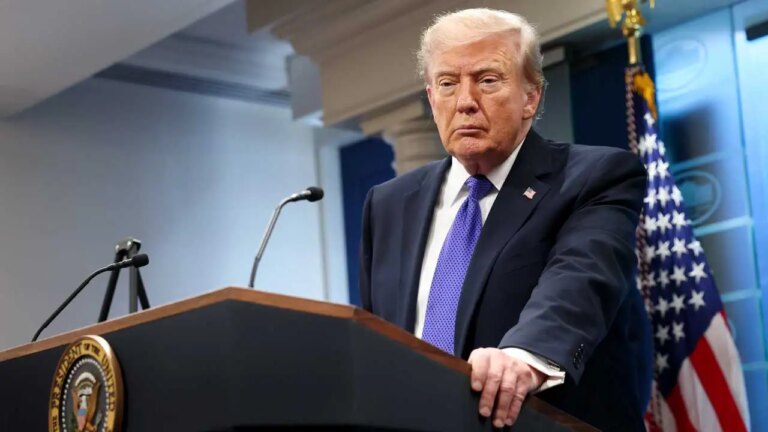
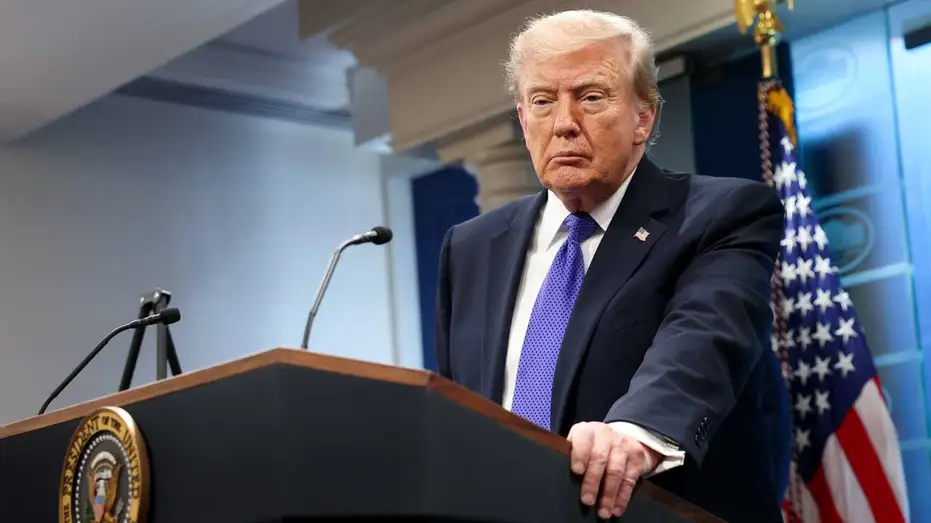
President Donald Trump

President Donald Trump listens during a news briefing at the White House on Nov. 20, 2026, in Washington, D.C.  (Kevin Dietsch/Getty Images)

In addition to China, the EU, Japan, South Korea, Taiwan and Malaysia, the proposed overcapacity tariffs cover India, Vietnam, Thailand, Singapore, Indonesia, Cambodia, Bangladesh and Switzerland, the official said. Mexico and Norway are excluded for now, and the new duties will not stack on top of 10% or 12.5% tariffs imposed in July on 60 trading partners over enforcement of anti-forced-labor laws.

In a separate formal notice released Wednesday, U.S. Trade Representative Jamieson Greer proposed modifying an existing July 2026 Section 301 action against Brazil after bilateral trade talks stalled and Brasilia took legal steps to retaliate.

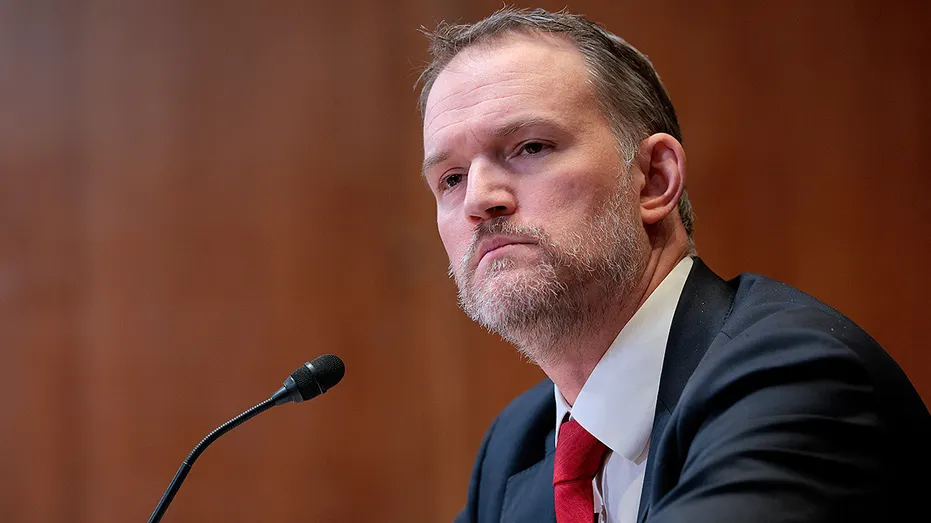
U.S. Trade Representative Jamieson Greer testifies on Capitol Hill.

U.S. Trade Representative Jamieson Greer testifies before the Commerce, Justice, Science, and Related Agencies Subcommittee on Capitol Hill in Washington, D.C., on Dec. 9, 2025. (Chip Somodevilla/Getty Images)

Greer proposed eliminating an exemption for Brazilian finished aircraft—the country’s fourth-largest export to the U.S.—by imposing a 10% tariff, while increasing duties on out-of-quota raw and refined sugar imports on a nondiscriminatory basis to prevent Brazilian exporters from backfilling third-country sugar markets.

“After over a year of talking, Brazil has made no meaningful progress toward addressing the harmful trade practices that undercut the competitiveness of American farmers, workers, innovators, and businesses,” Greer said in a statement.

Beijing pushed back against the overcapacity allegations on Wednesday while stopping short of announcing immediate retaliatory measures.

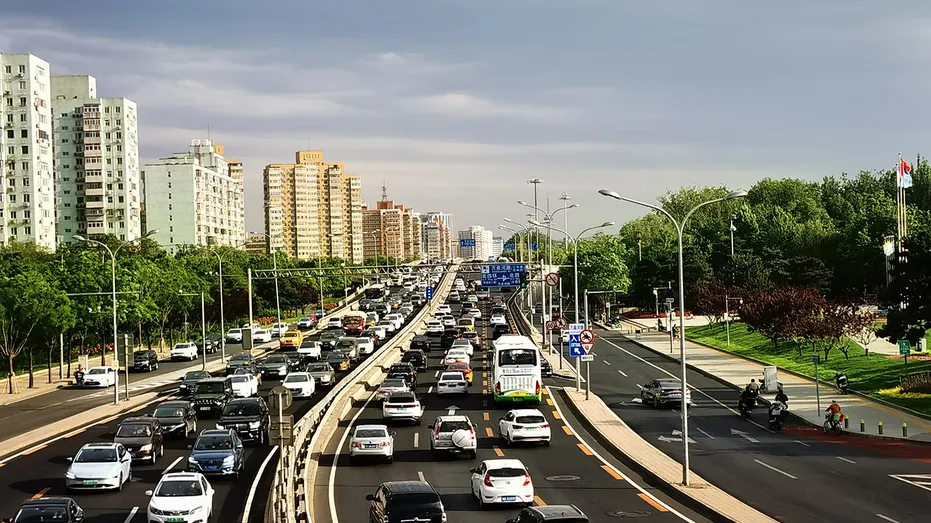
beijing

Traffic is flowing at sunset in Zhongguancun, Haidian District, in Beijing, China, on May 14, 2024. (Costfoto/NurPhoto via Getty Images)

“The so-called issue of ‘industrial overcapacity’ does not really exist and should not be used as a pretext for political manipulation,” Chinese Foreign Ministry spokesperson Guo Jiakun said at a regular press conference, adding that tariff wars and trade wars “serve no one’s interests.”

CLICK HERE TO GET FOX BUSINESS ON THE GO

Both tariff proposals must undergo a public notice and comment period before taking effect. Written comments on the Brazil modification are due Dec. 30 ahead of a Jan. 14 public hearing, while the review and hearing process for the broader overcapacity duties could push final implementation into January.

Reuters contributed to this report. 

Source link