From Berlinale Short to Donnie Darko Successor: Giovanna Molina’s Kismet Is Already Building Its Mythology

November 18, 2026:

From Berlinale Short to Donnie Darko Successor: Giovanna Molina’s Kismet Is Already Building Its Mythology

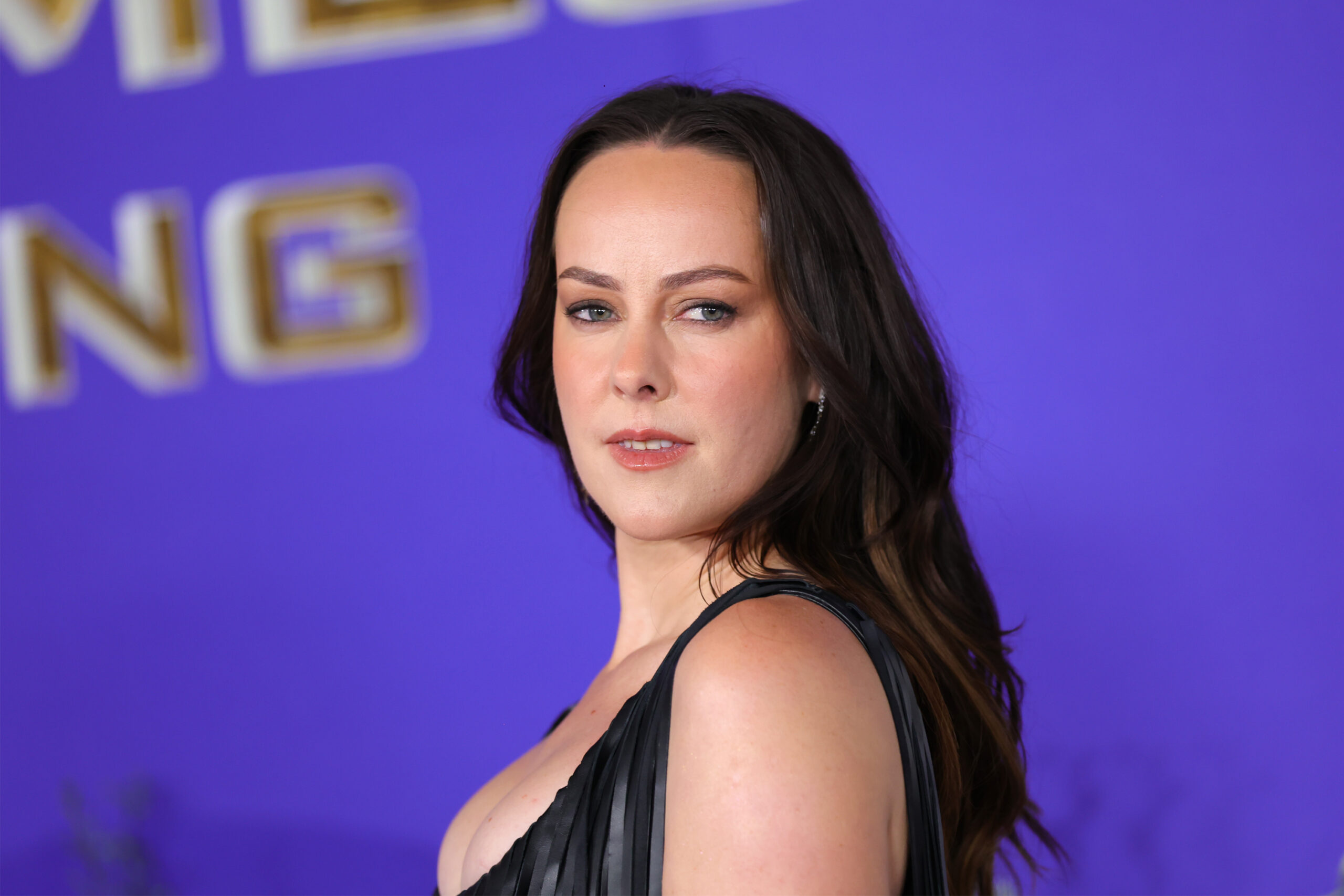
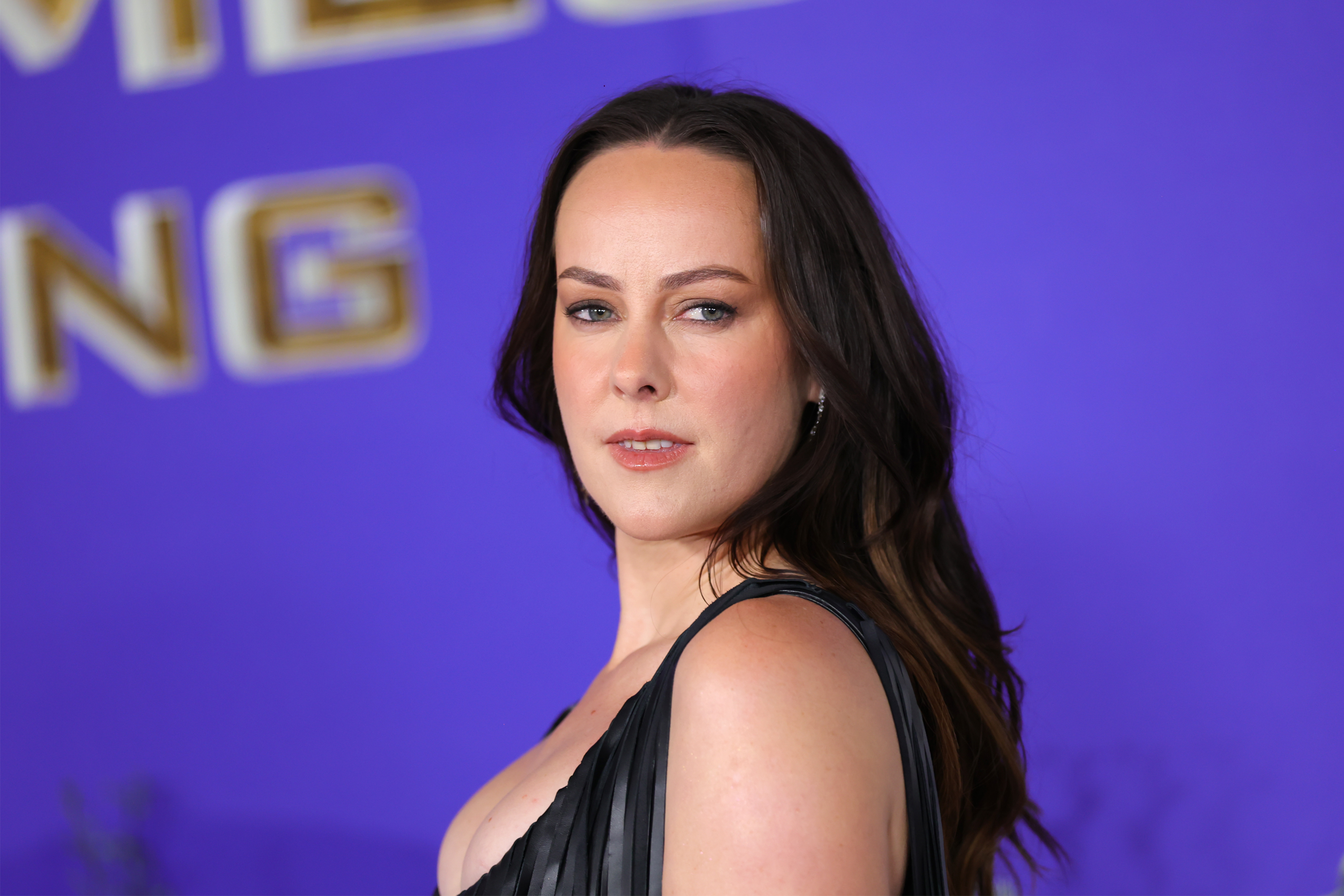
The casting decision was never accidental. When Dread Central confirmed via a Deadline exclusive that Jena Malone — the actress whose performance as Gretchen Ross helped Richard Kelly’s Donnie Darko become a generational cult touchstone in 2001 — had finished shooting Kismet, the deliberateness of that choice became the story. Molina describes her debut feature as Donnie Darko refracted through a female lens. Casting the actress who gave that original film its emotional spine is not coincidence; it is the thesis.

In a festival landscape hungry for elevated genre films centered on young women, that mythology-building from day one could carry significant weight on the circuit circuit ahead.

Alien Possession as a Survival Mechanism

The film’s premise lands somewhere between psychological horror and intimate character study. After her parents’ separation upends her world, Mortera’s character — a quietly withdrawn tween named Stella — returns from the ocean insisting she is no longer herself. An alien entity, she says, now inhabits her body, and the girl who once existed is gone. Per the confirmed production details, Kismet does not frame this as a conventional invasion story. The extraterrestrial claim functions instead as psychological armor — a dissociative mythology Stella constructs to wall herself off from grief she cannot otherwise process.

That interior architecture is precisely the kind of surrealist metaphor that defined Donnie Darko‘s cultural power. Where Kelly used time travel and supernatural dread to externalize adolescent male alienation, Molina angles the same grammar toward female interiority and emotional survival — a reorientation that reflects a broader generational shift in genre filmmaking.

The Director Who Earned This Moment

Giovanna Molina is a Mexican-Italian-American filmmaker from Brooklyn, now based in Los Angeles, who has spent her short-film career excavating female coming-of-age experiences through surrealism and estrangement. Her short Hickey portrayed the repression endured by teenage sisters inside an Evangelical Christian household. Quaker, her most recent short, earned a world premiere at the 2025 Berlinale’s Generation section, where it played alongside a global program of coming-of-age cinema.

Kismet is her first feature — but it arrives with serious credentialing already in place. The screenplay’s selection for Wscripted’s 2024 Cannes Screenplay List, presented by MUBI, planted an early marker of industry attention before a single frame had been shot.

Molina spent part of her childhood on Fire Island, lending the off-season setting — emptied of summer visitors, quietly strange at the edges — a biographical texture that rarely survives when directors work at a distance from their subject matter. That personal grounding shows in the material: the island’s isolated geography and its unpredictable coastal atmosphere mirror the psychological terrain of a child who has decided to become someone else entirely.

A Cast Deepened by Indie Pedigree

Beyond Malone’s deliberate Donnie Darko symmetry, the film casts Suzanna Son, who broke through opposite Simon Rex in Sean Baker’s Red Rocket (2021), earning widespread recognition for a performance that announced her as a distinctive indie presence. The two anchor an ensemble that also includes Elliot Villar, Riley Vinson, Zuzanna Szadkowski, Matthew Sean Blumm, Marta Pozzan, Caitlin Hagney, David Staats, and Lorena Ramos.

Producing alongside Molina are Zoey Pressey, Alexander Spenser Gould, and Nuer Taqa.

Why the Festival Circuit Should Be Paying Attention

Malone has spoken publicly about her preference for working alongside first-time directors — a creative philosophy that runs through her independent filmography from Sundance appearances through her current slate. Her presence here does not function as a commercial endorsement; it registers as a creative one. When an actress with her history of championing debut filmmakers attaches to a project, it signals something about the material’s quality before any public screening.

The Donnie Darko comparison Molina has invited will operate as both asset and liability. It sets a high benchmark of expectation while guaranteeing that every critic and programmer who carries affection for Kelly’s film will approach Kismet with genuine curiosity. If Molina’s feature can hold its own against that frame — channeling female grief and supernatural estrangement the way Kelly channeled suburban paranoia and adolescent dread — the festival run writes itself.

No distributor or release window has been announced. With principal photography now complete, the question turns to whether Kismet surfaces at Sundance, SXSW, or Tribeca in 2027.

Source link