November 17, 2026:


In 2000, the United States achieved a remarkable public health milestone: eliminating the continuous spread of measles within our borders. For 26 years—through Republican and Democratic administrations, pandemics, wars, and recessions—that achievement stood.
Now, it is gone.
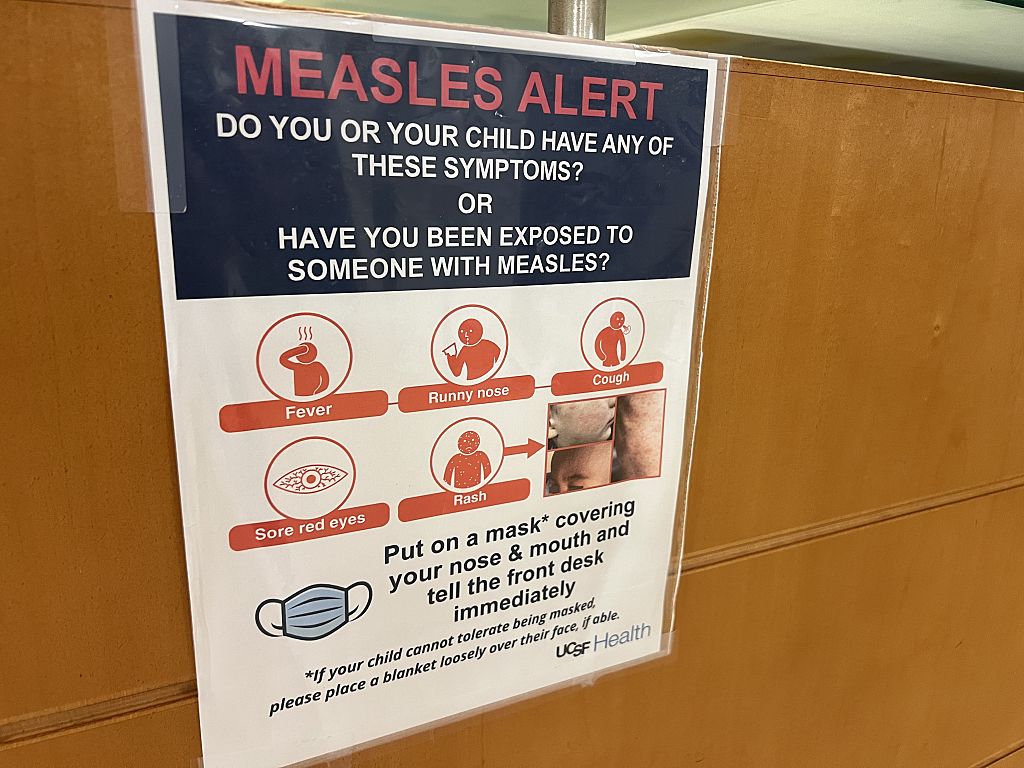
The Pan American Health Organization (PAHO) has officially stripped the United States of its measles elimination status after a resurgence of cases infecting more than 7,000 Americans over the past two years. Measles is once again considered endemic in America.
U.S. Health and Human Services Secretary Robert F. Kennedy, Jr. and other high-profile merchants of doubt bear substantial responsibility. For years, they have deliberately spread false, harmful ideas about vaccines that have undermined both the public’s trust and the policies that promote access and uptake. The combination has contributed to a notable decline in vaccination rates.
But anti-vaccine influence alone doesn’t explain how America got measles again. For one thing, pro-vaccine voices haven’t fully adapted to a time when most parents have never encountered diseases that immunizations now prevent. Unless we make a greater effort to understand how Americans think today about childhood vaccines, and use the right language to explain why protection still matters, the resurgence of measles will sadly continue.
Measles is one of humanity’s most contagious diseases. Prior to the vaccine, nearly every child in America got infected. While most infections resolve without complications, the virus can hit some kids hard. In the 1950s and early 1960s, millions of cases, tens of thousands of hospitalizations, and hundreds of deaths were common every year. Everyone knew so-called “sickly” children who were prone to illness and struggled to recover. Few realized the cause was “immune amnesia,” in which measles can wipe the memory of a child’s immune system.
When the vaccine came out in 1963, uptake was initially slow because many parents considered measles a childhood rite of passage. To increase the sense of urgency, policymakers and public health officials launched a three-part strategy: make the measles vaccine easy to get, help people understand how it benefits children and communities, and require it for school enrollment.
The combination worked. In 1963, the U.S. documented more than 385,000 measles cases. Just five years later, thanks to the shots, cases declined by more than 90%.
Those strategies adapted as circumstances changed. For example, a measles resurgence in 1989 prompted Congress to create the Vaccines for Children program, ensuring that uninsured children could get vaccinated for free. Vaccination rates soared. By the time measles was declared eliminated in our country in 2000, the U.S. was down to 100 cases a year.
But this extraordinary success created a new context that medical and public health fields have never fully confronted.
As measles virtually disappeared, so too did Americans’ firsthand experience with it. Parents who lived through the discomfort, disruption, and danger of measles gave way to generations who never encountered it. Warnings that were once relatable became abstract. Reasons for vaccination that once resonated no longer did.
Research from FrameWorks, a nonprofit that studies how people think and talk about social issues, shows that these challenges remain. Our organization has conducted interviews, focus groups, surveys, and message testing about vaccines with more than 13,000 Americans since 2021. The findings show that benefits of vaccines feel invisible, while common side effects and rare adverse reactions are top of mind. Bland reassurances that vaccines are “safe and effective” don’t do enough to dispel discredited but persistent claims, such as that the measles vaccine causes autism.
Our research points to other common persuasive techniques that don’t work. For example, “myth-busting”—repeating falsehoods in order to debunk them—makes misconceptions more familiar, which makes them feel true. Telling concerned parents to “trust the science” can come across as condescending or elitist. It hardens vaccine skepticism or outright resistance.
Pro-vaccine advocates need to change our framing, both in public discourse and in the conversations that health officials, doctors and nurses have with parents. Trying to prove that other people are wrong backfires. So does dismissing people who express skepticism or concern. The better approach is to simplify the science that supports vaccination, and use language that people will understand about why they matter for all of us.
FrameWorks is partnering with the American Academy of Pediatrics to support physicians and advocates in communicating more effectively. Three specific strategies have emerged from our message testing that are especially promising:
Rather than focusing on the bad outcomes vaccines prevent, it helps to focus on the good outcomes vaccines provide. Make the benefits easy to visualize by talking about vaccines giving children the chance to attend school, play with friends, and explore their world. Every parent, regardless of their vaccine attitudes, wants that for their child. Build on that common ground.
As vaccination has become more politicized, previously tried-and-true supporting points have started to sound to people like partisan talking points. Instead of turning up the volume on facts that now fall flat, a little creativity goes a long way. Shift from defending vaccine safety to explaining that kids’ immune systems are primed to learn. Share the insight that children’s immune systems develop in ages and stages, and each vaccine is carefully timed to when the immune system responds best.
Most people know and believe that widespread immunization keeps contagious diseases from getting a foothold in a community. Yet they’re increasingly likely to encounter false, fear-based messages warning them to opt out. To balance the discourse, advocates for vaccines need to emphasize “community immunity.” For this to work, it’s important not to blame unvaccinated people for outbreaks or mock hesitant individuals.
Our country eliminated measles once before, and we can do so again. The challenge now is persuading a small but significant share of parents and policymakers to embrace the vaccines that made the achievement possible. There is an extraordinary story to tell about what vaccines can do. Let’s tell that story the right way.