November 16, 2026:


The World Health Organization’s first adult type 1 guidelines, announced Nov. 14 for World Diabetes Day, call human insulin an appropriate and effective option. WHO’s publication page says both human insulin and analogs may be used, with human insulin preferred for its generally lower cost. Novo Nordisk, a major insulin maker, told Reuters it is phasing out human insulin pens in November 2024 and will sell that insulin only in vials.
For the 9.5 million people living with type 1 diabetes worldwide, and the health ministries that buy their insulin, the guideline raises a question its announcement does not settle: whether the recommended insulin will reach patients in a form they can dose accurately, with a reliable way to check their blood sugar.
WHO strongly recommends multiple daily insulin injections, with doses adjusted to blood glucose readings, a regimen that depends on steady insulin supply and frequent glucose checks. Patients, clinicians and procurement officials can use the guideline’s wording to ask what is actually being supplied, and in which format.
The news release says other types of insulin can be used when needed. It quotes Søren Brostrøm, WHO’s director of noncommunicable diseases and mental health: “Insulin is a lifesaving treatment, discovered more than 100 years ago.”
WHO’s news release does not itemize the individual recommendations. A news summary by The South First reports 14 recommendations, one strong and 13 conditional, meaning decisions should account for circumstances, resources and patient preferences. According to that summary, the conditional items include considering ultra-rapid-acting mealtime analogs, a once-daily long-acting analog at a time the patient prefers, insulin pens over syringes, and blood glucose checks at least three times a day.
That is a broader opening for analogs than WHO’s earlier guidance. WHO’s 2018 guideline on insulin type recommended human insulin for adults with type 1 diabetes, a strong recommendation, low-quality evidence, and suggested long-acting analogs only for people with frequent severe hypoglycemia on human insulin, a weak recommendation. The summary of the 2026 guideline lists no such restriction.
A Novo Nordisk spokesperson told Reuters that human insulin pens will be phased out over time and human insulin will be available only in vials, and the company declined to give a timeline. Analog insulin pens will continue, and in wealthy nations such as the United States most people with diabetes already use analogs, while in low- and middle-income countries human insulin is more common.
Médecins Sans Frontières (MSF) and T1International criticized the move, and MSF’s double standard criticism argues that patients in richer countries keep analog pens while others get vials. An MSF survey with T1International found 82% prefer insulin pens over syringes for dosing accuracy, ease and reduced stigma. Novo Nordisk said the pens it uses for human insulin differ from those used for its Wegovy and Ozempic injections, though Reuters noted the delivery devices are similar.
Regulators are tracking the change. Australia’s Therapeutic Goods Administration lists Protaphane and Actrapid Penfill cartridges as expected to be discontinued in December 2026, with vials remaining, and says no Levemir (insulin detemir) is expected on the market from 2027. Levemir is a long-acting analog, the type behind the strongest hypoglycemia result in the Cochrane review discussed below.
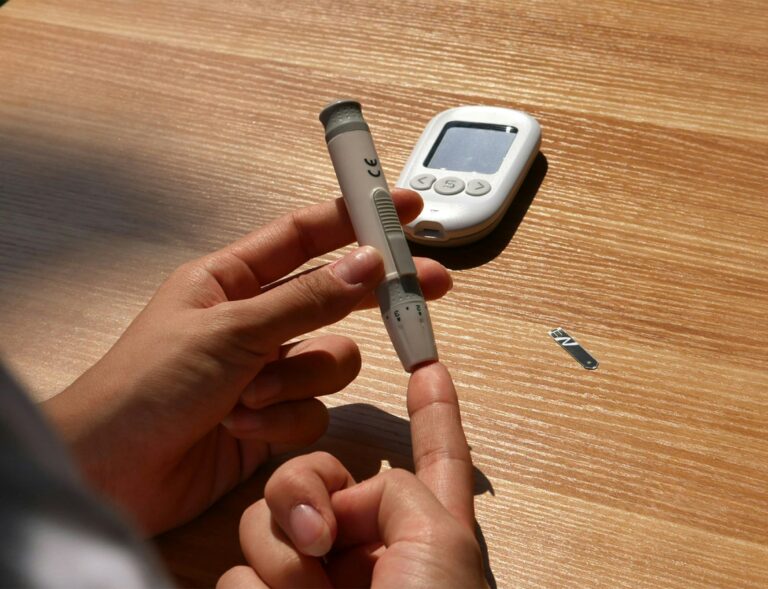
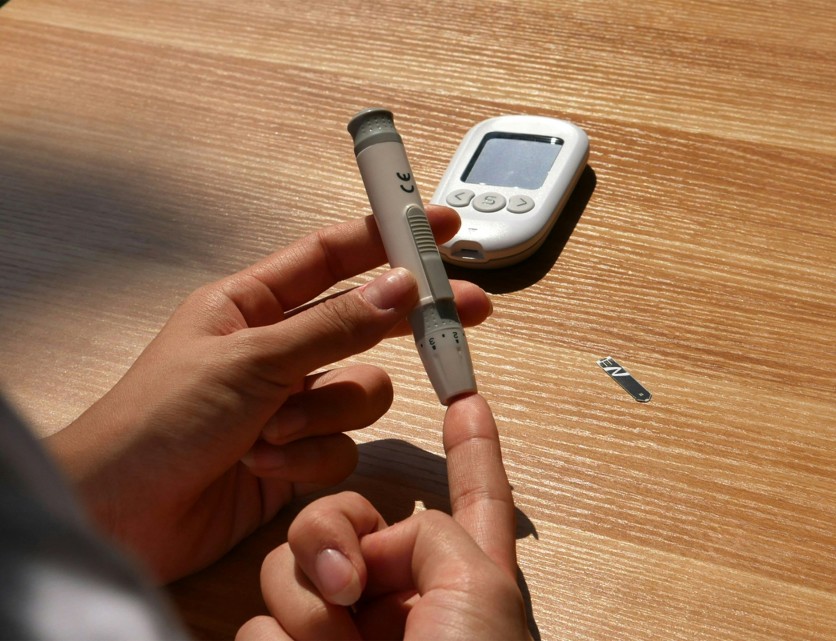
WHO recommends regular glucose monitoring: a periodic blood test reflecting average blood sugar over the past few months, plus finger-prick checks or a continuous glucose monitor at home. Where blood glucose testing is not available, urine glucose testing can be considered.
The limit is stated in laboratory guidance. Laboratory-analysis guidelines for diabetes say semiquantitative urine glucose tests cannot distinguish normal blood glucose from hypoglycemia, and recommend against routine use in diabetes care. For someone injecting insulin several times a day, a low is the acute risk, and a urine strip cannot show it.
The South First summary also reports a target of 7% or lower (53 mmol/mol) for the blood test that reflects average glucose, known as HbA1c, in most adults with type 1 diabetes.
Human insulin is made with recombinant DNA and has the same amino-acid sequence as the body’s own hormone. Analogs are genetically engineered to change that sequence so the insulin absorbs faster or lasts longer.
Whether that difference matters clinically is contested. A Cochrane review of long-acting analogs found severe hypoglycemia in 8.5% of people on the analog detemir versus 11.5% on the older human insulin NPH, with moderate-certainty evidence. For glargine, the figures were 10.2% versus 12.5%, and the confidence interval includes no difference. The ADA and EASD consensus report on adult type 1 diabetes states that analogs cause less hypoglycemia than human insulins, and lists “most costly insulins” as a drawback of regimens using long-acting analogs.
Cost is the counterweight. A 2018 BMJ Global Health analysis estimated that biosimilar regular human insulin could be sold at $48 to $71 per patient per year, versus $78 to $108 for glargine. WHO added long-acting insulin analogs to its Essential Medicines List in 2021, which T1International called a monumental win.
A 2026 T1International petition to WHO, signed by more than 250 people in countries including the United States, India, Pakistan, Brazil, Ghana and Kenya, asks WHO to make both insulin analogs and insulin pens a standard of care for everyone with type 1 diabetes. WHO’s guideline, according to the news summary, lists pens only as an option to consider and keeps human insulin as the cost-based preference, which leaves the petition’s request only partly met.
The disagreement is partly about evidence and partly about money. WHO’s 2018 reasoning weighed cost-effectiveness and equity alongside the strength of evidence. T1International argued in 2021 that listing analogs sends governments a signal that they are essential, and WHO said prequalification can bring more biosimilars to market and bring prices down.
Type 1 diabetes is an autoimmune disease in which the immune system destroys insulin-producing cells. WHO’s World Diabetes Day page says it can develop at any age and is frequently missed or misdiagnosed, particularly in adults.
WHO says about 500,000 people were newly diagnosed in 2025, on top of the 9.5 million living with the condition. WHO’s diabetes page also lists a separate first guideline for children and adolescents up to age 19, dated Nov. 13.
The practical reading for all readers is the same. WHO’s guideline backs multiple daily injections and accepts human insulin as effective, but whether it helps depends on supply. Ask whether the insulin arrives in pens or only vials, whether blood glucose strips or sensors are funded, and whether urine testing is a last resort, because it cannot detect a dangerous low. For adults who have frequent severe lows on human insulin, 2018 WHO guidance already pointed to long-acting analogs, and the Cochrane data show why clinicians weigh that choice.
The manufacturing processes are similar, but the active ingredient is priced differently: the 2018 BMJ Global Health analysis put the price of regular human insulin ingredient at $24,750 per kilogram (about $11,226 per pound) versus $68,757 per kilogram (about $31,188 per pound) for glargine, in a market where three originator companies control 96% of global volume.
No. A guideline advises clinicians and governments, while supply depends on manufacturers, procurement and funding. Novo Nordisk has said human insulin will be available only in vials over time, so the format that reaches patients may differ from the format a guideline suggests.
WHO aims for all people with type 1 diabetes to have access to affordable insulin and blood glucose self-monitoring by 2030. WHO says the new guideline supports that 2030 target and that it will provide tools to track progress.
In type 1 diabetes the body makes little or no insulin, so people depend on injected insulin to survive, and WHO says it cannot currently be prevented. Type 2 is the more common form and occurs when the body becomes resistant to insulin or does not make enough.