SpaceX Falcon 9 Launches Another Classified Space Force Mission Just Six Days After USSF-432

November 12, 2026:

SpaceX Falcon 9 Launches Another Classified Space Force Mission Just Six Days After USSF-432

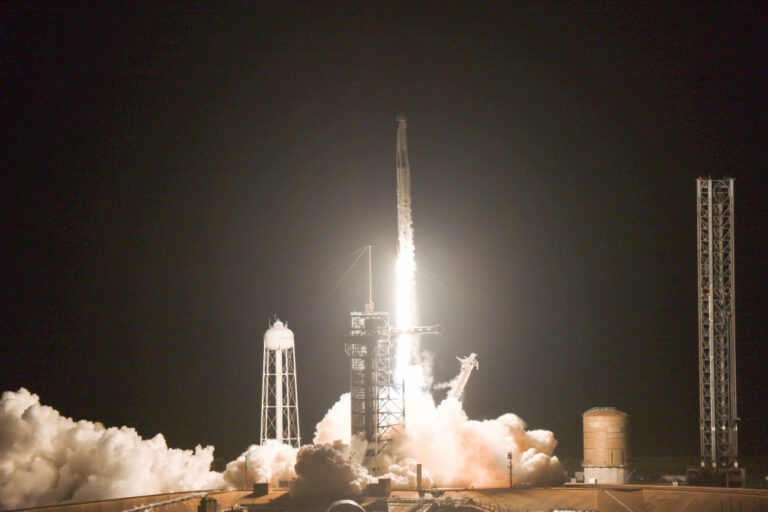
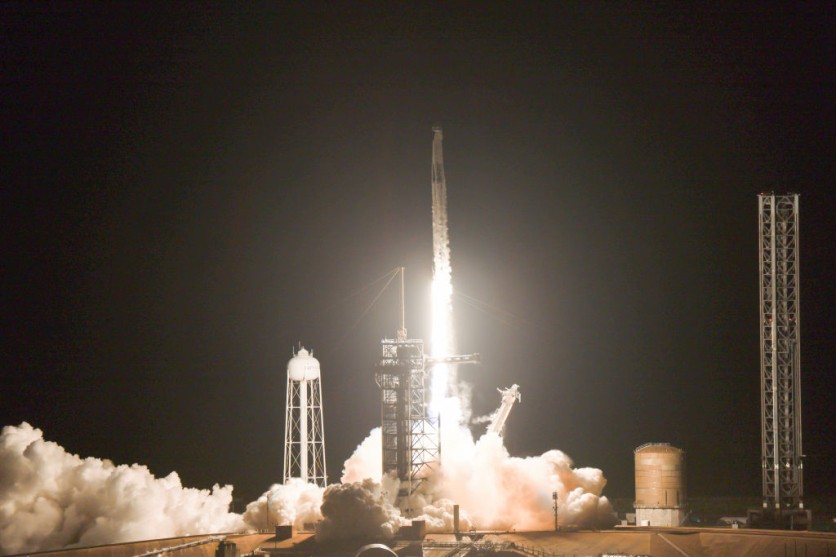
SpaceX has completed another classified launch for the United States Space Force, sending a Falcon 9 rocket into space from California in the late hours of November 11.

Designated USSF-627, the mission serves as the company’s second national security launch within six days.

The launch took place at Vandenberg Space Force Base, where the Falcon 9 lifted off at 11:36 p.m. EST (8:36 p.m. local time in California on November 11, or 01:36 GMT on November 12).

SpaceX Launches USSF-627 From California

SpaceX Nails Another Launch! Optus-X Satellite Shoots into Orbit
Joe Raedle/Getty Images

According to Space.com, the USSF-627 mission began with a Falcon 9 launch from Vandenberg Space Force Base on California’s central coast. The launch site is frequently used for missions requiring trajectories suited to placing satellites into polar and other specialized orbits.

Unlike routine commercial satellite deployments, national security launches often provide limited public information about their payloads, destinations, and operational purposes.

SpaceX did not disclose the specific spacecraft carried aboard USSF-627. The company also ended its launch webcast shortly after the Falcon 9’s first-stage booster returned to Earth, leaving viewers without further details about the mission’s orbital operations.

Despite the limited information, the successful liftoff symbolized another launch in SpaceX’s expanding portfolio of military and government contracts.

USSF-627 Is SpaceX’s Second Classified Military Launch in Six Days

One notable detail surrounding USSF-627 is its close timing with another classified mission.

On November 6, SpaceX launched USSF-432, also from Vandenberg Space Force Base. The two missions took place less than a week apart, making them the company’s second and third recent launches associated with the classified Space Force mission series, respectively.

Public information about both flights remains limited. However, some spaceflight observers have suggested that the missions could involve deploying SpaceX Starshield satellites for the Space Force’s Space-Based Sensing and Targeting portfolio.

This program supports military efforts to identify and track potential targets around the world using space-based capabilities.

It is important to note that the proposed Starshield connection has not been officially confirmed by SpaceX or the U.S. Space Force. The precise payloads and objectives of USSF-627 and USSF-432 remain classified.

What Is Starshield and How Could It Support Military Operations?

Starshield is SpaceX’s government-focused satellite initiative, developed to support national security and other specialized government requirements.

Unlike Starlink, which primarily provides commercial broadband internet connectivity, Starshield is designed around government applications, including secure communications, Earth observation, and other space-based capabilities.

The possible involvement of Starshield in USSF-627 has drawn attention because of the military’s interest in improving its ability to monitor activities across the globe.

Space-based sensing and targeting systems can provide information that helps military organizations maintain awareness of developments in different regions. Such capabilities are particularly relevant to modern defense operations, where timely information and satellite coverage play important roles.

Falcon 9 Booster Completes Its Seventh Mission

Another interesting aspect of the USSF-627 launch was the reuse of its first-stage booster.

The Falcon 9 booster assigned to the mission carried the designation 1103 and completed its seventh flight.

Booster reuse is a central part of SpaceX’s launch strategy. Instead of manufacturing an entirely new first stage for every mission, the company recovers and refurbishes previously flown boosters for subsequent launches.

During USSF-627, the first stage returned to Earth approximately eight and a half minutes after liftoff. It landed on SpaceX’s autonomous droneship, Of Course I Still Love You, stationed in the Pacific Ocean downrange from Vandenberg.

The same recovery procedure was used during the November 6 USSF-432 launch.

Reusable rocket technology allows SpaceX to maintain a high launch frequency while reducing the need to produce new first-stage boosters for every flight.

USSF-627 Marks Falcon 9’s 120th Launch of 2026

The USSF-627 mission also represented the 120th Falcon 9 launch of 2026, demonstrating the rocket’s continued importance to commercial and government space operations.

Of those 120 missions, 15 were national security flights, while 85 were dedicated to expanding SpaceX’s Starlink broadband satellite constellation in low Earth orbit.

Starlink has become a major part of the company’s launch schedule. Its constellation already contains more than 11,000 satellites, providing broadband connectivity across numerous regions.

The remaining missions supported other commercial, scientific, and government-related activities.

Although the Falcon 9 maintained a busy launch schedule in 2026, its flight frequency had not yet matched the previous year’s pace.

SpaceX’s 2026 Launch Pace Compared With 2025

SpaceX conducted 165 Falcon 9 launches in 2025, including 122 dedicated Starlink missions.

The 2026 figure of 120 launches as of USSF-627 shows that the company was maintaining a substantial launch cadence, although it was not yet operating at the record-setting pace achieved the previous year.

The comparison also illustrates how heavily SpaceX’s operations depend on Starlink deployment. A significant portion of Falcon 9 missions continues to support the company’s satellite internet network.

At the same time, national security launches have become another important part of its operations, with the U.S. Space Force relying on commercial launch services to deliver classified payloads into orbit.

Frequently Asked Questions

What is the SpaceX USSF-627 mission?

USSF-627 is a classified national security launch conducted by SpaceX for the U.S. Space Force on November 11, 2026. A Falcon 9 rocket launched from Vandenberg Space Force Base in California.

When did SpaceX launch USSF-627?

The Falcon 9 lifted off at 11:36 p.m. EST on November 11, 2026, corresponding to 8:36 p.m. local California time and 01:36 GMT on November 12.

What satellite did SpaceX launch during USSF-627?

The exact payload has not been publicly disclosed because the mission is classified. Some observers have speculated that it involved Starshield satellites, but this has not been officially confirmed.

What is the difference between Starlink and Starshield?

Starlink is SpaceX’s commercial satellite broadband network, while Starshield is its government-focused satellite initiative designed to support national security and other specialized government applications.

Where was the USSF-627 rocket launched?

The Falcon 9 launched from Vandenberg Space Force Base on California’s central coast.

Did the Falcon 9 booster land successfully after USSF-627?

Yes. The first-stage booster, designated 1103, completed its seventh flight and landed on the SpaceX droneship Of Course I Still Love You approximately eight and a half minutes after liftoff.

How many Falcon 9 launches has SpaceX completed in 2026?

USSF-627 marked the Falcon 9’s 120th launch of 2026. At that point, 85 launches had supported Starlink deployment, and 15 had been national security missions.

Source link