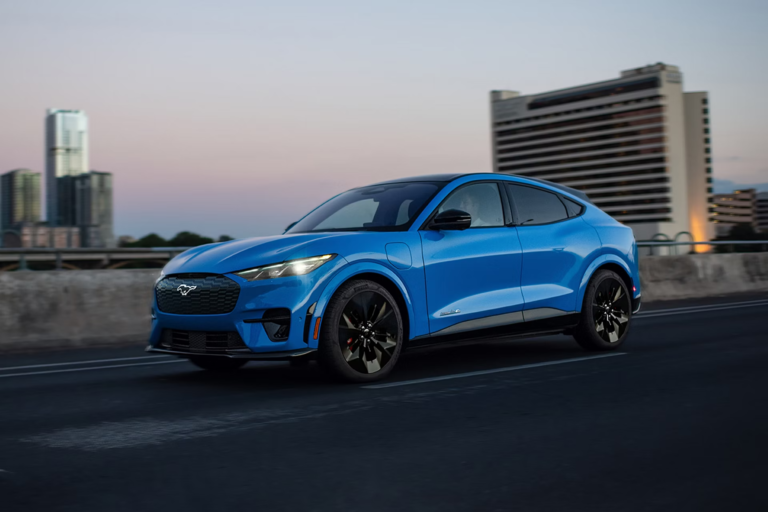
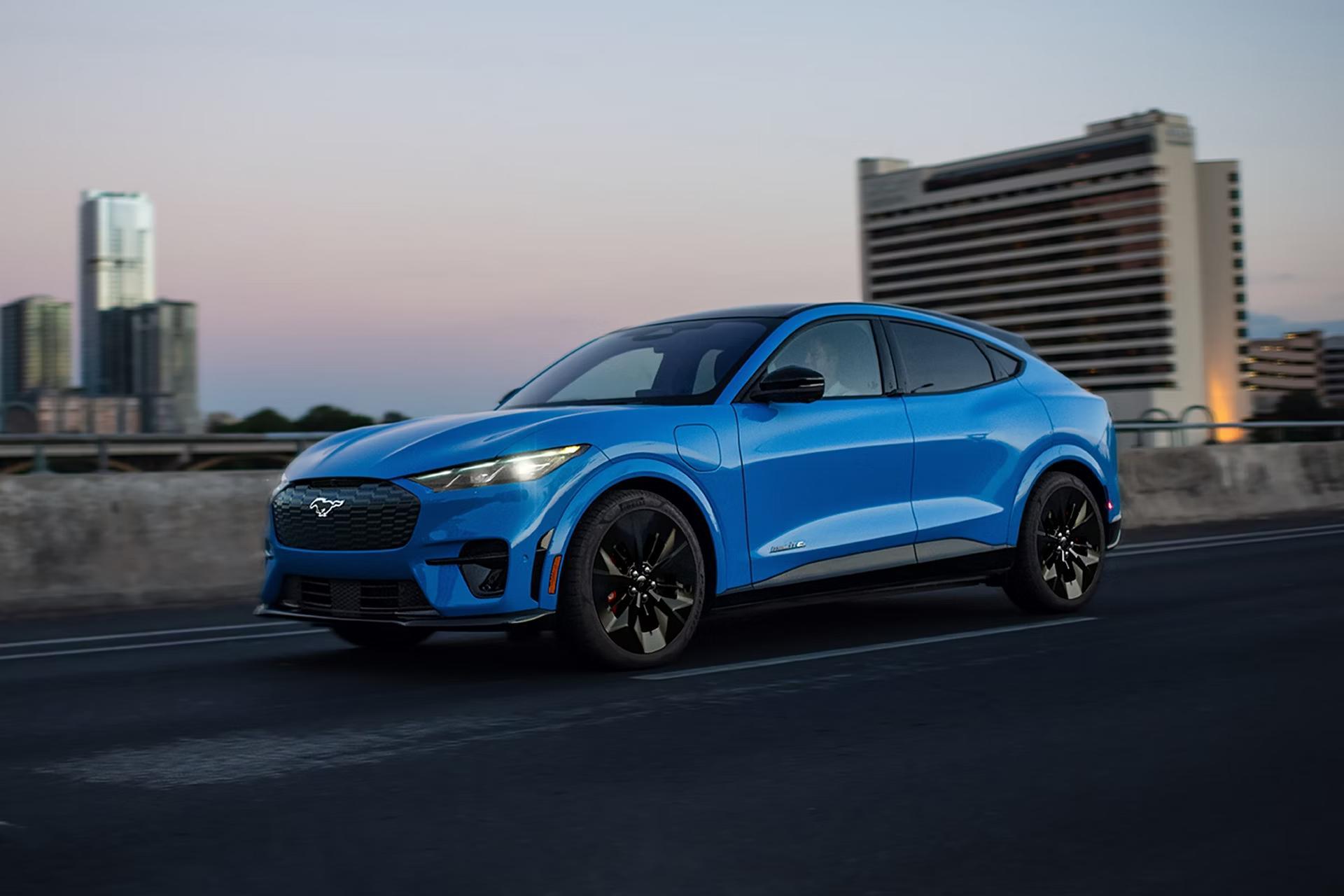
Ford’s Five-Year Mach-E Battery Study Is Out — And the Results Should Reassure Every Used EV Shopper

November 9, 2026:

Ford’s Five-Year Mach-E Battery Study Is Out — And the Results Should Reassure Every Used EV Shopper

A Fleet Study With a Sample Size That Actually Matters

For years, EV battery longevity data has arrived in fragments — owner forums, third-party tracker apps, the occasional enthusiast community pulling real-world readings from their own vehicles. Ford’s new report is a different category of evidence entirely. As reported by InsideEVs, the company drew from the complete first model-year cohort of 2021 Mach-E buyers across North America — roughly 36,000 vehicles — making it one of the most expansive battery health analyses ever published by an automaker for a single model.

Kevin Vander Laan, Ford’s technical lead for high-voltage battery cells and systems, called the five-year snapshot a “report card” and said the numbers “look great.” The dataset covers only NCM (nickel-cobalt-manganese) packs, as Ford did not begin offering lithium-iron-phosphate chemistry in the Mach-E until the 2023 model year.

High-Mileage Numbers That Rewrite the Worst-Case Scenario

A 92% fleet-wide average is already a strong headline. The more striking figures, however, come from the high-mileage tail of the data. Among the more than 2,000 Mach-Es that surpassed 100,000 miles, battery retention held above 91% — essentially matching the broader fleet average despite those vehicles having accumulated double or triple the typical mileage. The 30-plus cars that pushed beyond 200,000 miles landed at an average of 88%, a figure that suggests a slow, steady decline rather than a sudden drop-off at higher odometer readings.

Ford also noted that owners logging roughly 40,000 miles per year continued to show strong battery health across five years, though the automaker did not release a specific percentage for that high-usage segment.

How the Mach-E Measures Up Against Competing EVs

The Ford data gains additional context from independent sources. A September analysis by Aviloo, drawing on more than 500,000 individual battery tests, found most EV models registering between 90% and 94% health at around 93,000 miles. In that dataset, the Mach-E scored 92.5% — ahead of the Tesla Model 3 at 88.9% and the Tesla Model Y at 90.3%, and in the same tier as top performers including the Hyundai Ioniq 5, BMW i4, and Mercedes EQA.

Used-EV analytics firm Recurrent, which uses range-based methodology to measure battery health, found that the average electric vehicle retains 97% of its original range at three years and 95% at five. Range-based figures tend to read higher than raw capacity numbers, but the underlying message is consistent with Ford’s own data: EV battery degradation across the industry is proceeding far more gradually than early skeptics predicted.

Translating 92% Into Real-World Range

Ford converted its fleet average into a practical reference point: a 2021 Mach-E originally rated at 305 miles EPA would carry an estimated 280-mile effective range today. That 25-mile reduction over five years and roughly 55,000 miles is unlikely to alter daily driving patterns for most owners. The 87%–97% band covering 95% of the fleet tells a secondary story: outlier degradation in either direction is uncommon, and only a small fraction of owners sit at the low end of that curve.

The Charging Habits Ford Says Make the Difference

Alongside the data release, Ford published a set of care recommendations designed to protect long-term battery capacity. The company advises owners to park in shaded areas during peak heat, precondition the cabin while still connected to a charger to reduce thermal draw on the battery pack, make Level 2 AC charging the default for everyday use, and reserve DC fast charging for road trips or occasional top-ups rather than routine sessions.

Engineering Lessons Flowing Into Ford’s Next EV Generation

Ford is treating this data as an active engineering tool, not a retrospective exercise. Vander Laan framed the ongoing collection process as “continuous learning,” and the company confirmed that patterns identified in the Mach-E fleet will directly influence the design of upcoming electric vehicles. The most prominent beneficiary is the Ford Fathom, a midsize electric pickup announced in August 2026 with a starting price of approximately $28,350. Pre-orders are set to open in early 2027, with customer deliveries targeted for autumn of that year.

The Baseline the Used EV Market Has Been Waiting For

For anyone sizing up a used Mach-E right now, Ford’s report delivers something the second-hand EV segment has rarely offered: a manufacturer-sourced statistical anchor. First-generation Mach-Es are entering the used market in volume, frequently trading well below original MSRPs as the model’s steep depreciation curve plays out. With a 92% fleet average as a reference point, prospective buyers can redirect their focus from sticker-price discounts to what actually determines long-term ownership value — the condition of the battery underneath the hood.

Source link