Riyadh Missile Debris Damages Aramco Building as Witnesses Dispute Saudi Official Account

November 9, 2026:

Riyadh Missile Debris Damages Aramco Building as Witnesses Dispute Saudi Official Account

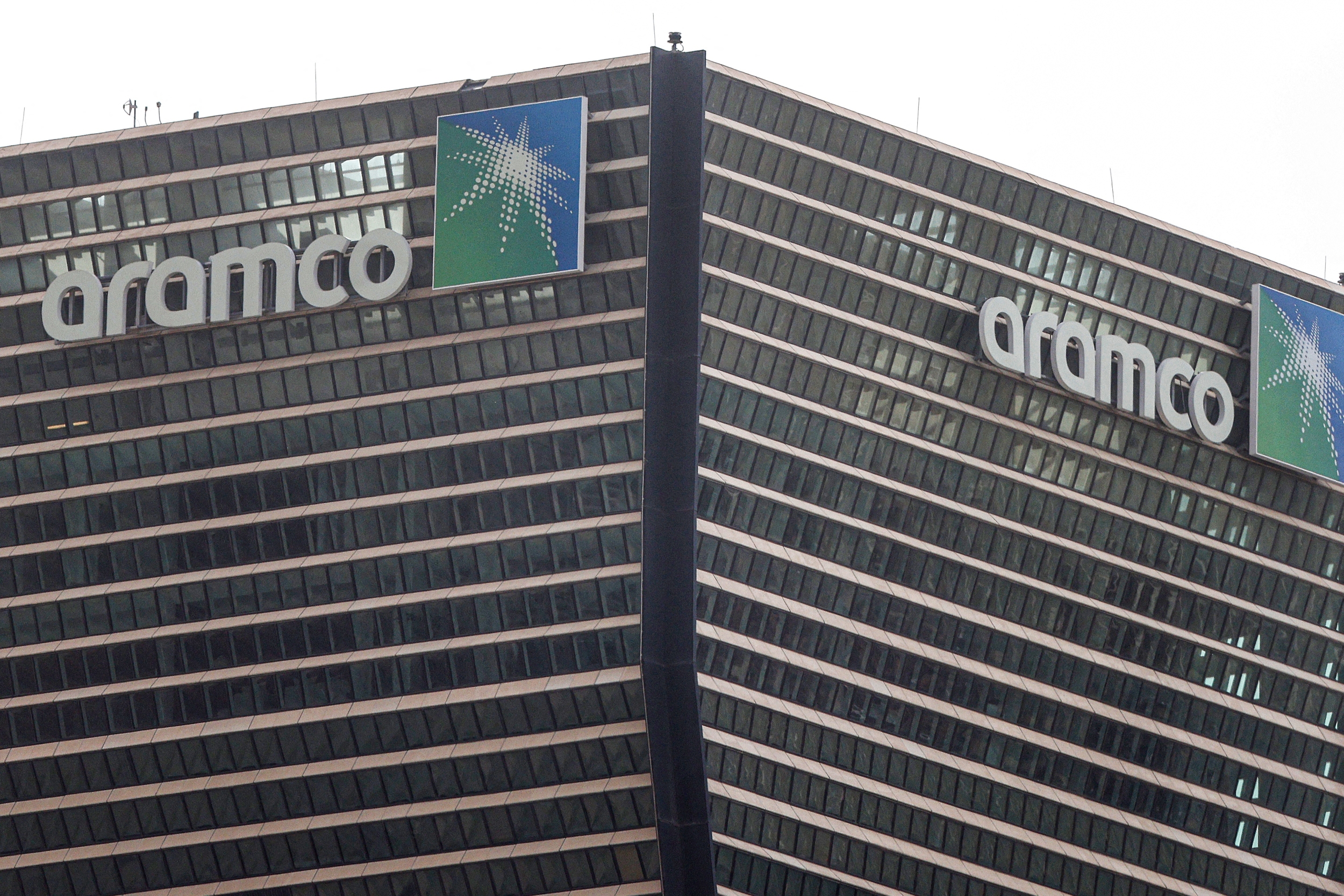
Intercepted missile debris damaged an Aramco office building in Riyadh’s King Abdullah Financial District early Sunday, November 8, after Saudi air defenses intercepted two ballistic missiles and two cruise missiles aimed at the capital and other regions, the Saudi-led coalition said. Saudi officials call the damage minor, but witnesses described heavily damaged floors, and the Associated Press account of the coalition’s statement names no interceptor system.

No casualties were reported, and the coalition said it also intercepted a separate ballistic missile overnight that was headed for Saudi Arabia’s southern region. The coalition blamed the Houthis for the ballistic missiles, but the AP reported no immediate claim of responsibility, noting that the group has claimed similar attacks in the past.

Energy Ministry Calls Damage Minor While Witnesses Describe Heavily Damaged Floors

The Saudi energy ministry called the incident an “attempted attack” and said falling shrapnel caused minor damage to the building, with no casualties. Witnesses who spoke to the AP anonymously, citing security concerns, heard a loud explosion Sunday morning and described damage across multiple floors, some of it heavy and some limited to exterior glass.

That leaves a question the official account does not answer: whether a fragment of an intercepted missile or something that got through struck the building. The coalition’s account says debris, and none of the accounts available includes an independent assessment of the building.

Why Does Wreckage Still Fall After Successful Intercepts?

An intercept turns one incoming missile into a cloud of fragments that still has to come down, and how much damage that cloud does depends partly on how the interceptor kills. A hit-to-kill interceptor uses kinetic energy instead of an explosive payload, and any impact will almost certainly destroy the target. Blast-fragmentation warheads, such as the one on the older PAC-2 Patriot missile, spray a cloud of fragments and do not guarantee a kill.

The newer PAC-3 relies on hit-to-kill but still carries a small explosive lethality enhancer that releases 24 low-speed tungsten fragments. Either way, the target’s wreckage and the interceptor’s own remains fall back toward the ground.

Saudi Arabia operates Patriot batteries used against Houthi missiles since 2015. Debris and stray interceptors over the capital are not new: video from a March 2018 interception over Riyadh reportedly showed one interceptor exploding just after launch and another making a U-turn toward the city. Nothing published on the November 8 attack says which Patriot variant, if any, engaged the missiles or at what altitude.

Riyadh Has Logged Four Debris Incidents Since October 13

On Oct. 13, debris from two intercepted Houthi cruise missiles injured four people in Riyadh, two women, a man and a child, and caused limited damage to 15 homes, Saudi Civil Defense said. The same evening, a Saudi energy ministry official said an Aramco administrative building in Dhahran, in the Eastern Province, was hit, causing a limited fire with no casualties.

On Oct. 27, Civil Defense said debris from two intercepted ballistic missiles damaged a Riyadh building, a construction project and a vehicle, with no injuries. Two days later, Civil Defense said debris from two intercepted ballistic missiles left a citizen with minor injuries and damaged a home and a vehicle in the capital. Sunday’s incident adds an Aramco office building to the list. In every case, officials described the missiles as intercepted.

Airport Strike and Early-Warning Questions Stay Open

The deadliest recent attack hit Riyadh’s King Khalid International Airport on Oct. 10, killing at least 13 people, according to the AP. The missiles and drones flew more than 1,000 kilometers to reach the city, and an anonymous official told the AP that investigators were also asking why air defenses gave no earlier warning.

Reuters separately reported that Saudi Arabia stopped issuing public attack warnings before the airport strikes, with the last publicly documented alert on Sept. 29, and that authorities have not explained why.

Analysts disagree about what the breaches say. Federico Borsari of the Center for European Policy Analysis described interceptor depletion as a “credible explanation” but not the only possible cause, and Freddy Khoueiry of the risk firm RANE said the strikes reflect the limits of even advanced systems rather than a fundamental deficiency, both told Middle East Eye.

Unanswered Questions Remain on Interceptor Type, Altitude and Damage

Three facts would show whether Sunday’s result reflects better defense or a smaller raid: which interceptors fired, at what altitude, and where all the wreckage landed. The coalition statement as reported by the AP addresses none of them.

For residents and workers in Riyadh, the practical lesson is narrower. A report that missiles were “intercepted” describes what happened in the air, not what happens when the pieces reach the ground, and four debris incidents in under four weeks show that gap is real.


Frequently Asked Questions

Can intercepted missiles still hurt people on the ground?

Yes. On Oct. 13, Saudi Civil Defense said debris from two intercepted cruise missiles injured four people in Riyadh, and on Oct. 29 it reported that debris from two intercepted ballistic missiles left a citizen with minor injuries.

Does a successful intercept mean a missile caused no damage?

No. An intercept counts the threat as stopped in the air, but the wreckage still falls. In Riyadh, officials described missiles as intercepted on Oct. 13, Oct. 27, Oct. 29 and Nov. 8, and debris damaged homes, a building, a vehicle and an Aramco office building.

Which air defense systems does Saudi Arabia use against Houthi missiles?

Saudi Arabia operates Patriot batteries, which it has used against Houthi missiles since 2015. The coalition did not say which systems fired on Nov. 8.

Who is responsible for the Nov. 8 attack on Riyadh?

The coalition blamed the Houthis for the ballistic missiles. The AP reported no immediate claim of responsibility, and the group has claimed similar attacks in the past.

Source link