November 6, 2026:


Some products become so closely tied to a cultural moment that bringing them back feels like more than just releasing new hardware. Sony is counting on exactly that feeling with its latest audio announcement, which dips directly into the well of late 1970s portable audio history.
Sony has officially announced the MDR-3R, a pair of USB-C wired headphones that the company describes as a modern reimagining of the MDR-3, the compact on-ear headphones that launched alongside the original Walkman TPS-L2 in 1979. The MDR-3R was unveiled earlier today alongside a special “Stranger Things” collaboration edition that ties into Netflix’s 1980s-set series.
The original Walkman and its bundled MDR-3 headphones helped define what it meant to listen to music on the go, creating a cultural movement around personal portable audio that influenced how the entire industry developed for decades. Sony is leaning into that heritage with the MDR-3R while adding connectivity and convenience features that bring the product in line with how people listen in 2026.
The MDR-3R inherits the original design philosophy of headphones built for both indoor and outdoor use, keeping the form compact and the experience simple. Sony designed the MDR-3R to carry forward that portable audio culture while making it immediately usable with today’s devices without any setup, pairing, or charging required.
The defining modern addition to the MDR-3R is its USB-C connectivity. Rather than using the 3.5mm analog jack that the original MDR-3 relied on, the MDR-3R connects via USB-C, allowing it to work directly with modern smartphones, laptops, and tablets that have phased out the headphone jack entirely.
The plug-and-play nature of the connection means no drivers, no pairing process, and no waiting for firmware updates before the headphones work. Sony describes the experience as instant: plug it in, and music or video audio starts playing immediately through the headphones.
The cable also includes a built-in microphone and an in-line remote control, adding call-handling and playback convenience without requiring users to interact with the connected device.
Sony designed the MDR-3R for compatibility with USB Audio Class 1.0 devices, covering a broad range of modern smartphones and computers.
The MDR-3R’s physical design is a faithful recreation of the original MDR-3 form. The headphones use a lightweight, open-ear construction that sits on the ears rather than around or over them, keeping the overall footprint small and the weight low enough for extended wear. That open-ear approach sacrifices noise isolation in exchange for a lighter, more breathable fit that Sony associates with the original’s intended use: listening freely wherever you happen to be.
Sony re-engineered the MDR-3R’s audio system using the same 23mm driver units as the original MDR-3, specifically to reproduce sound quality as close as possible to what listeners heard in 1979. Some subtle adjustments have been made to the tuning to better suit modern listening preferences and the range of content people now consume, but Sony says the core character of the original’s balanced sound with natural vocals has been preserved.
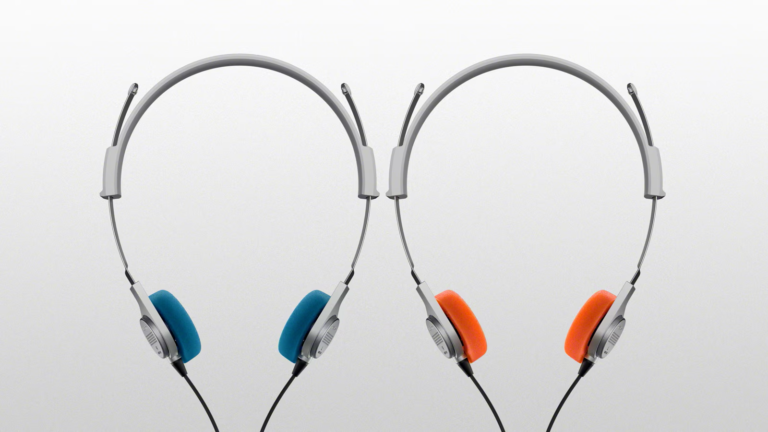
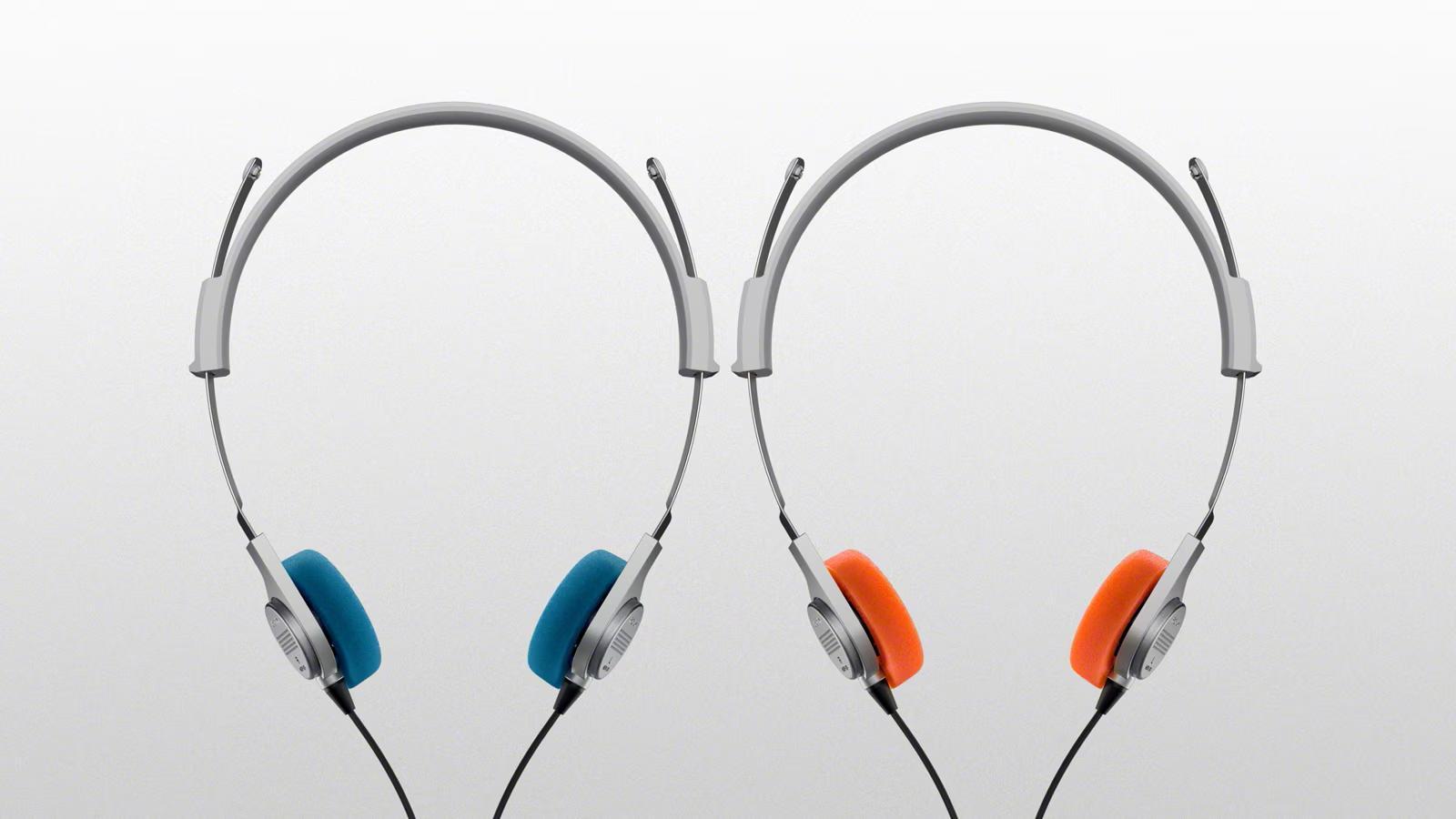
The headphones come with the iconic blue and orange ear pads that were a visual signature of the original MDR-3, and both color options can be swapped to give users a way to change the look between sessions. The packaging and instruction manual also replicate the design language of the original model, extending the nostalgic presentation beyond the headphones themselves.
Sony also incorporated recycled materials into the MDR-3R, with approximately 25 percent of the total plastic used in the product coming from recycled sources. The packaging is plastic-free, reflecting Sony’s stated commitment to reducing the environmental footprint of its consumer electronics.
Alongside the standard MDR-3R, Sony is simultaneously launching a “Stranger Things” Edition that draws a direct connection between the Walkman era and the aesthetic of the Netflix series. The show is set in the 1980s and has prominently featured portable cassette players and period-appropriate headphones throughout its run, making the connection between “Stranger Things” and the MDR-3R a natural one thematically.
The “Stranger Things” Edition features an engraved “Stranger Things” logo and design elements inspired by Max’s signature headphone style and the mysterious Upside Down dimension central to the series’ storyline. It also comes with custom packaging designed to extend the experience beyond the headphones themselves as a collectible presentation.
The “Stranger Things” Edition is available at a slightly higher price than the standard model, $79.99, reflecting the exclusive design details and branded packaging included.
The Sony Walkman is one of the most historically significant consumer electronics products ever made. It launched in Japan on July 1, 1979, as the TPS-L2, a compact cassette player designed by Sony engineer Nobutoshi Kihara that allowed people to listen to music through headphones while walking, commuting, or going about their day. Before the Walkman, portable music listening required devices far too large to carry comfortably, and listening was an activity that largely happened at home or in a car.
The original Walkman and the MDR-3 headphones that shipped with it changed that entirely, establishing the concept of personal portable audio that eventually evolved through CD players, MP3 players, iPods, and ultimately streaming through smartphones. The Walkman brand is still active, with Sony currently producing digital music players under the Walkman name. The MDR-3R explicitly honors that founding moment in portable audio history.
The Sony MDR-3R uses the same 23mm driver units as the original MDR-3, re-engineered to closely reproduce the original’s sound signature while making subtle adjustments for modern content and listening preferences. The headphones are compact on-ear, open-back wearables with a lightweight construction designed for all-day comfort. They are not noise-cancelling and make no claim of passive isolation, which is consistent with their open-ear design.
Connectivity is exclusively through USB-C, compatible with USB Audio Class 1.0 devices, with no 3.5mm jack option available. The cable includes a built-in microphone and an in-line remote for call handling and playback control. The MDR-3R comes with two sets of ear pads in the original blue and orange colors of the MDR-3, allowing users to swap between them for a different look.
The Sony MDR-3R is available starting November 2026 through Sony’s own online and retail channels, as well as authorized electronics retailers in supported markets. In the United Kingdom, the standard MDR-3R is priced at £49, while the Stranger Things Edition is priced at £59. In Europe, the standard model carries a suggested retail price of €59 and the Stranger Things Edition is €69.
Sony’s US pricing is listed at $59.99 with an estimated release date of November 20 to 23 on its America product listing that is currently live on Sony’s official electronics website. More information and regional availability details can be found through Sony’s official headphone product pages.