HomeAuto Cancer Immunotherapy Gathers in Phoenix: Eight Studies at SITC 2026 Target Resistance, Brain Tumors
Cancer Immunotherapy Gathers in Phoenix: Eight Studies at SITC 2026 Target Resistance, Brain Tumors
November 2, 2026:
Sitcancer.org
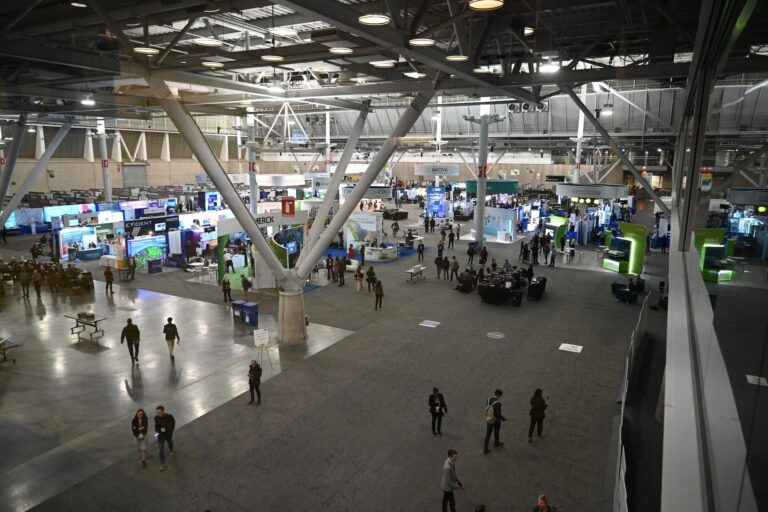
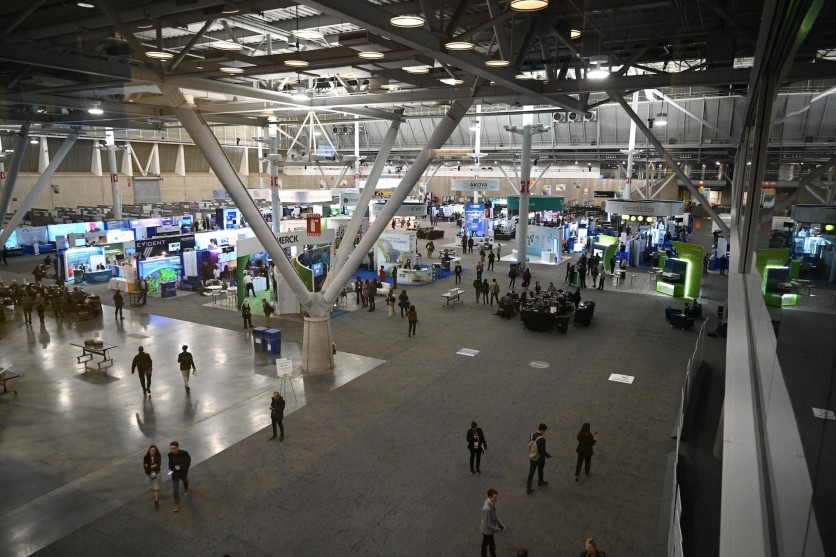
The roughly 50 to 70 percent of cancer patients who do not achieve a durable response from checkpoint inhibitors — the PD-1 and PD-L1 drugs that transformed oncology a decade ago — have become the defining problem of 2026 cancer medicine. Starting Wednesday, November 4, the field’s most authoritative annual gathering will present its first coordinated look at whether a second wave of immunotherapy can reach them. The Society for Immunotherapy of Cancer will open its 41st Annual Meeting at the Phoenix Convention Center in Phoenix, Arizona, running through November 8, with a virtual press briefing that same day previewing eight late-breaking abstracts selected from more than 1,300 submissions. Full data on all eight will become publicly available on November 6 at 9 a.m. ET.
Across eight studies, SITC 2026 will send a collective message: the era of asking “does immunotherapy work?” has ended, and the harder era of asking “how do we reach the patients it has not worked for?” has begun.
The virtual press briefing is scheduled for 2:00 to 3:30 p.m. ET on Wednesday, November 4. All eight abstracts were selected by the Program Committee under Program Chair Ryan J. Sullivan, MD, of Harvard Medical School and Massachusetts General Hospital, with Co-Chair Stefani Spranger, PhD, of MIT. Eight studies were chosen from a pool of more than 1,300 abstracts submitted to this year’s meeting. Titles and presenters will be revealed at the briefing; full data presented at the Annual Meeting on November 6 and 7 remain under embargo until November 6 at 9 a.m. ET.
The eight studies span six immunotherapy modalities — TCR-engineered T cells, CAR-T therapy, tumor-infiltrating lymphocyte therapy, oncolytic viruses, cancer vaccines, and a bispecific antibody — across cancers including melanoma, non-small-cell lung cancer (NSCLC), diffuse midline glioma, glioblastoma, and others. Each is designed for a patient population that checkpoint inhibitors alone have not adequately served.
What Checkpoint Resistance Means for Millions of Patients
Checkpoint inhibitors — drugs like pembrolizumab and nivolumab that block the PD-1 receptor on T cells, releasing a molecular “brake” that tumors exploit to hide from immune attack — have been approved for dozens of tumor types since 2014 and have extended survival for hundreds of thousands of patients. But primary and acquired resistance are pervasive: in NSCLC, colorectal cancer, pancreatic cancer, and many brain tumors, checkpoint blockade either does not produce a meaningful response or produces one that does not last.
The mechanisms are varied. Some tumors never attract sufficient T cells in the first place (so blocking a T cell checkpoint accomplishes nothing). Others initially respond but develop resistance by downregulating tumor antigens, upregulating alternative immune checkpoints, or using VEGF-driven angiogenesis to create a hostile vascular barrier that repels immune cells. Understanding these mechanisms is precisely why SITC 2026’s eight late-breaking abstracts — all targeting resistance-context or resistant populations — represent the field’s most significant single-meeting snapshot of post-checkpoint research in its history.
CAR-T Cell Study Targets Pediatric Brain Tumor With No Current Standard
Abstract #323, from the Stanford University School of Medicine group led by Evan Kim, MD, will present data on a GD2-targeting CAR-T cell therapy in diffuse midline glioma (DMG), one of the most devastating cancers in children and young adults. DMG — which includes the former diagnostic category of diffuse intrinsic pontine glioma (DIPG) — carries the H3K27M histone mutation and grows in the brainstem and spinal cord in locations surgeons cannot safely resect. Median survival is approximately 9 to 11 months from diagnosis; no systemic therapy has demonstrated survival benefit in clinical trials.
GD2 is a glycolipid antigen highly expressed in DMG and in several other pediatric solid tumors. CAR-T cells engineered to recognize GD2 can cross the blood-brain barrier and attack tumor cells, but the immune-privileged environment of the central nervous system — which ordinarily suppresses inflammation to protect neural tissue — poses a formidable barrier to sustained response. Abstract #323 will present updated results from ongoing trial. A separate mechanistic concern in CAR-T therapy — anti-CAR immune responses, in which the patient’s own immune system mounts an attack against the foreign CAR construct and eliminates the infused cells — is directly addressed in the clinical data expected this week, with researchers examining how this resistance mechanism affects long-term outcomes and what strategies can overcome it.
TIL Therapy for Checkpoint-Resistant Melanoma Posts 67% Response Rate in Prior Data
Abstract #566 will present updated pooled data from Obsidian Therapeutics’ OBX-115 (amsokigene autoleucel), a novel tumor-infiltrating lymphocyte therapy for checkpoint-refractory melanoma. Presenter Rodabe Amaria, MD, of MD Anderson Cancer Center will bring data from the ongoing Agni-01 multicenter study.
Prior interim data presented at ASCO have shown a 67% objective response rate, with 80% of responses ongoing as of a median 4.3-month follow-up. The SITC 2026 presentation will include updated pooled efficacy and safety results. OBX-115 holds both FDA Fast Track and RMAT designations, and Obsidian enrolled the first patient in a registration-enabling cohort earlier this year.
OBX-115 differs from earlier TIL therapies in three engineering decisions. First, the product uses Obsidian’s cytoDRiVE platform to express IL-15 on the T cell surface in membrane-bound form — providing an autocrine and paracrine survival and proliferation signal without releasing systemic interleukin-2, which at therapeutic doses causes life-threatening vascular leak syndrome. Second, the therapy can be manufactured from a core needle biopsy (a less invasive procedure) rather than requiring surgical resection for tumor tissue collection. Third, it employs reduced-dose lymphodepletion before infusion, potentially enabling outpatient administration that is inaccessible with existing TIL approaches.
The first FDA-approved TIL therapy, lifileucel (Iovance, 2024), requires high-dose lymphodepletion and high-dose systemic IL-2, restricting treatment to inpatient settings with specialized toxicity management. OBX-115’s design aims to extend TIL access to a broader clinical population while potentially improving the durability of the manufactured cell product.
NCI Study Tests Mutant-p53 TCR-T Therapy Targeting Cancer’s Most Common Driver Mutation
Abstract #553 will present data from the National Cancer Institute Surgery Branch on a T cell receptor-engineered therapy targeting mutant p53, one of the most common oncogenic mutations in human cancer. Presented by Jared Garbarine, the abstract covers results from a Phase 2 trial of TCR-T cells engineered to recognize the p53 R175H hotspot mutation — a gain-of-function alteration found in approximately half of all human tumors across many cancer types.
TCR-T cell therapy differs mechanistically from CAR-T therapy in an important way: whereas CAR-T cells are engineered with synthetic receptors that recognize intact surface proteins (like CD19 in B-cell cancers or GD2 in brain tumors), TCR-T cells carry engineered natural T cell receptors that recognize peptide fragments of intracellular proteins presented on the cell surface by HLA molecules. This means TCR therapy can target mutant p53, which lives inside the cell and would be invisible to conventional CAR approaches. Whether the approach can produce responses across multiple tumor types in a Phase 2 setting will determine how broadly this strategy can be applied.
Oncolytic Adenovirus Aims to Build Lymph-Node-Like Structures Inside Brain Tumors
Abstract #828 will present data from MD Anderson Cancer Center on an oncolytic adenovirus designed to induce tertiary lymphoid structures (TLS) within glioblastoma multiforme and other brain tumors. The presenter is Eric Liang, PhD, working within a team at MD Anderson’s brain tumor program.
TLS are organized aggregates of immune cells — B cells, T cells, dendritic cells, follicular helper T cells — that form de novo in non-lymphoid tissue during chronic inflammation or cancer. Unlike the sparse, dysfunctional immune infiltration typical of brain tumors, mature TLS resemble miniature lymph nodes and can support local antigen presentation and antigen-specific immune responses. Their presence in solid tumors has been correlated with improved outcomes on checkpoint immunotherapy across multiple cancer types including lung, bladder, and soft tissue sarcoma.
The central nervous system has historically been considered immune-privileged — the blood-brain barrier restricts immune cell entry, and the brain’s resident microglia have evolved to suppress inflammation that could damage neural tissue. This same suppression has largely excluded glioblastoma from responding to checkpoint inhibitors; multiple Phase 3 trials of nivolumab and pembrolizumab in GBM have failed to extend overall survival. Abstract #828 tests whether oncolytic adenoviral infection — which kills tumor cells and releases inflammatory signals (damage-associated molecular patterns, or DAMPs) — can reorganize the GBM immune environment around TLS and thereby create the local antigen-presenting infrastructure that checkpoint blockade or other therapies could amplify.
Ohio State Intratumoral Flu Vaccine Exploits Pre-Existing Immune Memory
Abstract #501, from Bhanu Krishna Moser, MD, at The Ohio State University Comprehensive Cancer Center — James Cancer Hospital, will present data on intratumoral influenza vaccine injection as a cancer immunotherapy strategy. The approach exploits a feature of human immunology that most adults share: robust, pre-existing immune memory against influenza antigens acquired from years of flu shots and prior infections.
By injecting standard influenza vaccine directly into a tumor, the approach aims to summon flu-specific T cells and B cells to the injection site. The arrival of antigen-experienced immune cells triggers local cytokine release and inflammatory signaling, creating a temporarily immune-permissive environment within the tumor that may promote antigen presentation and generate de novo T cell responses against tumor-specific antigens released during the inflammatory cascade. The strategy requires no tumor biopsy, no genetic engineering, and no patient-specific manufacturing — if the early human data hold, its simplicity and low cost could make it accessible across cancer types and clinical settings that cannot support complex cellular therapies.
Moffitt Neoantigen Vaccine Combined With Effector T Cells Targets Chemotherapy-Resistant Glioblastoma
Abstract #1176, from Yeuan-Jian Jiang, MD, at Moffitt Cancer Center, will present clinical results from a personalized neoantigen vaccine combined with adoptive transfer of effector T lymphocytes in MGMT-unmethylated glioblastoma. MGMT-promoter unmethylated GBM — which constitutes roughly 55 percent of GBM cases — does not benefit from temozolomide chemotherapy, which requires MGMT silencing to function; median overall survival in this group is approximately 12 to 14 months on current standard of care (radiation plus temozolomide).
Personalized neoantigen vaccines target mutations unique to a patient’s tumor — neoantigens — that are not present in normal tissue and therefore do not trigger autoimmune attack. The approach, pioneered in part by this year’s Smalley Award lecturer Catherine Wu, MD, of Dana-Farber Cancer Institute, requires whole-exome sequencing of the patient’s tumor, computational prediction of immunogenic mutations, and rapid manufacturing of a patient-specific vaccine. Abstract #1176 pairs the vaccine with ex vivo-expanded effector T lymphocytes — T cells that were primed by vaccination and then expanded outside the body and reinfused — to test whether combining antigen priming with cellular delivery can overcome the immunosuppressive CNS environment that has defeated vaccine-only approaches in GBM.
Abstract #1182, from Justin Moser, DO, at HonorHealth Research Institute, will present Phase 1/1b data from WTX-124, a conditionally activated IL-2 prodrug developed by Werewolf Therapeutics using the company’s INDUKINE platform, in combination with pembrolizumab. The trial is registered as NCT05479812.
Interleukin-2 (IL-2) is one of the most potent T cell growth factors known: at high doses, it can drive tumor regression in metastatic renal cell carcinoma and melanoma, a fact recognized by the FDA’s approval of high-dose IL-2 in the 1990s. But high-dose IL-2 causes severe capillary leak syndrome — a rapid, diffuse seepage of fluid from blood vessels into surrounding tissue that can be fatal without intensive monitoring. This toxicity has largely prevented IL-2 from becoming a standard-of-care immunotherapy despite its proven activity.
WTX-124 is designed as a tumor-activated prodrug: the IL-2 molecule is masked by a proprietary “zipper” peptide that renders it pharmacologically inactive in circulation but is cleaved by proteases selectively active in the tumor microenvironment, releasing active IL-2 preferentially at the tumor site. If the Phase 1/1b data confirm tumor-selective activation with an acceptable systemic safety profile, WTX-124 would represent the first viable strategy to recapture IL-2’s potency at scale — dramatically expanding the pool of patients who could tolerate IL-2-based immunotherapy.
Bispecific Antibody Cesalatamig Targets PD-1 and VEGF Simultaneously in Lung Cancer
Abstract #1187, from Srinivas Ramineni, MD, at UT Health San Antonio MD Anderson Cancer Center, will present data from cesalatamig AI-081, a bispecific antibody developed by OncoC4 that simultaneously blocks PD-1 on T cells and VEGF in the tumor microenvironment. The FDA granted cesalatamig Fast Track designation September 2026 for patients with NSCLC that has progressed after PD-(L)1 therapy and platinum-based chemotherapy.
Bispecific antibodies are engineered proteins with two distinct antigen-binding arms that can engage two different molecular targets simultaneously. Cesalatamig’s design reflects a mechanistic insight: VEGF (vascular endothelial growth factor) is not only a driver of tumor blood vessel growth but also a direct immunosuppressant — it promotes infiltration of regulatory T cells, impairs dendritic cell maturation, and physically restricts T cell trafficking into tumors through the vascular barrier it creates. In patients who have already failed anti-PD-(L)1 therapy, the tumor has typically evolved mechanisms to evade T cell attack; blocking the VEGF axis simultaneously with the PD-1 checkpoint in a single molecule tests whether the two mechanisms interact cooperatively — whether disrupting VEGF-mediated T cell exclusion at the same moment as releasing the PD-1 brake produces a response that neither blocking alone could achieve.
Oral presentation data for cesalatamig are scheduled in the Clinical Oral Abstract Session on November 7 (1:45 p.m. MT / 3:45 p.m. ET).
Keynote and Smalley Lecture Define the Field’s Intellectual Moment
The Annual Meeting’s main scientific program opens November 6 in Phoenix with the Presidential Welcome and a full day of plenary and breakout sessions. On November 7, Ton Schumacher, PhD, of the Netherlands Cancer Institute will deliver the Presidential Keynote with the title “T Cell Recognition of Human Cancer: ‘Cracking the Code.'” Schumacher’s laboratory has developed TCR repertoire sequencing and neoantigen-specific T cell detection methods that can identify the tumor-reactive T cells already circulating in a cancer patient’s bloodstream — work that directly informs the TCR engineering and neoantigen vaccine strategies represented among this year’s eight late-breaking abstracts.
On November 6, Catherine Wu, MD, of Dana-Farber Cancer Institute will deliver the Richard V. Smalley, MD Memorial Award Lecture, titled “Getting Off the Rollercoaster: Personalized Cancer Vaccines Come of Age.” Wu’s laboratory co-pioneered the personalized neoantigen vaccine approach with a landmark 2015 Science paper and demonstrated durable protection in melanoma survivors through 8-year follow-up data published in 2023. The lecture title — “come of age” — signals that the field considers neoantigen vaccination to have crossed from preclinical promise into clinical evidence; the question for 2026 and beyond is which tumor types, which patient populations, and which combination partners will define its standard use.
The Broader Context: Why This Meeting Marks a Transition
The eight studies at SITC 2026’s press briefing share a design logic that no single presentation states explicitly but that the portfolio makes visible: each is designed for a population that the first wave of checkpoint immunotherapy — the PD-1 and PD-L1 approvals of 2014 to 2022 — did not adequately reach.
Checkpoint inhibitors produced a genuine revolution. Patients with advanced melanoma who would have died within a year now survive five, ten, and in some cases twenty or more years. NSCLC patients with high PD-L1 expression have seen durable responses previously unimaginable with chemotherapy. But those durable responses have been concentrated in a minority: patients with high tumor mutational burden, microsatellite instability, high PD-L1 expression, or other biomarkers that predict T cell-inflamed tumors. For the majority — patients with low-TMB tumors, immune-excluded tumors, or tumors in immune-privileged sites like the brain — checkpoint inhibitors have produced little to no benefit, and the Phase 3 trial landscape for GBM, pancreatic cancer, and microsatellite-stable colorectal cancer has been largely a record of failure.
The abstracts at SITC 2026 collectively constitute the field’s first large-scale clinical assessment of post-checkpoint strategies — each representing a distinct mechanism designed to reach patients that checkpoint monotherapy left behind: TCR-T cells for common oncogenic mutations, CAR-T cells for antigen-specific CNS tumors, TIL therapy reformulated to be outpatient-compatible, oncolytic viruses to reorganize the immune environment from the inside, intratumoral vaccination to recruit pre-existing immune memory, neoantigen vaccines combined with adoptive T cell transfer to prime and deliver simultaneously, IL-2 prodrugs to restore cytokine potency without the toxicity that has blocked it for thirty years, and a bispecific antibody that targets both the checkpoint brake and the vascular wall that keeps T cells out.
Whether any of these approaches will reach regulatory approval and clinical practice in the next five years depends on what the November 6 data show. SITC 2026 is where the field will get its first answer.
Frequently Asked Questions
What is SITC and why does its annual meeting matter for cancer treatment?
SITC, the Society for Immunotherapy of Cancer, was founded in 1984 and holds the world’s largest annual meeting focused exclusively on cancer immunotherapy — as opposed to general oncology conferences where immunotherapy is one track among many. Its annual meeting sets the field’s research agenda, because the studies selected for press-briefing presentation are typically the most advanced and clinically significant data the field has produced in the past year. Regulatory agencies, clinicians, and oncology researchers worldwide use SITC late-breaking presentations to orient their next priorities. A result presented at SITC 2026 in November could inform FDA discussions by early 2027.
What is checkpoint inhibitor resistance, and why do so many patients experience it?
Checkpoint inhibitors work by blocking molecular signals — primarily PD-1 on T cells and PD-L1 on tumor cells — that tumors exploit to prevent the immune system from recognizing and killing them. Primary resistance means the tumor was never generating a meaningful immune response to begin with; secondary (acquired) resistance means a patient who initially responded to treatment has progressed because the tumor evolved a workaround. Workarounds include loss of tumor antigen expression, upregulation of alternative immune checkpoints like TIM-3 or LAG-3, accumulation of immunosuppressive cells in the tumor microenvironment, and VEGF-driven vascular barriers that physically exclude T cells. Roughly 50 to 70 percent of patients treated with checkpoint inhibitors across solid tumor indications do not achieve a durable long-term response. The eight studies at SITC 2026 represent different strategies for reaching this population.
How is TIL therapy different from CAR-T, and what makes OBX-115 new?
Both TIL therapy and CAR-T therapy involve taking a patient’s own T cells out of the body, engineering or expanding them, and reinfusing them — but the starting material and the modification are different. CAR-T therapy takes T cells from the blood and equips them with a synthetic receptor targeting a specific protein on the tumor surface. TIL therapy takes T cells that have already migrated into the tumor — tumor-infiltrating lymphocytes — and expands them, preserving the natural diversity of T cell receptors they already carry (meaning they recognize multiple tumor antigens rather than just one). The first FDA-approved TIL therapy, lifileucel (2024), requires surgical resection of the tumor for cell collection, high-dose chemotherapy before infusion, and high-dose systemic IL-2 after infusion — all of which demand inpatient hospital care with specialized toxicity management. OBX-115 is designed to avoid all three requirements: it can be manufactured from a core needle biopsy, it employs reduced-dose lymphodepletion, and its membrane-bound IL-15 technology eliminates the need for high-dose systemic IL-2 after infusion, potentially enabling outpatient TIL therapy for the first time.
What does the 2026 SITC meeting mean for patients who are currently on or have failed checkpoint immunotherapy?
The eight late-breaking studies will not immediately change treatment options — clinical trials require years of follow-up and regulatory review before therapies reach approval. But for patients who have progressed on or been deemed ineligible for checkpoint inhibitors, the SITC 2026 data will clarify which post-checkpoint strategies are showing the strongest early clinical signals. Patients and advocates interested in the specific trials represented at SITC 2026 — OBX-115 (NCT identifiers available on ClinicalTrials.gov), cesalatamig, WTX-124, and the NCI p53 TCR-T study — can ask their oncologists about eligibility for ongoing trials or successor studies that the SITC data are expected to catalyze. The full late-breaking abstract data will be publicly available on November 6, 2026 at 9 a.m. ET through the SITC website and the Journal for ImmunoTherapy of Cancer.