EasyJet Joins the Starlink Wave — What It Means for Your Next Short-Haul Flight and Ryanair’s Lonely Holdout

October 26, 2026:

EasyJet Joins the Starlink Wave — What It Means for Your Next Short-Haul Flight and Ryanair’s Lonely Holdout

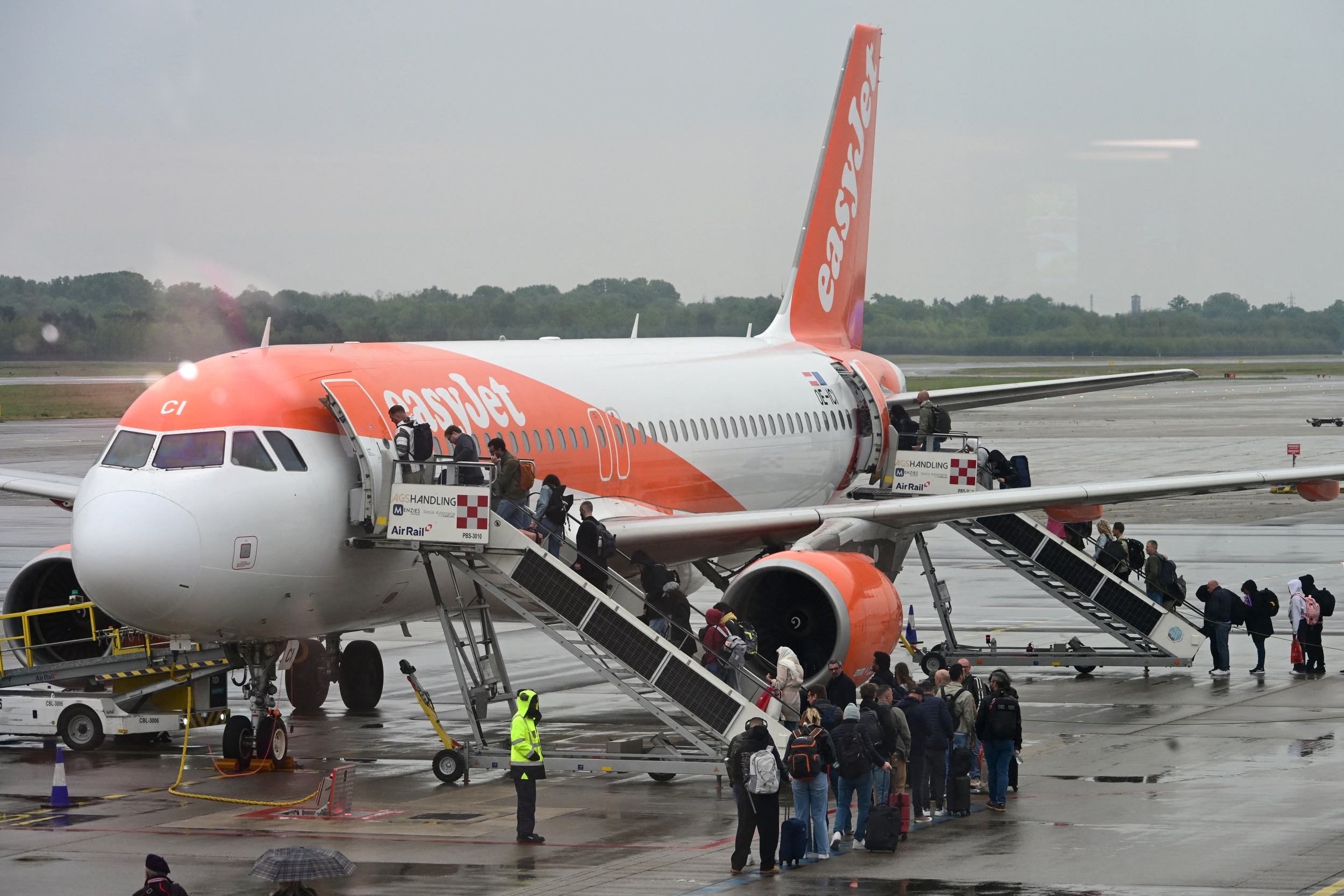
Nine months after its chief executive publicly declared that a Starlink deal made no commercial sense, easyJet announced Monday that it will equip its entire active Airbus narrowbody fleet with SpaceX’s satellite internet service — marking the British budget carrier’s first venture into live in-flight connectivity and one of the more striking strategic reversals in recent European aviation.

The move isolates Ryanair as the only major European budget airline still holding out against the technology and signals that Starlink’s pricing has reached a point where even operators with the tightest cost structures are saying yes.

A Reversal Nine Months in the Making

On January 29, 2026, CEO Kenton Jarvis addressed reporters following a quarterly earnings call and acknowledged that ongoing talks with SpaceX had stalled over price. “The economics aren’t quite working for us,” he said, while praising Starlink as a strong product and describing the connectivity market as one he was watching closely. He said easyJet was in parallel discussions with multiple satellite providers and would continue monitoring what each offered.

Monday’s announcement retired that position entirely. Jarvis framed the October pivot as both competitive and customer-driven. “Innovation is in easyJet’s DNA,” he said in the airline’s official statement, adding that the deal positions easyJet to meet what business and leisure travelers now expect in the air. What changed between January and October — whether SpaceX revised its commercial terms, whether competitive pressure from Wizz Air became too visible to ignore, or some combination of both — easyJet did not disclose.

What Gets Upgraded — and What Gets Left Behind

According to ch-aviation data cited by AeroTime, easyJet’s active Airbus fleet eligible for Starlink consists of 78 A320-200s, 22 A320neos, and 51 A321neos — approximately 151 aircraft in total. The 39 A319-100s still flying are being progressively retired and will not receive the upgrade.

The deal also covers easyJet’s order backlog of 120 A320neos and 151 A321neos — 271 aircraft in all — meaning new deliveries scheduled to arrive during the rollout window will either enter service Starlink-equipped or receive installation shortly after landing in the fleet.

For passengers, the shift is fundamental. EasyJet currently operates AirFi, a portable closed-cabin system deployed fleet-wide since 2023 that lets passengers connect to a local wireless network for entertainment, airline retail, and flight information — but with no access to the live internet. Under the Starlink arrangement, travelers will be able to browse, stream, and work in real time throughout the flight on their own devices. The airline made no announcement about passenger pricing, leaving open whether Starlink access will be a paid add-on or included in the fare.

Gwynne Shotwell, SpaceX’s President and Chief Operating Officer, appeared in the formal announcement. She said the partnership would let passengers “work, stream, or stay in touch without interruption” from departure to arrival — language that reflects SpaceX’s broader push to position Starlink as the default connectivity infrastructure for commercial aviation.

The Budget Airline Race — With One Conspicuous Exception

EasyJet’s commitment arrives as the European budget sector lines up behind Starlink at a pace that would have seemed unlikely at the start of the year. Wizz Air, the Hungary-based ultra-low-cost carrier, became the first European ULCC to sign a Starlink deal in June 2026, announcing a 2027 rollout. That same month, private equity firm Indigo Partners announced a coordinated group deal that will place Starlink on more than 1,000 aircraft across five of its portfolio carriers: Frontier Airlines in the United States, Wizz Air in Europe, Volaris in Mexico, JetSMART in South America, and Cebu Pacific in the Philippines.

Ryanair is the exception. The Dublin-based carrier, the continent’s largest budget airline by passenger volume, has consistently rejected Starlink on cost grounds. CEO Michael O’Leary has acknowledged that SpaceX’s product is technically impressive — Ryanair spent roughly 12 months in talks with the company — but concluded that the total annual burden, which he estimated at up to $250 million when accounting for antenna installation, satellite fees, and the added fuel burn from aerodynamic drag, makes the math incompatible with Ryanair’s ultra-thin margin model. O’Leary and Musk have also been locked in an unusually public social media dispute since January 2026, adding a personal dimension to what is otherwise a technology procurement decision.

With easyJet now committed and Wizz Air already moving, Ryanair faces a service gap that will grow more visible to passengers comparing their short-haul options across European routes.

The Pricing Question — and the Apollo Factor

Two material unknowns remain. The first is what passengers will actually pay. EasyJet’s October 26 statement contained no mention of pricing, which leaves unanswered how the airline intends to recover its installation investment. Virgin Atlantic, which began installing Starlink across its fleet from Q3 2026 as the first UK airline to commit to fleet-wide satellite internet, took the opposite approach — offering the service at no charge for Flying Club members, treating connectivity as a loyalty and brand asset. If easyJet instead adopts a fee-based model, a fleet carrying tens of millions of passengers annually represents a potentially significant new ancillary revenue line.

The second unknown is ownership. US private equity firm Apollo Global Management agreed in August 2026 to acquire easyJet for £5.7 billion (approximately $7.7 billion), with closing expected by the end of Q1 2027, subject to shareholder approval and regulatory clearance. The Starlink announcement therefore arrives during an ownership transition — and implies that both easyJet’s current leadership and its incoming controllers view the infrastructure investment as strategically sound rather than as a liability to defer.

The first Starlink-equipped easyJet departures are expected sometime after mid-2027. What began as a cost problem now looks, at least from the outside, very much like a business decision whose time finally arrived.

Source link