October 21, 2026:

In a refreshing twist, a Season 11 cast member dispelled common anti-abortion talking points.

Did you happen to hear a swell of exhausted sighs last week? It was the collective sound of people across the U.S. tuning into a new season of Love Is Blind—once again full of comically-bad suitors and misinformation about reproductive health.
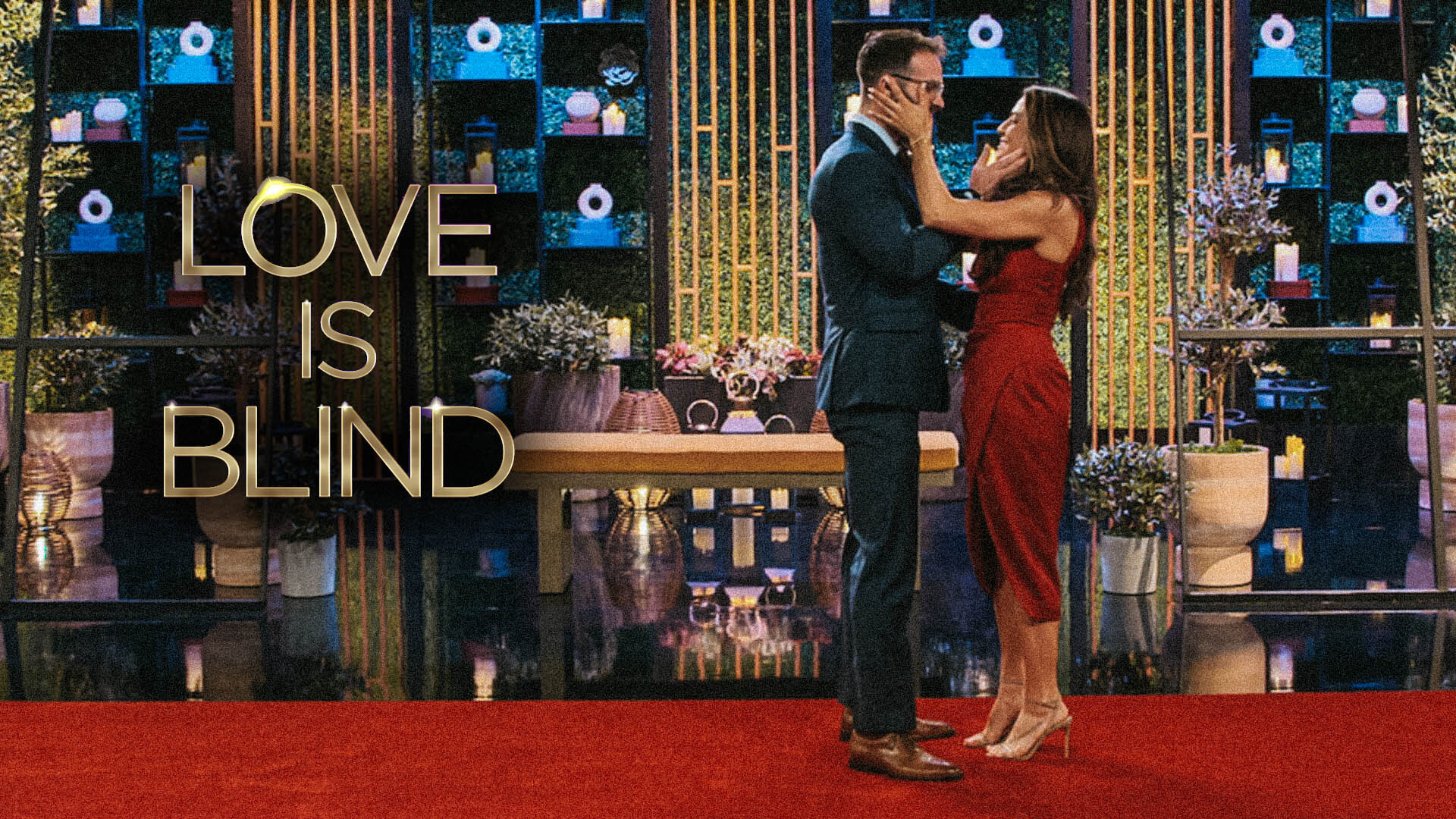
The hit Netflix reality show dropped its first batch of episodes on Oct. 14. Like the other seasons that have come before it, the beginning of Season 11 takes place entirely in the “pods,” where single men and women sit on opposite sides of a veiled wall and “meet” without actually seeing each other. During this period, “the singles,” as they’re known, get to know one another and, by the end of the first five episodes, determine whether they want to get engaged and finally meet in-person.
This get-to-know-you period is where viewers find out which cast members have, shall we say, interesting social and political views. And by the second episode of Season 11—this time set in Boston—one couple was having a lively exchange over their views on abortion care.
In the episode, John Shannon, an account manager, shared with health-care manager Sarah Williams that he was recently diagnosed with multiple sclerosis (MS), a chronic condition that damages the body’s central nervous system. He said that while he is optimistic about his health, his MS could worsen in the future—and he would understand if his diagnosis would be a dealbreaker for Williams. (It wasn’t.)
Shannon then expressed his mistrust of capitalism embedding itself in the U.S. health-care system, which made him hesitant to both get prescribed medication for MS and get the COVID-19 vaccine. Williams patiently explained how preventing acute sickness through vaccines can help reduce health-care costs. She also said she thinks vaccines are safe, though she understands people saying “my body, my choice.”
Williams then asked Shannon about his views on abortion.
He told her he doesn’t think it should be illegal, but that he thinks it’s “sad.” Shannon then brought up an argument he said he heard about whether an 11-year-old victim of incest who gets pregnant should be allowed to have an abortion.
“Okay, that’s horrible,” he said. But “why does that justify having an abortion at six months because you just, like, never got around to it?”
Pause.
The vast majority of abortions occur within the first 13 weeks of gestation. It’s uncommon for patients to get abortion care at or after 21 weeks, according to health research organization KFF.
Williams is better than me. While she would want to keep a pregnancy at this point in her life, she said, she is pro-choice. And she pushed back on Shannon’s assertion about abortions happening after six months of gestation.
“From a health-care perspective, I do think there’s a little misinformation,” Williams explained. “The number of women who do it late-term ‘just because’—it’s almost non-existently low. And women using abortion as birth control, that number is so low. So I hate that that’s used as an argument.”
Williams is right. The number is low—approximately 1 percent, according to the Guttmacher Institute, a leading sexual and reproductive health research organization.
The idea of people simply getting abortions on a whim later in their pregnancies is a popular anti-abortion talking point. But later abortions typically happen because pregnant people find out new information—such as a fatal condition that was undetectable until later in pregnancy—or because they faced barriers when trying to seek care earlier on.
And when patients can’t access necessary abortion care, they may suffer stillbirth, preeclampsia, other health issues, or, in some cases, death.
Shannon’s comments aren’t an anomaly on Love Is Blind. During Season 3, which was filmed before the 2022 Supreme Court decision that overturned Roe v. Wade, Bartise Bowden told his to-be fiancee Nancy Rodriguez that he did not believe in abortion, saying people should only get “one pass.” Bowden ultimately chose to not marry Rodriguez at the altar.
The show rarely pushes back on its cast members’ outdated, inaccurate, or harmful claims about abortion or other issues. Viewers have also accused the show of casting increasingly conservative singles—particularly since Season 9, which aired in 2025.
So for a cast member to clearly and effectively combat a classic anti-abortion trope was refreshing. It also helped combat misinformation about abortion care—both for Shannon and the larger audience—and ground the conversation in facts.
What remains to be seen is whether Williams and Shannon—who ultimately choose to get engaged—can align, or whether they’ll go the way of many a Love Is Blind political breakup.
Source