October 13, 2026:

SpaceX has resumed its Starlink satellite launch operations after an unusually long gap between Falcon 9 missions.
On October 12, the company launched 27 Starlink satellites into low Earth orbit aboard a Falcon 9 rocket from Vandenberg Space Force Base in California. The mission marked the first Starlink launch using Falcon 9 since September 19 and highlighted the continuing role of the rocket in expanding SpaceX’s global satellite internet network.
The launch also comes as SpaceX prepares for a major transition in its launch operations. The company is developing Starship, a more powerful and fully reusable launch system intended to take over many of the duties currently handled by Falcon 9 and Falcon Heavy.

According to Space.com, SpaceX launched 27 Starlink satellites on October 12 at 8:28 p.m. Eastern Daylight Time, or 5:28 p.m. local time in California. The mission took off from Vandenberg Space Force Base, with the Falcon 9 carrying the spacecraft toward low Earth orbit, where Starlink satellites operate to provide internet connectivity.
The launch followed a noticeable pause in Falcon 9’s Starlink operations. The previous mission of this type took place on September 19, when another Falcon 9 deployed 27 satellites from the same California launch site.
The gap stood out because SpaceX had maintained a much faster launch schedule earlier in the year. Between August 19 and September 6, the company completed seven Starlink missions using Falcon 9 rockets in just 19 days. That pace demonstrated the launch system’s ability to support frequent satellite deployments.
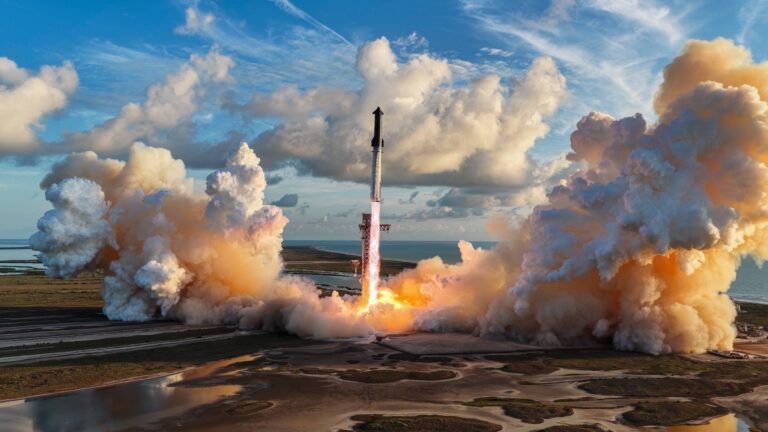
Although the Falcon 9 schedule slowed, SpaceX did not completely stop launching Starlink satellites. On September 28, its Starship rocket carried 26 next-generation Starlink V3 satellites during its 14th test flight.
The October 12 mission followed SpaceX’s established approach to reusable rocket operations. After lifting off from California, the Falcon 9 carried its payload toward orbit before separating its first stage from the upper portion of the rocket.
The first stage then returned to Earth and landed on the drone ship Of Course I Still Love You, stationed in the Pacific Ocean. The landing took place approximately eight and a half minutes after liftoff.
The booster used for this flight, designated B1088, completed its 20th launch and landing. Its reuse demonstrates how SpaceX relies on recovering and flying rocket hardware multiple times rather than building an entirely new first stage for every mission.
Meanwhile, the rocket’s expendable upper stage continued toward low Earth orbit with the 27 Starlink satellites. SpaceX announced that the spacecraft were deployed approximately 62 minutes after launch.
Successful booster recovery and satellite deployment are important parts of the company’s operating model. Reusing first-stage boosters helps reduce the need for newly manufactured hardware and supports the frequent launches required to maintain and expand a large satellite constellation.
Despite the development of Starship, Falcon 9 continues to play a central role in SpaceX’s launch operations. The rocket has become one of the most frequently flown orbital launch vehicles, supporting commercial payloads, government missions, crewed flights, and Starlink satellite deployments.
In 2025, Falcon 9 reportedly completed 165 launches, a total comparable to the combined launch activity of the rest of the world’s orbital launch vehicles. Nearly three-quarters of those flights supported the Starlink network.
The October 12 mission was the 112th Falcon 9 launch of 2026 and the 82nd dedicated to Starlink, according to the supplied report. These figures illustrate the scale of the constellation’s deployment program and the rocket’s importance to SpaceX’s business.
SpaceX manufactures its own satellites, launches them using its own rockets, and operates the resulting network. This structure gives the company considerable control over deployment schedules and the expansion of its service.
Starlink is SpaceX’s satellite internet network, designed to deliver broadband connectivity through satellites orbiting relatively close to Earth. Unlike traditional geostationary satellites, which operate at much higher altitudes, low Earth orbit satellites can provide lower-latency connections because signals travel shorter distances.
However, a low Earth orbit constellation requires many satellites to provide broad coverage and maintain service as individual spacecraft move across the sky. Satellites also need to be replaced as they age, making regular launches essential to the network’s continued operation.
The October mission added another 27 spacecraft to a constellation that the supplied report describes as containing more than 11,100 active satellites. Each deployment contributes to the network’s capacity, although the effect of an individual launch on service depends on factors such as orbital placement, network demand, and satellite availability.
In other news, Poland pins the blame on Russia for an arson attack on a Starlink satellite station, per ABC News.
SpaceX’s longer-term strategy involves transferring much of its launch activity from Falcon 9 and Falcon Heavy to Starship. According to company chief executive Elon Musk, the next-generation Starlink V3 constellation is expected to consist of approximately 100,000 satellites, all launched aboard Starship.
That target would require a substantial increase in deployment capacity compared with current operations. Starship is designed to be fully reusable and significantly more powerful than Falcon 9, potentially allowing it to transport larger payloads on each flight.
The successful deployment of 26 next-generation Starlink V3 satellites during Starship’s September 28 test flight was an important milestone in this transition. The mission demonstrated that Starship could reach orbit and release its satellite payload successfully.
Nevertheless, Starship remains under development, and a full transition away from Falcon 9 will depend on continued testing, operational reliability, and the ability to support routine launches. Falcon 9 therefore remains essential while SpaceX works toward its next phase of reusable spaceflight.
Before the October 12, 2026, mission, SpaceX’s previous Falcon 9 Starlink launch took place on September 19, when the rocket deployed 27 satellites from Vandenberg Space Force Base in California.
SpaceX launched 27 Starlink satellites aboard a Falcon 9 rocket. The spacecraft were deployed into low Earth orbit approximately 62 minutes after liftoff.
The launch took place at Vandenberg Space Force Base in California. The Falcon 9’s first stage returned to Earth and landed on the drone ship Of Course I Still Love You in the Pacific Ocean.
The B1088 booster completed its 20th launch and landing during the October 12 mission, illustrating SpaceX’s continued use of reusable rocket hardware.
Falcon 9 is an operational orbital rocket that supports Starlink deployments and other missions. Starship is a larger, more powerful launch system designed for full reusability and greater payload capacity. SpaceX intends to use Starship for future Starlink V3 deployments as the vehicle progresses beyond testing.
The supplied report places the Starlink constellation at more than 11,100 active satellites at the time of the October 12 launch. The number changes as new spacecraft are deployed and older satellites leave the constellation.
Frequent launches allow SpaceX to expand network capacity, improve coverage, and replace aging satellites. Because Starlink operates in low Earth orbit, maintaining a large constellation requires ongoing deployment and replenishment.