October 2, 2026:


In April 2003, a family in Baghdad was driving home as U.S. Marines engaged in a firefight with Iraqi forces. The family was caught in the crossfire, and three men were killed. Nearly 10 years after the shattering incident, the two women who survived the attack, having immigrated to the U.S. and settled in Glendale, Calif., sat down with one of the Marines who opened fire on them.
Journalist Dexter Filkins told the story of this encounter in the 2012 New Yorker article “Atonement After Iraq.” The piece details the efforts of U.S. Marine Lu Lobello to speak to Margaret and her daughter Nora Kachadoorian and seek their forgiveness for the attack that killed Margaret’s husband James and their sons Nicolas and Edmund and left Nora with a wound to the shoulder. Lobello reached out to Filkins to help facilitate the meeting.
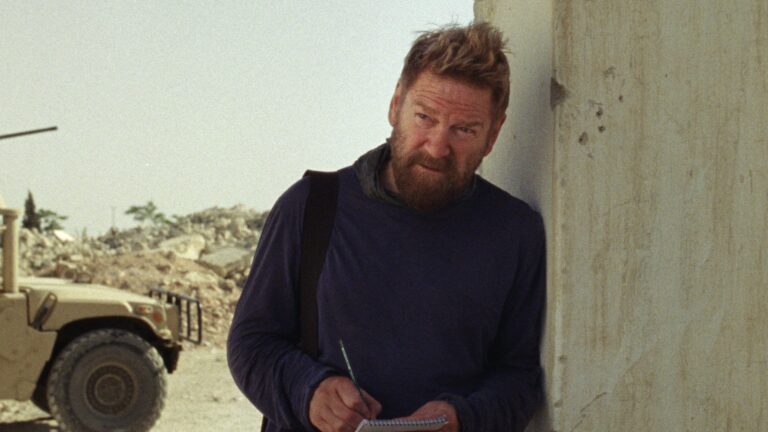
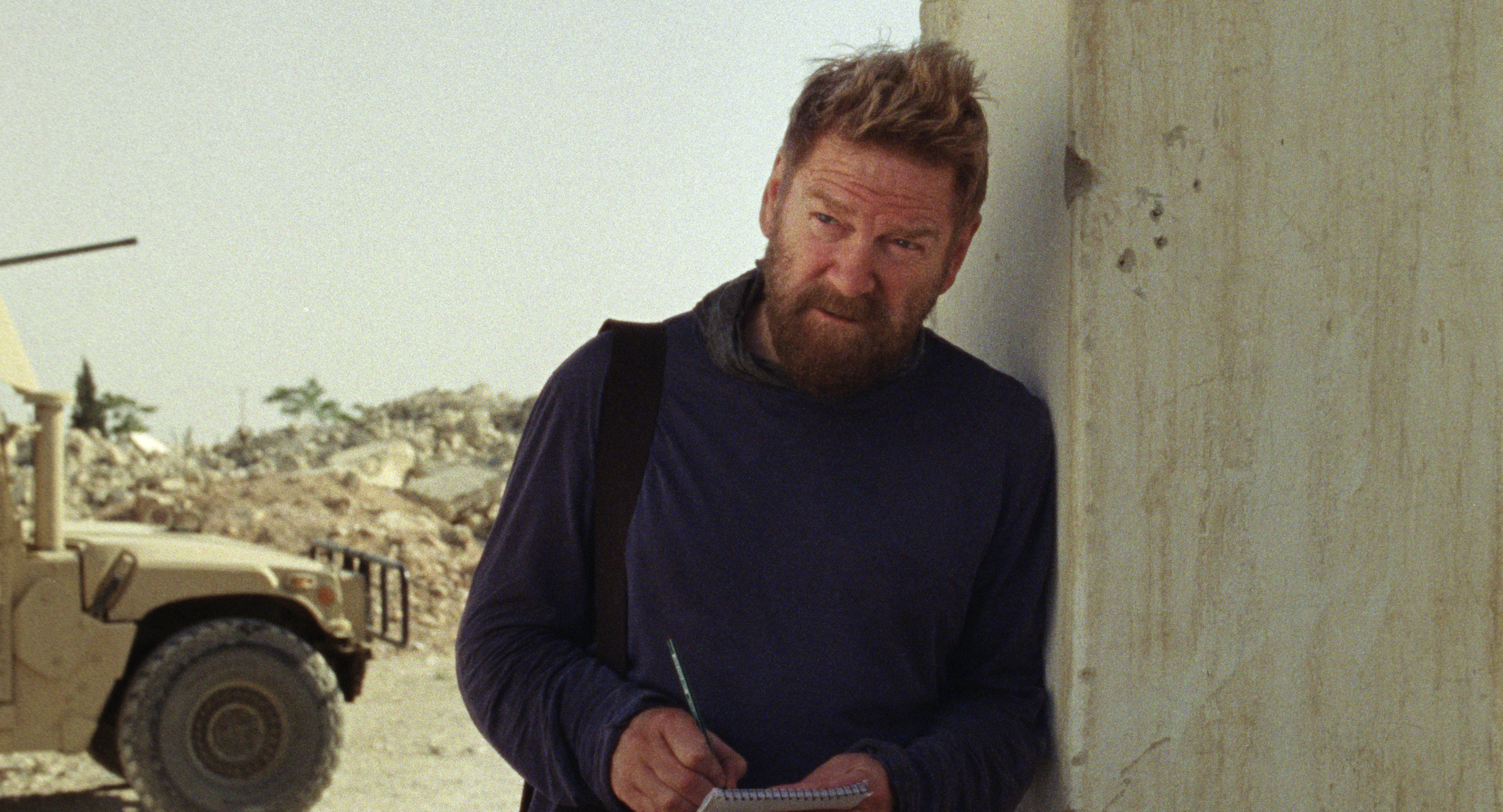
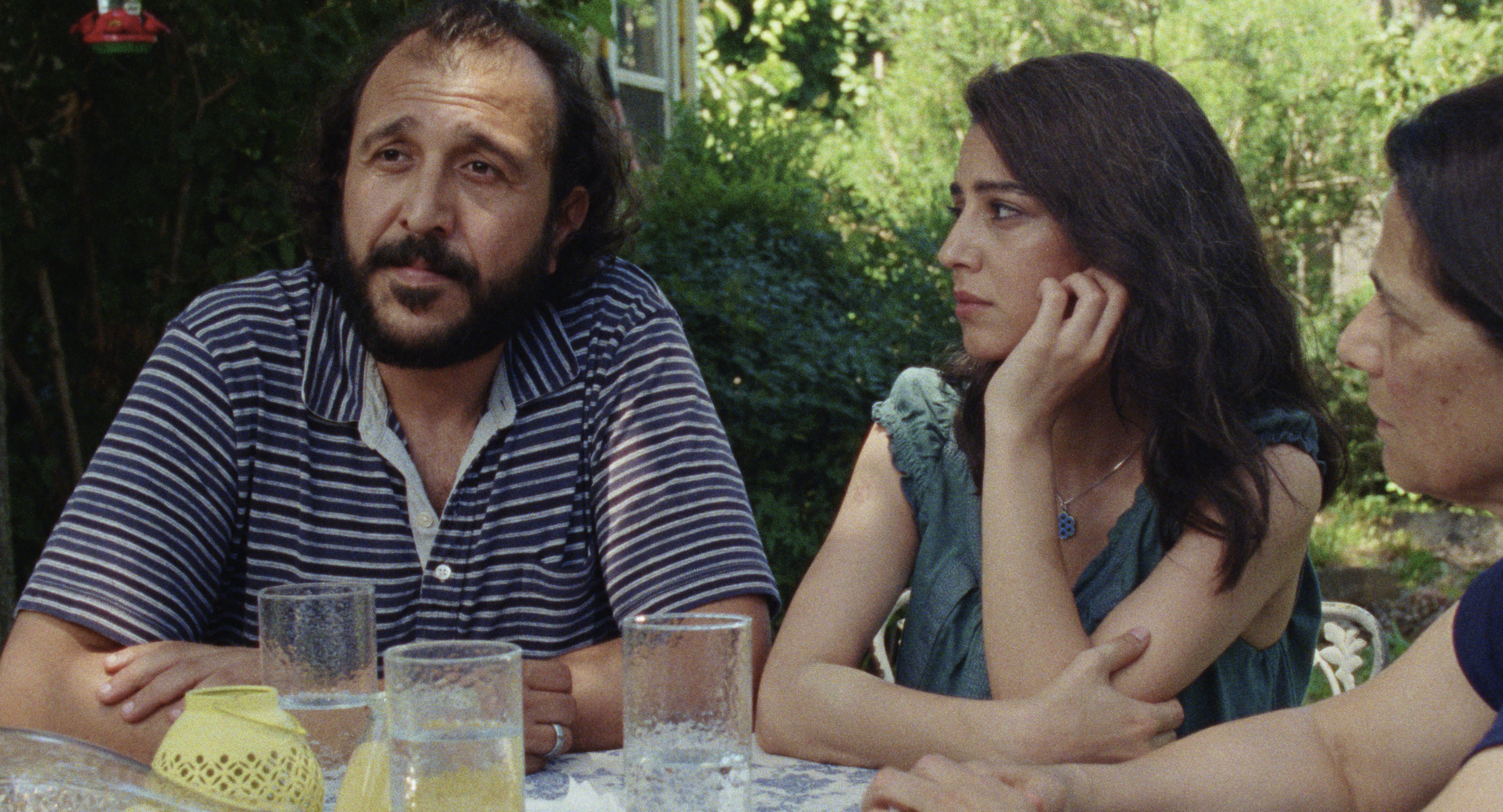
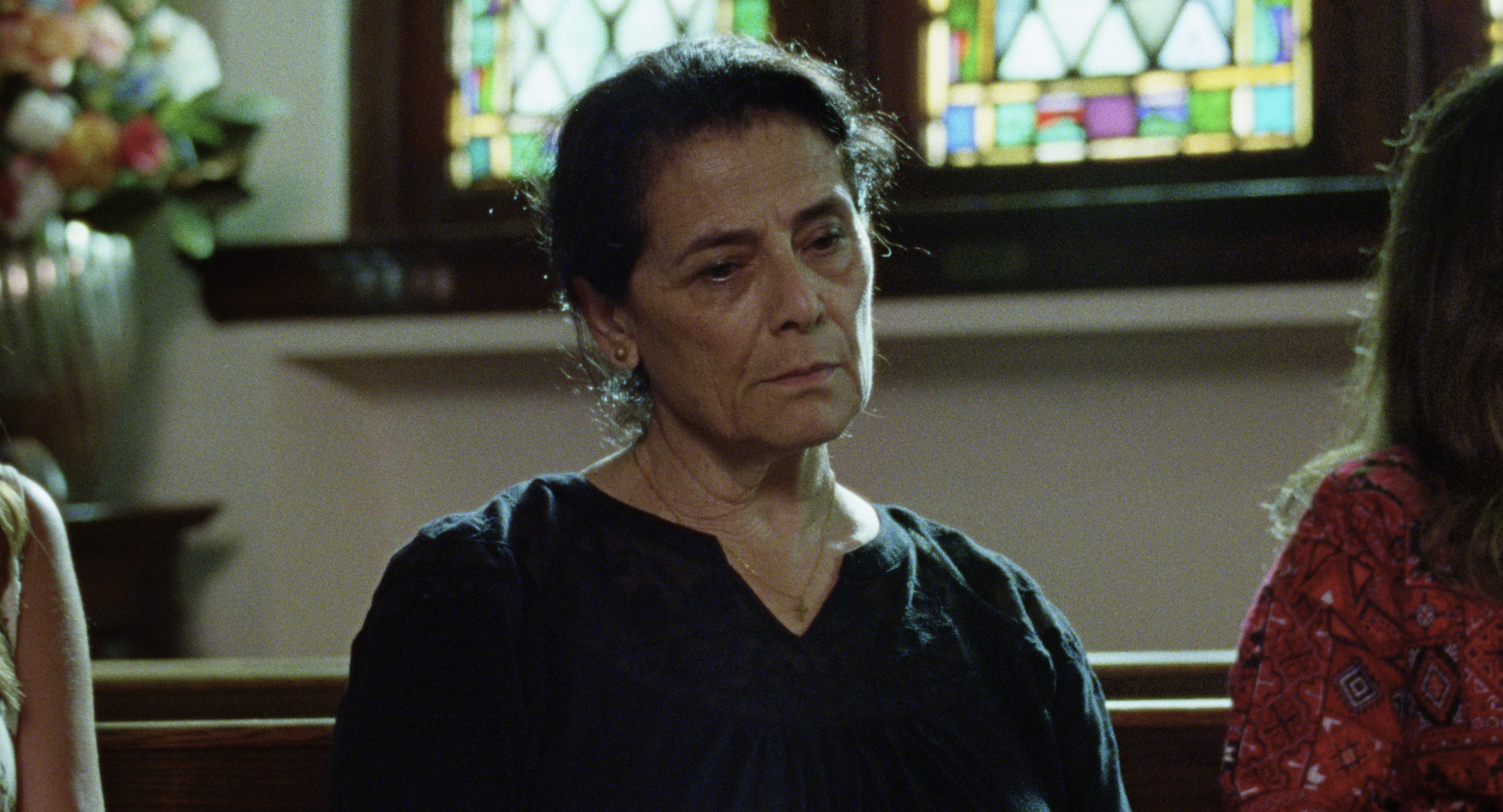
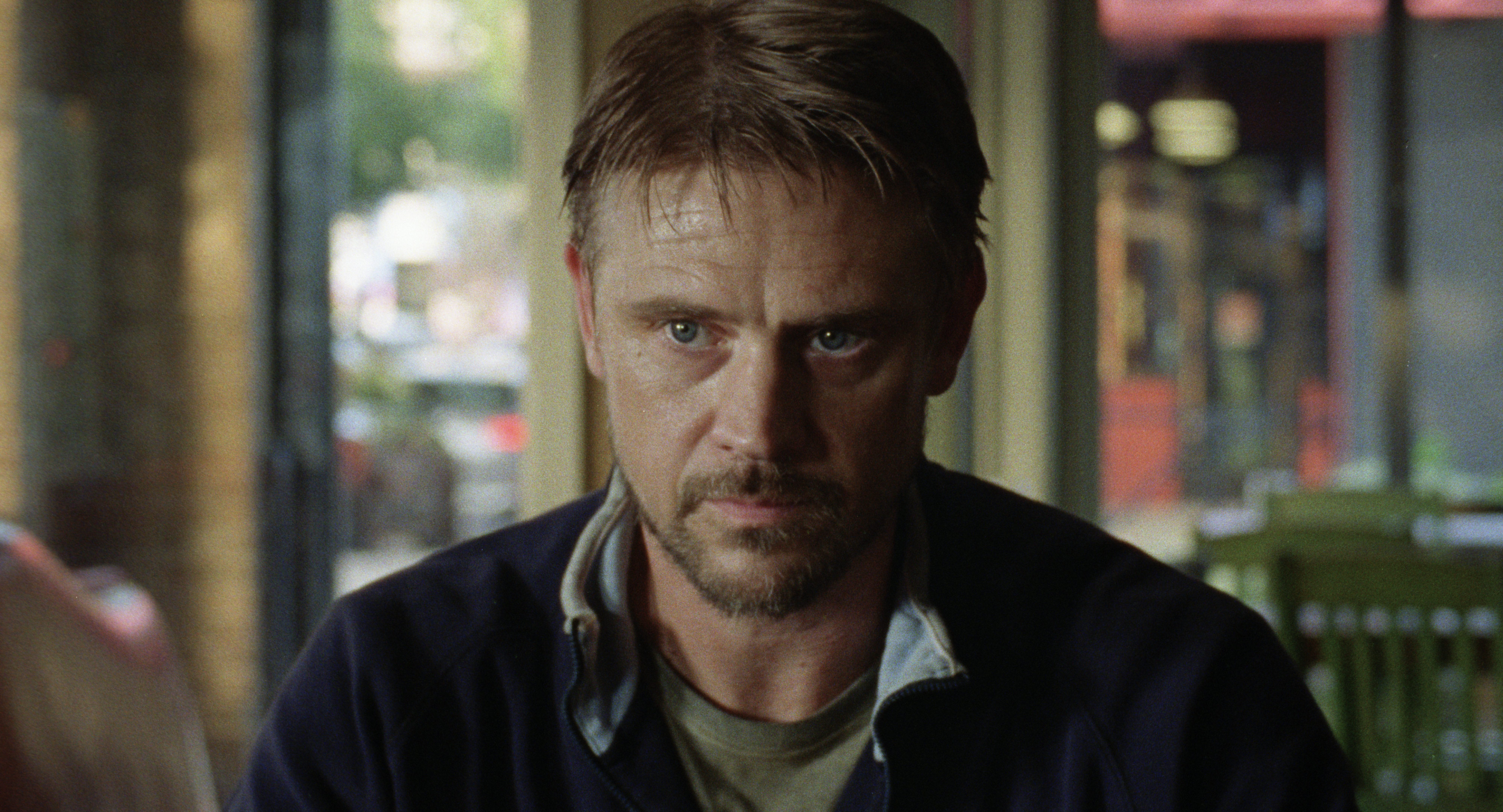
Lobello’s time with the Kachadoorians informs the climax of Atonement, written and directed by Reed Van Dyk and now in theaters. Their real names have been changed for the film: Filkins becomes Michael Reid (Kenneth Branagh), Margaret is Mariam Khachaturian (Hiam Abbass), and Lobello is Lou D’Alessandro (Boyd Holbrook).
“I cried through most of the article,” recalls Van Dyk, sitting down to discuss the film at a hotel in Toronto, where the film had its North American Premiere at the Toronto International Film Festival. He first read the New Yorker piece the year it was published. “I found it really touching to see and feel in a very detailed way the impact that this one incident in war had had on all of these characters’ lives, and I did remember thinking, ‘Boy, this would be a really beautiful film story.’”

At the time, however, Van Dyk was at the beginning of his career and in no position to make that film. Six years later, he won an Oscar for Best Live Action Short Film for DeKalb Elementary, inspired by a school-shooting incident in Atlanta. That brought attention his way, allowing his feature-film ambitions to begin to materialize. “After that,” says Van Dyk, “I immediately reached for my copy of that New Yorker issue, which I still have, and started trying to make this film.”
His first challenge was turning a 12-page article into a two-hour film. “You have this wonderful reportage to work with, and all of the texture and specificity that comes with that,” says Van Dyk. “Then there are all the rooms that Dexter wasn’t in. That’s where my job comes in. There were three people that the story is centered around, two of whom come to life in Dexter’s article. He’s not much of a character in his own piece, so I had to flesh out this character that Branagh plays.”
It’s a unique story that requires a unique take on a film about war. For one thing, there are hardly any actual scenes of war depicted on screen. Van Dyk’s film uses a single event from the Iraq War as an opportunity to explore the humanity in, and aftermath of, conflict. War movies often seek to enforce the lines of division, but Atonement is more interested in the unexpected ways in which people come together. Van Dyk was keen to explore the humanity in the story, not only from the American perspective, as we so often see in Hollywood films, but from the Iraqi one, too.
“I’m accustomed to seeing Iraqi characters in most Western films about war through sniper scopes. That wasn’t something I was interested in,” he says. Instead, the director wanted to centralize the voices and people that are typically marginalized in American films. “As a writer, I want to know my characters as deeply as I can, and I want to have love for them. The real pleasure of writing was getting to know this Iraqi family, who lived a very different life than I did, and I worked really hard behind the scenes to make that feel real.”

The real Lobello first reached out to Filkins in March 2012 on Facebook, saying that he had been trying to get in touch with him for a decade. “You could ease my PTSD,” he added. The two began communicating, and Filkins learned that Lu wanted him to help connect with the Kachadoorians so that he could atone and apologize for the tragedy that transpired that day.
Filkins had previously reported on the Kachadoorians in Iraq, but later lost touch with them. Thankfully, Lobello had already found them, via Facebook. He asked Filkins to facilitate the meeting, hoping he could bridge the gulf between them.
The Kachadoorians were not hesitant to meet Lobello. “If he is asking for forgiveness, then we will give him forgiveness. God ordered us to forgive. He forgives us, so we must forgive others. Even people who killed our dears,” Margaret said.
The meeting took place on a Saturday in July 2012. Lobello was deeply anxious going in, and immediately burst into tears upon meeting Margaret and Nora. Margaret comforted him with a pat on the back. The conversation that followed was tense. As Filkins describes it, the day ended with a sense that a true resolution would never be reached, though progress had been made. While forgiveness was granted, forgetting is impossible, and resentment lingers. There are no easy answers when it comes to grief and war. But something extraordinary did, in fact, happen in the room, just as Van Dyk recreates in Atonement.
Explains the filmmaker: “They begin to see themselves in each other.”
Several days after meeting, Lobello received a Facebook message from Nora. She said she felt happy when he came to visit, and that she felt she got “a third brother,” and “the third son to my mom.”

In order to capture the emotional depth and intensity of that encounter, Van Dyk conducted extensive research throughout his years writing Atonement. He spoke to as many people involved in the real events as he could, including Lobello and the Kachadoorian family. He spoke to countless marines and Iraqi civilians and traveled to Baghdad with his director of photography, Jon Peter. The visit challenged his perception of the country based on what he’d seen in cinema. “I found it rich with color and rich with spirit, when most films posit the country as something more apocalyptic,” he says. “It was important for us to highlight that richness when we were working on the design and how we were shooting.”
He drew further from books written by Iraqi authors, and marines who’d come back from war. Documentaries also played a key role. He credits the documentary Homeland: Iraq Year Zero by Abbas Fahdel as “the best document of the Iraq War, certainly from the civilian perspective. It became a reference point for all of us.” Restrepo was an important reference when it came to filming the war sequence, and Van Dyk notes that The Act of Killing influenced the way he thought about the psychological and spiritual effects of men who have killed, as well as the moral implications of that experience.
Van Dyk became close with the Kachadoorian family while making Atonement. He’s spent “too many hours to count” with them, and they regularly have dinner together. “Every visit is like a five-hour hang,” he says. It was during one of those visits that Van Dyk had a breakthrough moment that prompted him to revise the movie’s script. “In one of the conversations we had, Margaret said something about Lobello that ended up in the movie: ‘Sometimes I look at him and I see my son, and sometimes I look at him and I see the man who took my son.’ I thought it captured very poignantly the complexity of her experience on that day, and I think it was teaching me too that the film had to hold both visions she had of him.”
As Van Dyk puts it, Atonement “pushes back on the larger narrative we’re absorbing from the media about other countries.” The film’s ultimate aim, like so many great works of cinema, is to give the audience an opportunity to expand their empathy for people they might never encounter in their daily lives.
“It’s rare that there are opportunities to make amends,” says Van Dyk. “Thats what makes this story so different from other stories that unfold during a war. Everyone got to sit down together again. I think there’s something powerful about people willing to hold space with others who were on a completely different side of war, let alone forgive someone.”