Everyone's Still Talking About Climate Change, Actually

September 25, 2026:

Everyone's Still Talking About Climate Change, Actually

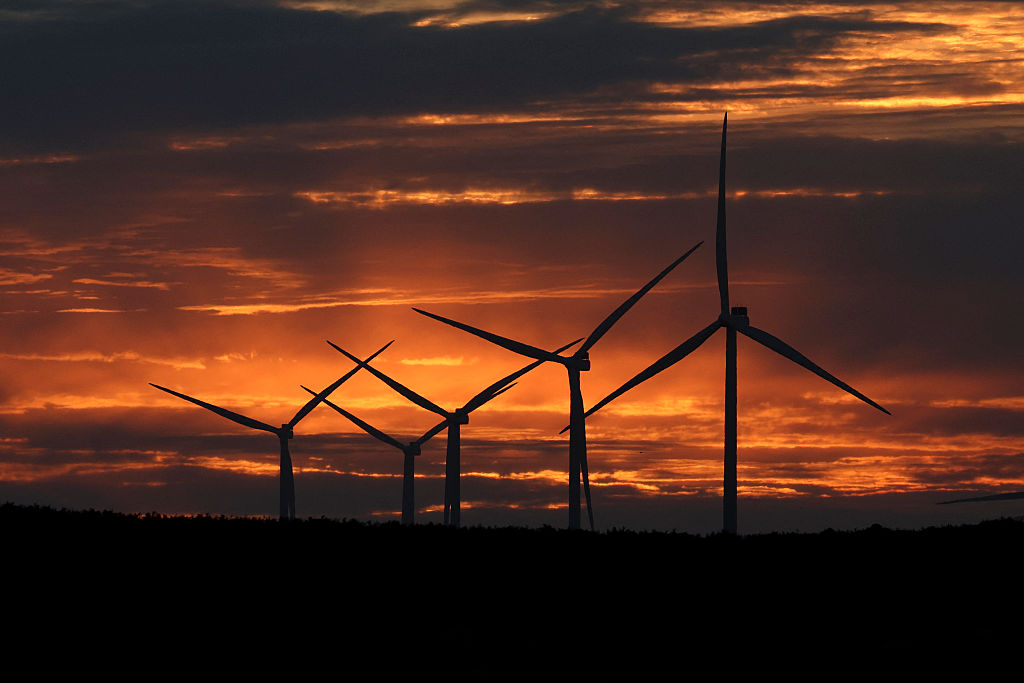
The sun sets behind wind turbines at the Yambuk Wind Farm near Port Fairy in the southern Australian state of Victoria on September 23. —Martin KEEP/AFP—Getty Images

For a brief moment last year, it seemed like the anti-climate atmosphere created by the Trump Administration might kill New York Climate Week. Ahead of the September gathering, business executives and advocates waffled. Was the U.S. still the place to get together to talk about climate? Would going put a target on their back?

This year, it felt almost as though those questions disappeared. Leaders from the world’s biggest companies hopped between panels, engaging in serious discussions about AI-driven electricity demand, geopolitical disruptions to energy markets, and the state of energy and climate policy. Protesters hit the street—as well as disrupting a panel I moderated—to point out that things were moving too slowly. Even Trump Administration officials showed up at some sessions (though they may have framed their participation around the concurrent United Nations General Assembly not Climate Week). 

Take a step back from the chaotic mix of roundtables and dinners, panels and meetings, and it’s clear that the climate agenda, broadly construed, has persisted. There’s no question that anticipated Democratic victories in the fast-approaching U.S. midterm elections have created a sense that much of the administration’s barking will remain just that. But there’s perhaps an even simpler explanation for the continued engagement: the implications of climate change and the related energy issues have only become more important for companies and the economy.   

The energy-market disruption that has resulted from the war in Iran featured prominently this week. So did the political backlash to data centers, the related issues of higher power prices. And the role of new energy technologies in addressing the problem came up early and often in discussions. On top of this, the effects of climate change—storms, heat waves, and fires—have begun to extract real economic damage that even the most resilient firms can no longer ignore.

“People are now looking at the things that cause volatility, and they’re putting it together,” Sarah Kapnick, head of climate advisory at JPMorgan, told me on a Climate Week panel. “They’re putting geopolitics together with sustainability, climate, and AI.”

Still, the apparent vitality of New York Climate Week comes with caveats. I shared my sense that New York Climate Week has rebounded with a European climate leader, who pointed out that American participation may be strong but the presence of leaders from outside the U.S. has diminished somewhat, particularly from Europe. Simply put, many Europeans don’t want to travel here, instead putting their efforts into London Climate Action Week and other gatherings across the Atlantic. 

The climate conversation has also survived in part by shedding some of its old vocabulary. Climate action, net zero, and emissions were mostly out. Energy security, competitiveness, and affordability were in. That may represent a retreat from the sweeping ambition of earlier Climate Weeks. But it also reflects a deeper reality: even when companies stop using the language of climate action, they cannot escape the problems rising emissions have created.

To most of those I discussed the topic with, it remains an open question whether that new framing is a good or bad thing. Emissions reduction paired with economic growth should be celebrated even if climate isn’t mentioned. At the same time, a conversation that avoids getting to the heart of the matter doesn’t feel all that sustainable. For the past several decades we’ve been holding a ticking time bomb, waiting for the effect of climate change to hit. Now, how society responds to the unfolding crisis—embracing adaptation, pushing back against the sources of emissions, or simply turning to populist backlash—may be the new climate time bomb. 

Source link