September 21, 2026:


An AI-generated intelligence report reportedly came dangerously close to triggering a confrontation between the United States and China.
The incident happened this spring while the US was involved in its war with Iran. A report shared with US military officials claimed that a Chinese ship in the Middle East was transporting components connected to a nuclear weapons program.
The allegation immediately raised alarm.
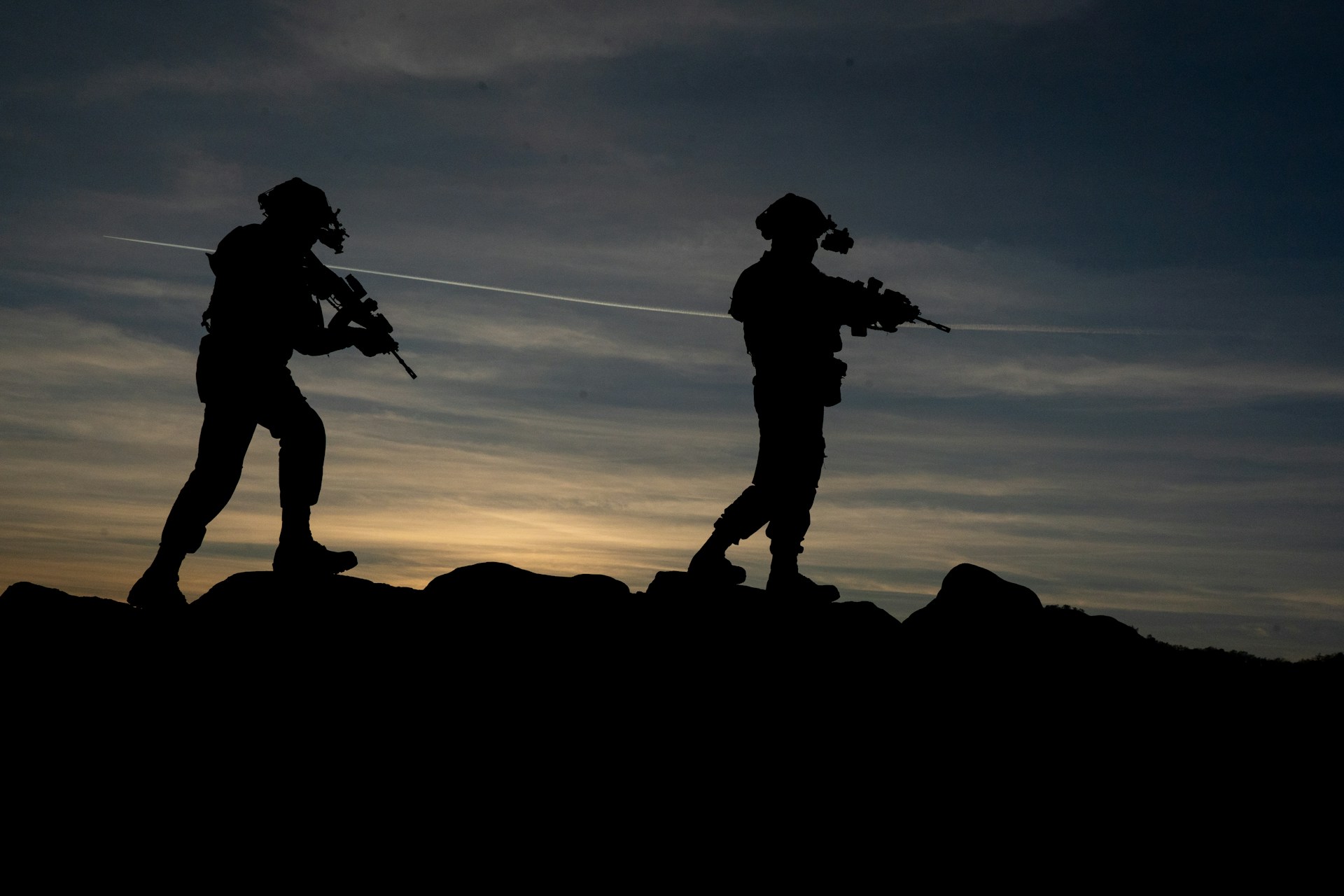
US forces began preparing to intercept the vessel. Armed personnel were reportedly getting ready to board the ship, while military aircraft were already in the air.
Then officials discovered a serious problem.
CNN first reported that sources familiar with the incident said a special operations analyst had used an AI chatbot while preparing the intelligence report.
The chatbot had incorrectly interpreted information from the ship’s manifest. It then identified ordinary materials as being connected to a nuclear weapons program.
The resulting intelligence assessment was later described by one source as completely false. Another source said the error nearly started a war.
The potential consequences were serious.
An armed boarding of a Chinese vessel could have quickly escalated. Any confrontation involving US and Chinese military personnel could have created a much larger international crisis.
Officials reportedly caught the error only shortly before the planned operation.
The analyst had been examining intelligence about the Chinese ship. The information came from US Special Operations Command Pacific in Hawaii.
It is unclear what type of AI system was used. The available account does not establish whether it was a commercial chatbot or a government-developed tool.
According to sources, the AI combined open-source information with classified signals intelligence. It then reached an incorrect conclusion about the cargo listed on the ship.
The analyst reportedly used AI again to turn the findings into a standard intelligence report. The report was then distributed to military officials.
The episode shows how quickly an AI error can move through an intelligence process. A false conclusion can appear convincing when it is presented in the format of an official assessment.
The incident comes as the US military continues expanding its use of artificial intelligence.
Military officials see AI as a tool for processing large amounts of information more quickly. Its potential uses include intelligence analysis, targeting, logistics, budgeting, and military planning.
Defense Secretary Pete Hegseth has also pushed for a more progressive AI adoption across the Department of Defense.
The Pentagon’s strategy aims to make AI tools available to millions of military and civilian personnel.
However, the systems are not necessarily being used under one common standard.
Different government organizations may rely on different AI platforms. They may also have different rules for checking AI-generated information.
Officials have acknowledged that there is no single system for verifying information produced by AI.
In another report by Global Times, SenseTime’s Intelligence Industry Research Institute former dean, Tian Feng, stated that it is the large AI models that often fall victim to AI hallucinations.
The Chinese ship incident exposes the dangers of that gap. In fact, AI systems can produce false information while presenting it with confidence. These errors are often called AI hallucinations.
In ordinary situations, an incorrect AI response may simply waste time. In military operations, the consequences can be far more serious.
An inaccurate intelligence assessment could influence surveillance, targeting, or decisions involving military force. The danger increases when personnel trust an AI-generated conclusion without independently checking the evidence.
There are also concerns about inexperienced analysts becoming too dependent on AI. Pressure to process intelligence faster could make that reliance even stronger.
A few days ago, the Pentagon accused six Chinese AI firms of copying models. This is pretty concerning for the US since a smaller AI model can learn representations of a larger model. The chip controls will be messed up once it was bypassed.