


Menopause occurs when the ovaries stop producing estrogen and progesterone, leading to the permanent end of menstrual periods. This drastic decline in sex hormones can cause vasomotor (hot flashes, mood swings, etc.) or sexual symptoms (dryness, pain) in menopausal women. Estrogen therapy is used to help relieve menopausal symptoms.
- Systemic estrogen therapy (menopausal hormone therapy (HT)) may be recommended for treatment of vasomotor symptoms, bone protection, and genitourinary symptoms.
- For women with only genitourinary symptoms, including sexual symptoms, local estrogen therapy (gels, creams, suppositories) may be recommended.
Who Benefits from Estrogen Therapy post menopause?
Estrogen therapy is for peri- and post- menopausal women with bothersome symptoms.
One group is those with genitourinary syndrome of menopause (GSM). GSM can cause vaginal dryness, urinary incontinence, and sexual pain (dyspareunia). Low-dose vaginal estrogen may be prescribed to women with GSM for relief.
Women with premature ovarian insufficiency (POI) benefit from HT, not only to treat symptoms but more importantly to help prevent the long-term health consequences associated with POI. POI is when the ovaries don’t work normally or slow down before the age of 40.
Women who have had their ovaries removed may also benefit from HT. Women without ovaries enter menopause immediately, leading to these symptoms at any age.
What Types of Estrogen Therapy Are Out There?
Estrogen therapy is prescribed based on symptoms, preferences, and medical history.
Estrogen-only therapy is very effective, but only for women who do not have a uterus. Women with their uterus intact require a progestogen to protect against endometrial cancer.
An estrogen and progestogen combination is recommended for those who have a uterus. The progestogen protects the uterine lining from over-growing or making cancer cells.
An estrogen and selective estrogen receptor modulator (SERM) combination provides relief for vasomotor symptoms and can be helpful if women experience breast pain from HT or significant bleeding. Evolving literature demonstrates it may also be appropriate for women with a high risk of breast cancer since the SERM blocks estrogen’s effect on breast or uterine cancer.
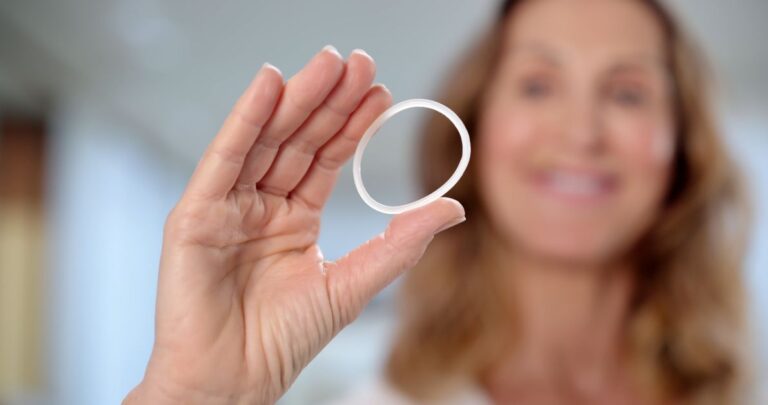
Local estrogen therapy may be given to those with GSM-related sexual dysfunction. Vaginal creams, tablets, capsules, and rings improve blood flow and lubrication, reducing pain and dryness.
Key Takeaways
- Estrogen therapy can help women who experience menopausal symptoms.
- Vasomotor symptoms like hot flashes, as well as sexual dysfunction caused by vaginal dryness leading to pain with sex.
- There are many options for systemic menopausal hormone therapy depending on a patient’s specific needs.
- This includes pills, vaginal gels or creams, and transdermal patches like birth control (and more).
- If menopause symptoms are bothersome, talk to your clinician about treatment options that are safe for you.
Resources
Edelweishia, M., Christoper, A., Theresia, E., & Angelia, V. (2025). Review of hormonal replacement therapy options for the treatments of menopausal symptoms. Korean Journal of Family Medicine, 46(5), 299–306. https://doi.org/10.4082/kjfm.25.0039
Harper-Harrison G, Carlson K, Shanahan MM. Hormone Replacement Therapy. [Updated 2024 Oct 6]. In: StatPearls [Internet]. Treasure Island (FL): StatPearls Publishing; 2026 Jan-. Available from: https://www.ncbi.nlm.nih.gov/books/NBK493191/
Kaufman, M. R., Ackerman, A. L., Amin, K. A., Coffey, M., Danan, E., Faubion, S. S., Hardart, A., Goldstein, I., Ippolito, G. M., Northington, G. M., Powell, C. R., Rubin, R. S., Westney, O. L., Wilson, T. S., & Lee, U. J. (2025). The AUA/sufu/AUGS guideline on genitourinary syndrome of menopause. Journal of Urology, 214(3), 242–250. https://doi.org/10.1097/ju.0000000000004589
Meziou, N., Scholfield, C., Taylor, C. A., & Armstrong, H. L. (2023). Hormone therapy for sexual function in perimenopausal and Postmenopausal Women: A systematic review and meta-analysis update. Menopause, 30(6), 659–671. https://doi.org/10.1097/gme.0000000000002185
Scavello, I., Maseroli, E., Di Stasi, V., & Vignozzi, L. (2019). Sexual health in menopause. Medicina, 55(9), 559. https://doi.org/10.3390/medicina55090559