Energy Independence is Becoming Solar's Strongest Selling Point

June 17, 2026:

Energy Independence is Becoming Solar's Strongest Selling Point

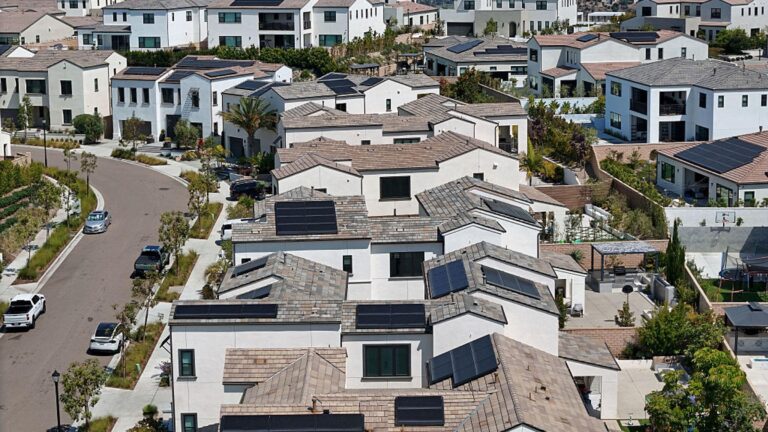
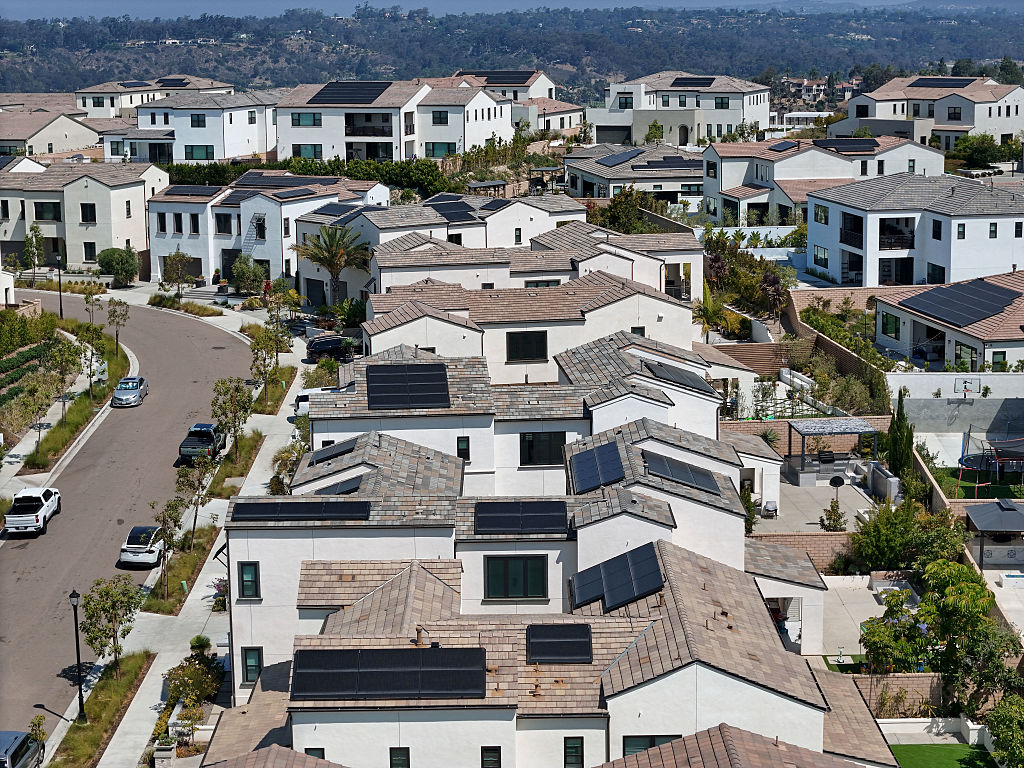
Solar panels are attached roofs on homes in the Carmel Valley area on Aug. 7, 2025 in San Diego, CA. —K.C. Alfred / The San Diego Union-Tribune—Getty Images

Americans are seeking out solar, batteries, and electric vehicles at a pace unlike anything the clean energy movement has seen in fifty years. In the 23 days after the Iran war began and the Strait of Hormuz closed, requests for home solar systems paired with battery storage jumped 21%. Used EV sales reversed course sharply, rising 17% in a single quarter after hitting their lowest point since 2022.  

This moment demands attention. Across the U.S. and globally, interest in clean energy is accelerating faster than at any point in history, and not necessarily because of anything the clean energy movement achieved on its own. Understanding why is critical. 

I watched two previous attempts to move the U.S. toward adopting clean energy fall short. In hindsight, both were predictable. The first era, roughly 1970 to 2005, was driven by values: a belief that protecting the environment was simply the right thing to do. Twenty million people turned out for the first Earth Day in 1970. Congress passed the Energy Tax Act in 1978. The environmental conviction was real, and it moved a committed minority. By 2010, after four decades of moral-based advocacy, solar still represented less than 0.1% of U.S. electricity generation.

The second era was driven by economics. The challenge was no longer about inspiring moral conviction but making clean energy adoption cheap enough for the market to embrace it. The investment tax credit, introduced in 2006, was one of the most significant drivers of solar power growth, helping the solar industry grow by more than 10,000% over the following decade and a half. The Inflation Reduction Act, enacted in 2022, drove record solar deployment: by 2024, solar accounted for more than 80% of all new electric generating capacity added to the grid. Going solar requires real upfront investment—more so now that the federal residential tax credit expired at the end of 2025. But over a system’s lifetime, today, solar generates electricity at costs comparable to or less than what utilities charge in most parts of the country.

Now, we are entering a third era, one defined not by values or economics, but by a drive for control. Psychologists have long documented that when people feel external forces are governing their lives, they seek out whatever domains they can control. Energy has now become one of those domains. Gas prices set by an unpredictable war. Blackouts from an aging grid. Energy bills that keep climbing. Rooftop solar, a home battery, an electric vehicle offer something the grid, the gas station, and the utility bill cannot: certainty. They are no longer just products. They are acts of self-determination. These solutions meet people where they already are—anxious, exhausted, and done feeling exposed—and offer them what they have been missing: stability.

The data confirms the shift is already underway. Even before the war began, nearly 78% of U.S. homeowners expressed concern about power grid reliability. Sixty-four percent say recurring blackouts would make them more likely to go solar within five years. Since the war began, nearly half say they are extremely or very concerned about affording fuel in the coming months. The conversation has shifted from “how much will I save?” to “how do I protect my family from the next crisis?”—whether that crisis arrives as a blackout, a gas price spike, or an economic shock. Americans want control. A growing number want to generate their own power, store it, and insulate themselves from volatile energy prices and an unreliable grid. And solar delivers exactly that.   

To be sure, the uncertainty driving demand for renewables is also making them more expensive to build. Supply chain pressures and tariffs on imported solar equipment are real headwinds. The expiration of federal tax credits for residential solar has raised upfront costs, although financing arrangements (like power purchase agreements) that require no money down have kept solar within reach for many homeowners. The long-term economics still hold: once panels are up, the energy is free. Every dollar invested in clean energy infrastructure today is a hedge against tomorrow’s uncertainty.

For 50 years, the clean energy movement tried to change how Americans think about power. In the end, it may be global turbulence that ultimately moves what decades of advocacy could not. While the motivation may seem misaligned with the original mission, the outcome is what matters. 

Source link